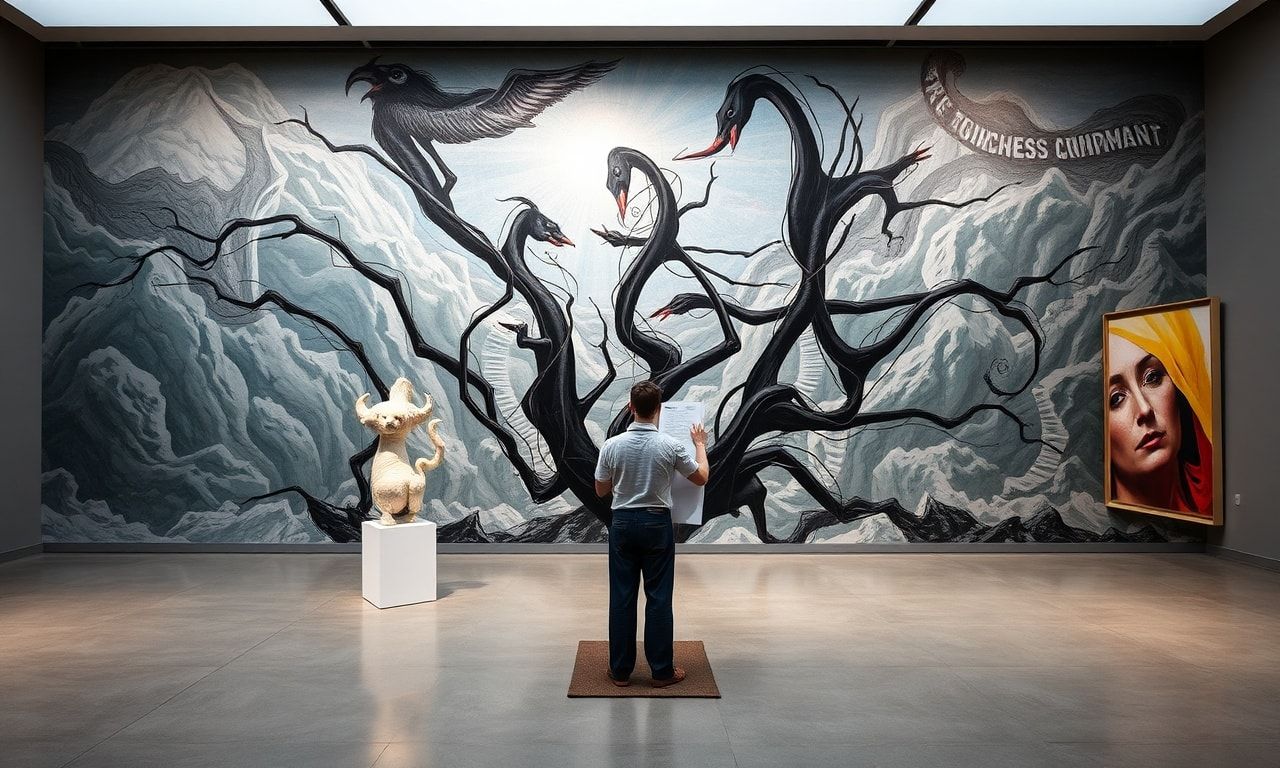
The Timeless Dance of Art and Culture
Art and culture have always been intertwined, each influencing and shaping the other in a continuous, dynamic dance. From the ancient cave paintings of Lascaux to the contemporary installations of the 21st century, art has been a mirror reflecting the cultural ethos of its time. This symbiotic relationship is not just a historical phenomenon but a living, breathing entity that evolves with each stroke of the artist’s brush, each note of the musician’s melody, and each word of the poet’s verse.
In today’s interconnected world, the boundaries between cultures are blurring, and art is at the forefront of this transformation. Artists are drawing inspiration from diverse cultural backgrounds, creating a rich tapestry of global art that transcends geographical and linguistic barriers. This fusion of cultures is not only enriching the artistic landscape but also fostering a deeper understanding and appreciation of our shared humanity.
The Role of Art in Cultural Preservation
Art plays a pivotal role in preserving cultural heritage. Traditional art forms, such as pottery, weaving, and folk art, are not just aesthetic expressions but also repositories of cultural knowledge and history. They embody the values, beliefs, and traditions of a community, passing them down from one generation to the next. In this way, art becomes a vital tool for cultural preservation, ensuring that the stories and wisdom of the past are not lost to time.
Moreover, art serves as a means of cultural resistance and resilience. In times of political upheaval or social change, artists often use their work to challenge the status quo and advocate for cultural identity. For instance, during periods of colonization, indigenous artists have used their art to assert their cultural autonomy and resist assimilation. This powerful role of art in cultural preservation and resistance underscores its significance in shaping and sustaining cultural identities.
Art as a Catalyst for Cultural Exchange
Art has the unique ability to bridge cultural divides and foster mutual understanding. Through exhibitions, festivals, and collaborative projects, artists from different cultural backgrounds come together to share their perspectives and experiences. These exchanges not only enrich the artistic dialogue but also promote intercultural understanding and cooperation. For example, the Venice Biennale, one of the most prestigious international art exhibitions, brings together artists from around the world, creating a platform for cultural exchange and dialogue.
In the digital age, the reach of art has expanded exponentially. Social media platforms and online galleries have made it easier than ever for artists to share their work with a global audience. This democratization of art has led to a proliferation of diverse artistic voices, each contributing to the rich tapestry of global art. Additionally, online platforms like son dakika haberleri güncel provide artists with up-to-date information on cultural events and trends, further facilitating cultural exchange and collaboration.
The Impact of Globalization on Art
Globalization has had a profound impact on the art world, transforming the way art is created, consumed, and valued. The increased mobility of artists and the ease of access to diverse cultural influences have led to a more eclectic and hybrid form of art. This globalized art landscape is characterized by a blending of styles, techniques, and themes, reflecting the interconnected nature of our world.
However, globalization also presents challenges for the art world. The dominance of Western art markets and the commercialization of art can sometimes overshadow the unique cultural expressions of smaller communities. It is crucial to strike a balance between global influence and local authenticity, ensuring that the rich diversity of cultural art forms is preserved and celebrated. Initiatives such as the UNESCO Intangible Cultural Heritage list play a vital role in safeguarding these unique cultural expressions.
The Future of Art and Culture
The future of art and culture lies in embracing diversity and fostering inclusivity. As the world becomes more interconnected, artists have the opportunity to draw inspiration from a wide range of cultural influences, creating art that is both globally relevant and locally rooted. This duality is the essence of contemporary art, reflecting the complex and multifaceted nature of our world.
Furthermore, the role of technology in shaping the future of art cannot be overlooked. Virtual reality, augmented reality, and artificial intelligence are opening up new possibilities for artistic expression and cultural exchange. These technological advancements are not only enhancing the way we experience art but also democratizing access to it, making it more inclusive and accessible to a global audience.
In conclusion, the intersection of art and culture is a dynamic and evolving landscape. As artists continue to explore and experiment with new forms of expression, they contribute to a richer, more diverse cultural tapestry. By embracing this diversity and fostering intercultural dialogue, we can create a more inclusive and harmonious world, where art serves as a bridge between cultures and a catalyst for positive change.
If you’re curious about how creativity thrives in the digital age, explore artists embracing remote work and the unique fusion of culture and design that emerges.
As creativity continues to evolve, delve into how art and tech merge in our latest feature, exploring the dynamic fusion of visual arts and innovation.