The Fusion of Art and Urban Life
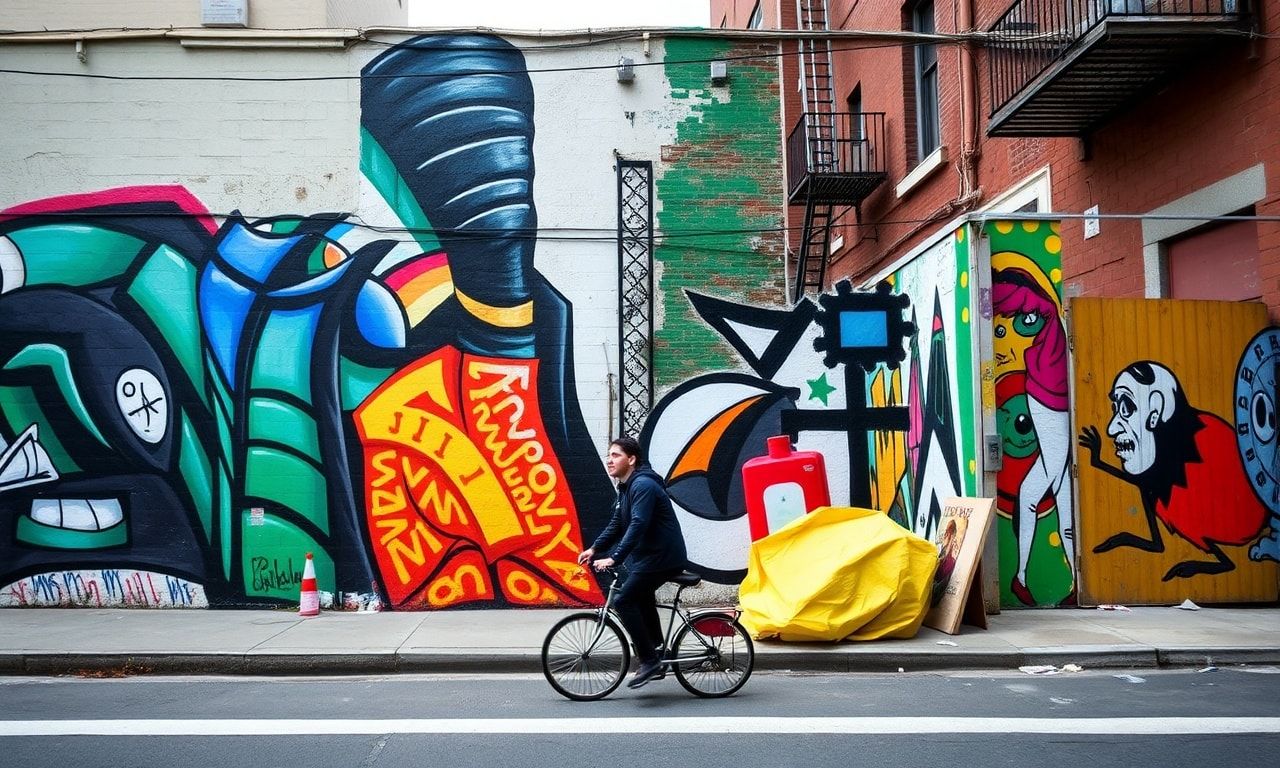
Art is not confined to galleries and museums; it breathes life into our cities, transforming urban landscapes into vibrant canvases. The intersection of art and urban living is a dynamic space where creativity meets daily life, enriching our environments and inspiring communities. From street art to public installations, urban art is a powerful medium that reflects the cultural pulse of a city. It’s a testament to the creative spirit that thrives in bustling metropolises, turning concrete jungles into open-air galleries.
The Role of Public Art in Urban Spaces
Public art plays a pivotal role in shaping the identity of urban areas. It serves as a mirror to the community’s values, history, and aspirations. Murals, sculptures, and installations not only beautify public spaces but also foster a sense of belonging and pride among residents. These artistic expressions often become landmarks, attracting tourists and locals alike, and contributing to the cultural and economic vitality of the city. Moreover, public art initiatives can revitalize neglected areas, turning them into hubs of creativity and social interaction.
Artistic Communities and Creative Hubs
Urban centers are often home to thriving artistic communities that nurture creativity and innovation. These communities provide artists with spaces to collaborate, exhibit their work, and engage with the public. Creative hubs, such as art studios, co-working spaces, and cultural centers, serve as incubators for new ideas and artistic movements. They offer workshops, residencies, and events that bring together artists, designers, and enthusiasts, fostering a culture of artistic exchange and growth. These hubs are essential in sustaining the artistic ecosystem and ensuring that the creative spirit continues to flourish in urban environments.
The Impact of Art on Quality of Life
Art has a profound impact on the quality of life in urban areas. It enhances the aesthetic appeal of cities, making them more enjoyable and inviting. Artistic expressions can also promote mental well-being, providing a sense of comfort and inspiration to residents. Studies have shown that exposure to art can reduce stress, boost creativity, and improve overall happiness. Furthermore, art can facilitate social cohesion, bringing people together and fostering a sense of community. In cities like Istanbul, where art and culture are deeply ingrained in the fabric of society, residents benefit from a rich tapestry of artistic experiences that enrich their daily lives.
For instance, in neighborhoods like Bakırköy, the integration of art into urban planning has created a vibrant and dynamic environment. Residents can enjoy a wide range of cultural activities, from art exhibitions to live performances. Additionally, the area offers excellent recreational facilities, such as bakırköy’de en iyi spor imkânları, which complement the artistic offerings and contribute to a well-rounded lifestyle. This holistic approach to urban living underscores the importance of integrating art into the fabric of city life.
Art and Urban Development
Art is increasingly recognized as a catalyst for urban development. Cities around the world are leveraging art to attract investment, boost tourism, and create jobs. Public art projects, in particular, can transform urban landscapes, making them more attractive to residents and visitors. These initiatives often involve collaboration between artists, urban planners, and community members, ensuring that the resulting artworks are relevant and meaningful to the local context. By integrating art into urban development plans, cities can create spaces that are not only functional but also aesthetically pleasing and culturally significant.
Challenges and Opportunities
The intersection of art and urban living presents both challenges and opportunities. One of the main challenges is balancing the needs of artists with the demands of urban development. Artists often face issues such as rising rent prices, limited exhibition spaces, and lack of funding. However, these challenges also present opportunities for innovation and collaboration. Cities can support artists by providing affordable studios, grants, and public art commissions. Additionally, technology offers new avenues for artists to showcase their work, reach wider audiences, and engage with communities. By embracing these opportunities, cities can foster a thriving artistic ecosystem that benefits both artists and residents.
In conclusion, the intersection of art and urban living is a dynamic and evolving space that enriches our cities and enhances our quality of life. By integrating art into urban planning, supporting artistic communities, and leveraging technology, cities can create vibrant, inclusive, and culturally significant spaces. The fusion of art and urban life is not only aesthetically pleasing but also socially and economically beneficial, making our cities more livable and inspiring for all.
Delve into the evolving landscape of creative professions with our latest feature, artists embracing remote work, and discover how technology is reshaping the way we create and collaborate.