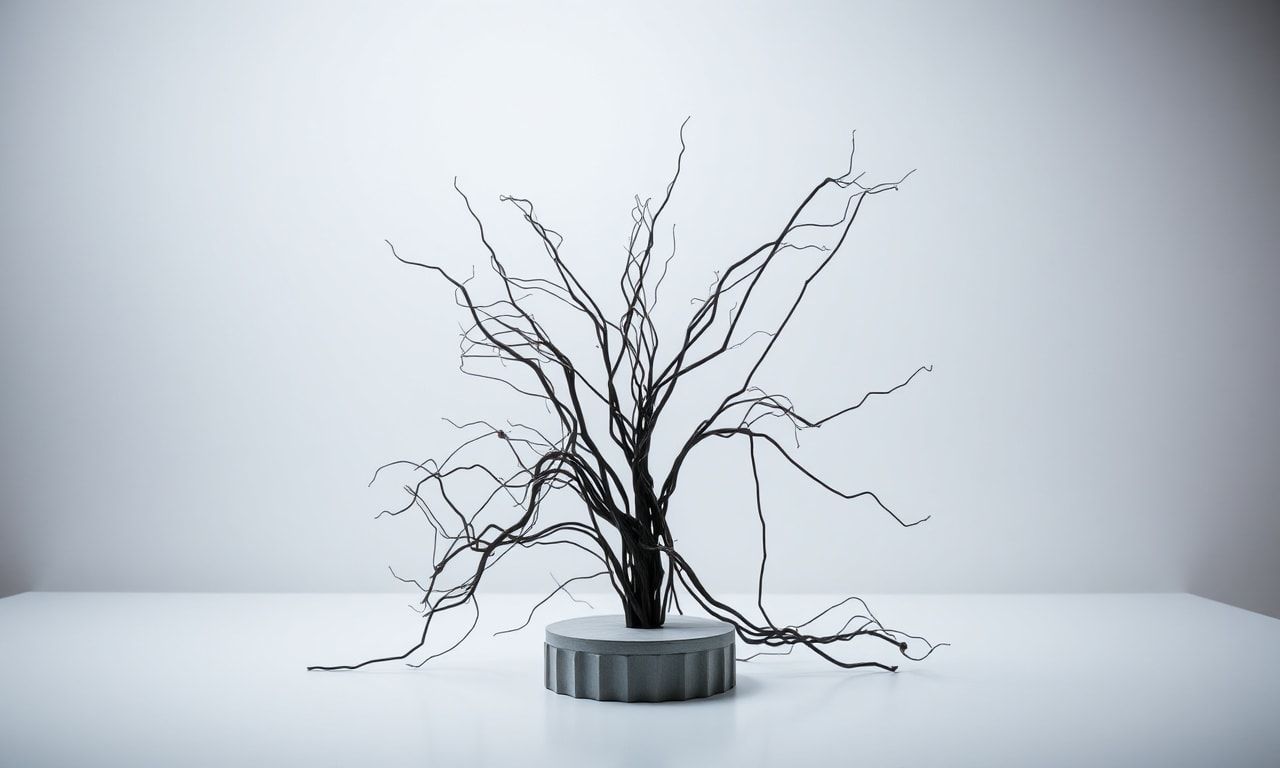
The Digital Canvas
The world of art is undergoing a profound transformation, driven by the rapid advancement of technology. Digital tools and platforms have opened up new avenues for artists to explore, creating a dynamic intersection where traditional artistry meets cutting-edge innovation. This shift is not just about the tools artists use but also about the way art is created, shared, and experienced. The digital canvas has become a boundless space where creativity knows no limits.
The Role of Technology in Art
Technology has revolutionized the art world in numerous ways. From digital painting software to 3D modeling and virtual reality, artists now have access to a wide range of tools that enhance their creative processes. These technologies allow for greater precision, experimentation, and collaboration, enabling artists to push the boundaries of what is possible. Moreover, the internet has democratized art, making it accessible to a global audience and providing artists with new opportunities to showcase their work.
Digital Painting and Design
Digital painting and design have become integral parts of contemporary art. Software like Adobe Photoshop, Procreate, and Corel Painter offer artists the ability to create intricate and detailed works of art using digital brushes and tools. These programs mimic traditional media, such as oil paints and watercolors, while also offering unique digital effects and capabilities. The rise of digital art has also led to the emergence of new art forms, such as digital illustration and graphic design, which are in high demand in various industries.
3D Modeling and Printing
3D modeling and printing have opened up new possibilities for artists working in sculpture and design. Artists can now create three-dimensional models using software like Blender, Maya, and ZBrush, and bring their creations to life using 3D printers. This technology has revolutionized fields such as architecture, product design, and even fashion, allowing artists to create intricate and complex designs that would be difficult or impossible to achieve using traditional methods. The ability to prototype and iterate quickly has also made 3D modeling an invaluable tool for artists and designers.
The Impact of Social Media
Social media platforms have played a significant role in shaping the art world. Platforms like Instagram, Pinterest, and Behance provide artists with a global stage to showcase their work, connect with other artists, and build a following. These platforms have also given rise to new forms of art, such as digital collage and meme art, which thrive in the fast-paced, visually-driven environment of social media. Additionally, social media has made it easier for artists to monetize their work through commissions, prints, and merchandise, providing new avenues for income and career progression.
For those looking to build a career in the art world, understanding the impact of social media and technology is crucial. A freelance career progression guide can offer valuable insights into how to leverage these tools effectively, helping artists navigate the complexities of the digital landscape and build a successful career in the art industry.
The Future of Art
The future of art is bright and full of possibilities. As technology continues to evolve, artists will have access to even more powerful tools and platforms that will enable them to create groundbreaking works of art. Virtual reality, augmented reality, and artificial intelligence are just a few of the technologies that are poised to transform the art world in the coming years. These technologies have the potential to create immersive and interactive experiences that blur the line between the physical and digital worlds, offering new ways for artists to engage with their audience.
Virtual and Augmented Reality
Virtual reality (VR) and augmented reality (AR) are emerging as powerful tools for artists. VR allows artists to create immersive environments that transport viewers to new worlds, while AR enhances the real world with digital elements, creating a seamless blend of the physical and digital. These technologies are being used in various fields, from gaming and entertainment to education and healthcare, offering artists new opportunities to explore and experiment. As VR and AR become more accessible, we can expect to see a rise in interactive and immersive art experiences that captivate and engage audiences in new ways.
Artificial Intelligence
Artificial intelligence (AI) is another technology that is transforming the art world. AI algorithms can analyze vast amounts of data to generate new artworks, create music, and even write poetry. While some may view AI as a threat to traditional art forms, it also presents new opportunities for collaboration and innovation. Artists can use AI as a tool to enhance their creative processes, explore new ideas, and push the boundaries of what is possible. The intersection of AI and art is still in its early stages, but it holds immense potential for the future of creativity.
Conclusion
The intersection of art and technology is a fascinating and rapidly evolving field. As artists continue to embrace new tools and platforms, we can expect to see a wealth of innovative and groundbreaking works of art. The digital canvas offers endless possibilities for creativity, and the future of art is bright with the promise of new technologies and experiences. Whether you are an artist, a designer, or simply an art enthusiast, staying informed about the latest trends and technologies is essential for navigating this exciting and dynamic landscape.
Delve into the vibrant world of dreams and colors with our latest feature, art and creativity’s hidden hues, where we explore the intersection of visual arts and the subconscious mind.
As creatives, understanding our financial landscape can be as vital as our artistic vision; discover how with managing personal finances effectively.
If you’re an artist looking to grow your wealth, dive into our guide on artistic investment strategies that blend creativity with financial savvy.