The Fusion of Art and Interior Design
The worlds of art and interior design have long been intertwined, each influencing and enriching the other. Art brings creativity, emotion, and a personal touch to a space, while interior design focuses on functionality, aesthetics, and the overall harmony of an environment. Together, they create spaces that are not only visually appealing but also emotionally resonant.
The Role of Art in Interior Design
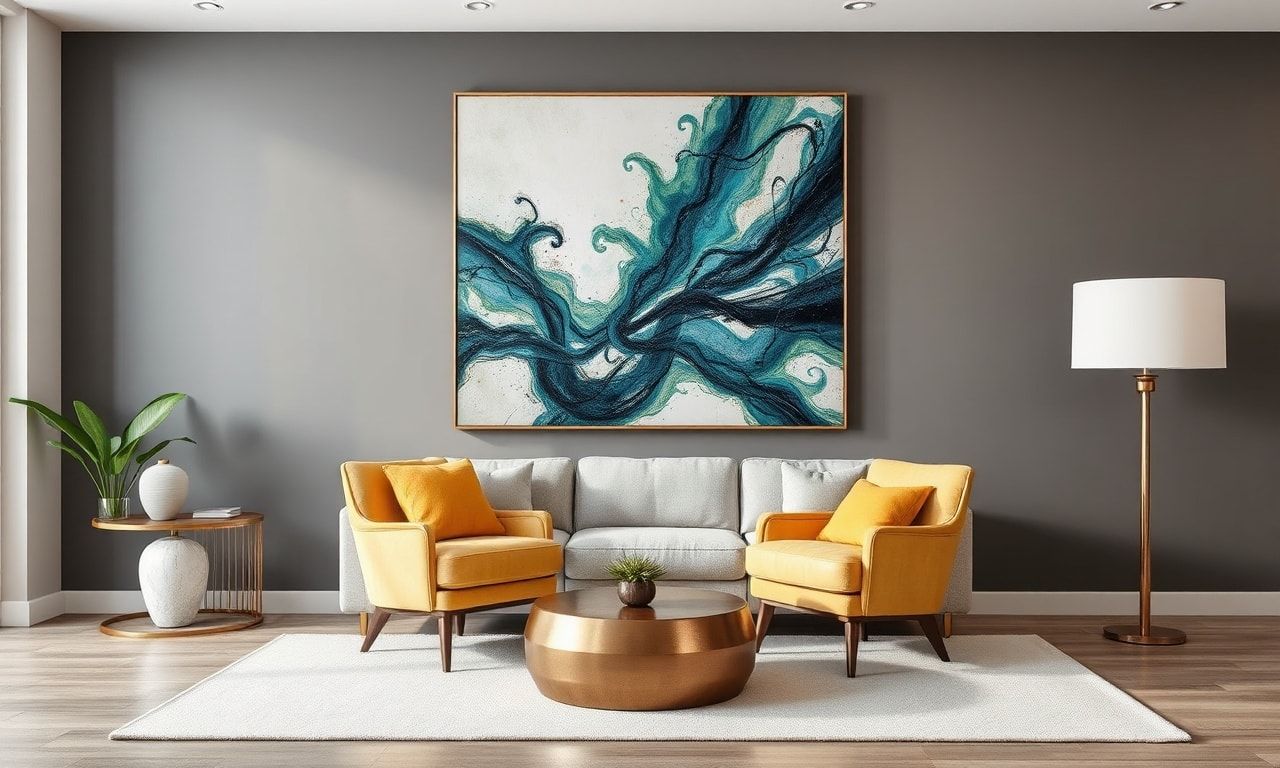
Art serves as a focal point in interior design, drawing the eye and setting the tone for a room. Whether it’s a bold painting, a delicate sculpture, or a vibrant piece of textile art, each piece contributes to the overall narrative of the space. Art can also be used to tie together different elements of a room, creating a cohesive and harmonious look. For instance, the colors in a painting can be echoed in the furniture, textiles, and decor, tying the room together in a visually pleasing way.
Moreover, art can be used to create a sense of depth and dimension in a room. A large piece of art can make a small room feel more spacious, while a series of smaller pieces can add interest and variety. Art can also be used to create a sense of movement and rhythm in a room, guiding the eye from one piece to another and creating a dynamic and engaging space.
Choosing the Right Art for Your Space
When selecting art for your space, it’s important to consider the style, color scheme, and overall aesthetic of the room. The art should complement the existing decor and furniture, rather than competing with it. It’s also important to consider the scale of the art in relation to the room. A large piece of art can make a bold statement in a large room, while a smaller piece can add a subtle touch of elegance to a smaller space.
Another important factor to consider is the emotional impact of the art. Art has the power to evoke a wide range of emotions, from joy and happiness to sadness and contemplation. When selecting art for your space, consider the mood you want to create. For example, if you want to create a calming and serene atmosphere, you might choose art with soft, muted colors and gentle, flowing forms. On the other hand, if you want to create a vibrant and energetic atmosphere, you might choose art with bold, bright colors and dynamic, energetic forms.
The Impact of Interior Design on Art
Interior design can also have a significant impact on the way art is perceived. The placement of art in a room, the lighting, and the surrounding decor can all influence the way a piece of art is viewed. For example, a piece of art placed in a well-lit area will appear more vibrant and dynamic, while a piece of art placed in a dimly lit area will appear more subdued and mysterious.
The surrounding decor can also influence the way a piece of art is perceived. For instance, a piece of art placed against a neutral-colored wall will appear more vibrant and eye-catching, while a piece of art placed against a brightly colored wall may blend in and become less noticeable. The placement of art in relation to other pieces of decor can also influence the way it is perceived. For example, a piece of art placed above a piece of furniture will appear more prominent and important, while a piece of art placed on a shelf or table will appear more casual and relaxed.
Creating a Cohesive Look
To create a cohesive look, it’s important to consider the overall aesthetic of the room and the way different pieces of art and decor interact with each other. One way to achieve this is by using a consistent color scheme throughout the room. This can be achieved by selecting art and decor in similar colors or by using a consistent color palette in the furniture, textiles, and decor.
Another way to create a cohesive look is by using a consistent style or theme throughout the room. For example, if you’re creating a modern, minimalist space, you might choose art and decor with clean, simple lines and a neutral color palette. On the other hand, if you’re creating a traditional, elegant space, you might choose art and decor with ornate, detailed forms and a rich, luxurious color palette.
The Importance of Lighting
Lighting plays a crucial role in both art and interior design. The right lighting can enhance the colors, textures, and forms of a piece of art, making it appear more vibrant and dynamic. It can also create a sense of depth and dimension in a room, highlighting certain areas and creating a sense of drama and intrigue.
When selecting lighting for your space, consider the type of art you have and the mood you want to create. For example, if you have a piece of art with bold, bright colors, you might choose lighting that enhances these colors and makes them appear more vibrant. On the other hand, if you have a piece of art with soft, muted colors, you might choose lighting that creates a more subdued and calming atmosphere.
It’s also important to consider the placement of lighting in relation to the art. For example, a piece of art placed in a well-lit area will appear more vibrant and dynamic, while a piece of art placed in a dimly lit area will appear more subdued and mysterious. The type of lighting you choose can also influence the way a piece of art is perceived. For example, a piece of art placed under a spotlight will appear more prominent and important, while a piece of art placed under a soft, diffused light will appear more casual and relaxed.
Bringing It All Together
Creating a harmonious space that combines art and interior design requires careful consideration of the style, color scheme, and overall aesthetic of the room. It’s important to choose art and decor that complement each other and create a cohesive look. It’s also important to consider the placement of art and decor in relation to each other and the overall layout of the room.
When it comes to ev dekorasyonu yapmak için en iyi ürünler, it’s important to choose high-quality, durable materials that will stand the test of time. This can include everything from furniture and textiles to lighting and decor. By investing in high-quality materials, you can create a space that is not only visually appealing but also functional and comfortable.
Finally, don’t be afraid to experiment and take risks with your design. Art and interior design are all about expressing your unique personality and style. By incorporating your own personal touch, you can create a space that is truly one-of-a-kind and reflects your individuality.
To infuse your wardrobe with the same creativity and expression as your artistic pursuits, explore elevating your style with trends that resonate with your unique cultural perspective.
Discover how to infuse your living space with artistic flair by transforming it into a personal art gallery, as explored in our latest feature, creative home design ideas.
As creative professionals, understanding your living spaces is as crucial as your studio; delve into tenant rights and agreements to ensure your artistic haven is secure.