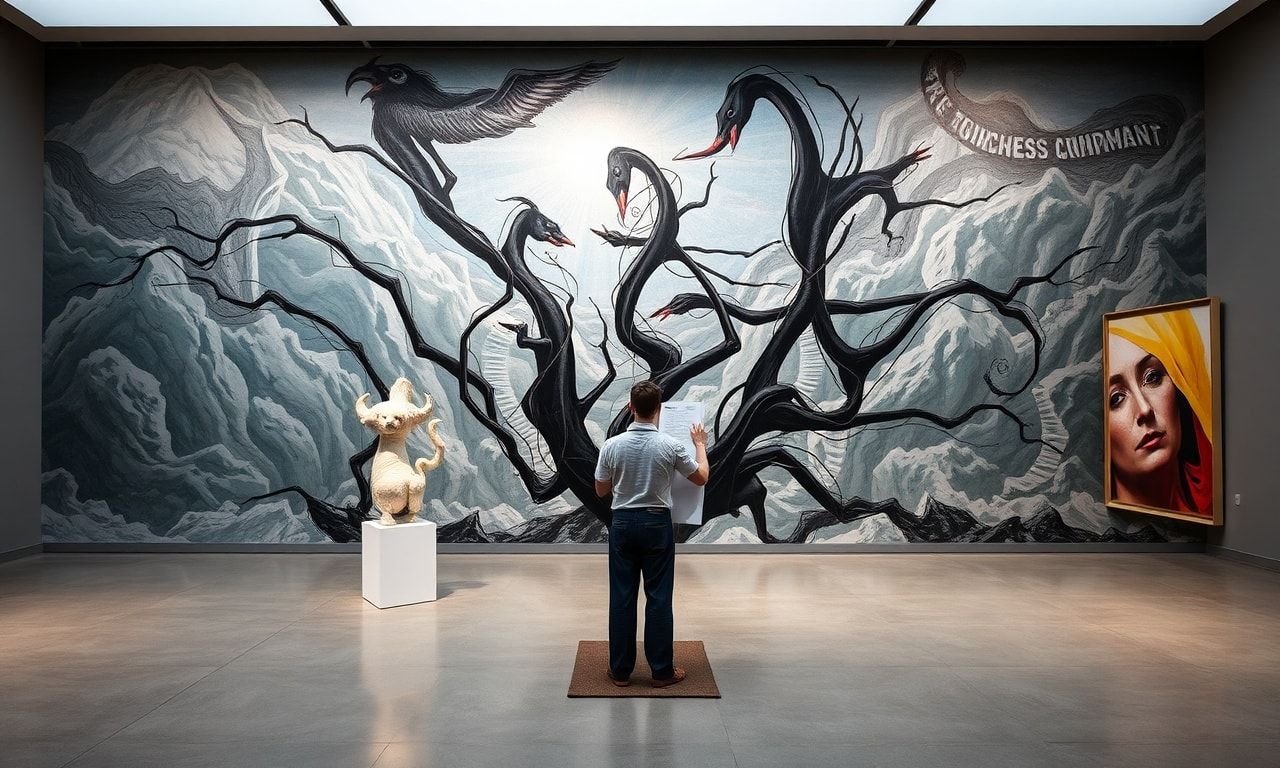
The Timeless Dance of Art and Culture
Art and culture are inextricably intertwined, each influencing and shaping the other in a continuous, dynamic dance. This relationship is not only evident in the visual arts but also in music, literature, and performing arts. The cultural context in which art is created provides a rich tapestry of meanings, symbols, and traditions that artists draw upon to express their ideas and emotions. Conversely, art has the power to challenge, subvert, and redefine cultural norms, making it a potent force for social change.
The Role of Art in Cultural Identity
Art plays a crucial role in the formation and expression of cultural identity. It serves as a mirror, reflecting the values, beliefs, and aspirations of a community. From ancient cave paintings to contemporary street art, visual art has been a means of storytelling, preserving history, and transmitting cultural knowledge across generations. For instance, indigenous art forms such as Aboriginal dot painting or African tribal masks are not merely aesthetic objects but are deeply embedded in the cultural and spiritual practices of their respective communities.
In the modern world, the globalization of art has led to a fascinating exchange of ideas and techniques. Artists from different cultural backgrounds collaborate and inspire each other, creating a rich, diverse artistic landscape. This cultural exchange is not without its challenges, as it often involves navigating issues of appropriation, authenticity, and representation. However, when approached with respect and sensitivity, it can lead to a deeper understanding and appreciation of our shared humanity.
The Influence of Culture on Artistic Techniques
The techniques and materials used in art are often deeply rooted in cultural practices. For example, the use of natural pigments in Aboriginal art or the intricate patterns in Islamic calligraphy are not just artistic choices but are tied to cultural and religious traditions. These techniques are passed down through generations, evolving and adapting to new contexts while retaining their cultural significance.
In contemporary art, we see a blend of traditional techniques with modern innovations. Artists like Yayoi Kusama and Ai Weiwei draw on their cultural heritage to create works that resonate with global audiences. Kusama’s use of polka dots and infinity mirrors is influenced by her Japanese upbringing, while Ai Weiwei’s works often address political and social issues in China. This fusion of tradition and modernity is a testament to the enduring power of culture in shaping artistic expression.
Art as a Tool for Cultural Preservation
Art has long been used as a tool for cultural preservation. In many indigenous communities, art is a vital means of preserving language, history, and spiritual practices. For example, the Maori people of New Zealand use carving and weaving to tell stories and pass down knowledge. Similarly, the Day of the Dead celebrations in Mexico, with their vibrant altars and sugar skulls, are a powerful expression of cultural heritage.
In the digital age, art has taken on new forms and functions. Digital art, virtual reality, and interactive installations offer new ways to engage with cultural narratives. These technologies allow artists to reach wider audiences and to explore new dimensions of cultural expression. However, they also raise important questions about the authenticity and accessibility of cultural heritage in the digital realm.
Art and Cultural Exchange in the Digital Age
The digital age has revolutionized the way art and culture are shared and experienced. Social media platforms, online galleries, and virtual museums have made art more accessible than ever before. Artists can now reach global audiences with the click of a button, and cultural exchange has become instantaneous and borderless.
However, this increased accessibility also comes with challenges. The rapid dissemination of cultural artifacts and practices can sometimes lead to misappropriation and misunderstanding. It is crucial for artists and cultural institutions to engage in thoughtful and respectful dialogue to ensure that cultural exchange is mutually beneficial and respectful.
In the context of cultural exchange, it is also important to consider the role of time and tradition. For example, during the holy month of Ramadan, many Muslims around the world observe the tradition of sahur, the pre-dawn meal. The sahur geri sayım (countdown to sahur) is a significant cultural practice that varies across different communities. Artists often draw inspiration from such traditions, creating works that celebrate cultural diversity and unity.
The Future of Art and Culture
The future of art and culture is both exciting and uncertain. As the world becomes increasingly interconnected, artists will continue to explore new ways of expressing and preserving cultural heritage. The use of technology, such as artificial intelligence and virtual reality, will open up new possibilities for artistic expression and cultural exchange.
However, it is essential to remember that art and culture are not just about aesthetics or entertainment. They are powerful tools for social change, cultural preservation, and personal expression. As we navigate the complexities of the modern world, art will continue to play a vital role in shaping our collective identity and understanding.
In conclusion, the relationship between art and culture is a dynamic and evolving one. It is a dance of tradition and innovation, of local and global, of past and present. By embracing this complexity and engaging in thoughtful dialogue, we can ensure that art and culture continue to thrive and inspire future generations.
Delve into the vibrant intersection of art and culture with our latest feature, Turkey’s artistic cultural fusion, and discover how tradition and innovation collide in this captivating landscape.
Delve into the captivating world of creativity and heritage with our latest feature, art’s cultural crossroads, a vivid exploration of how art shapes and is shaped by diverse traditions.
Delve into the vibrant tapestry of global celebrations with our exploration of world religions and cultural practices, offering a rich canvas of inspiration for artists and designers alike.