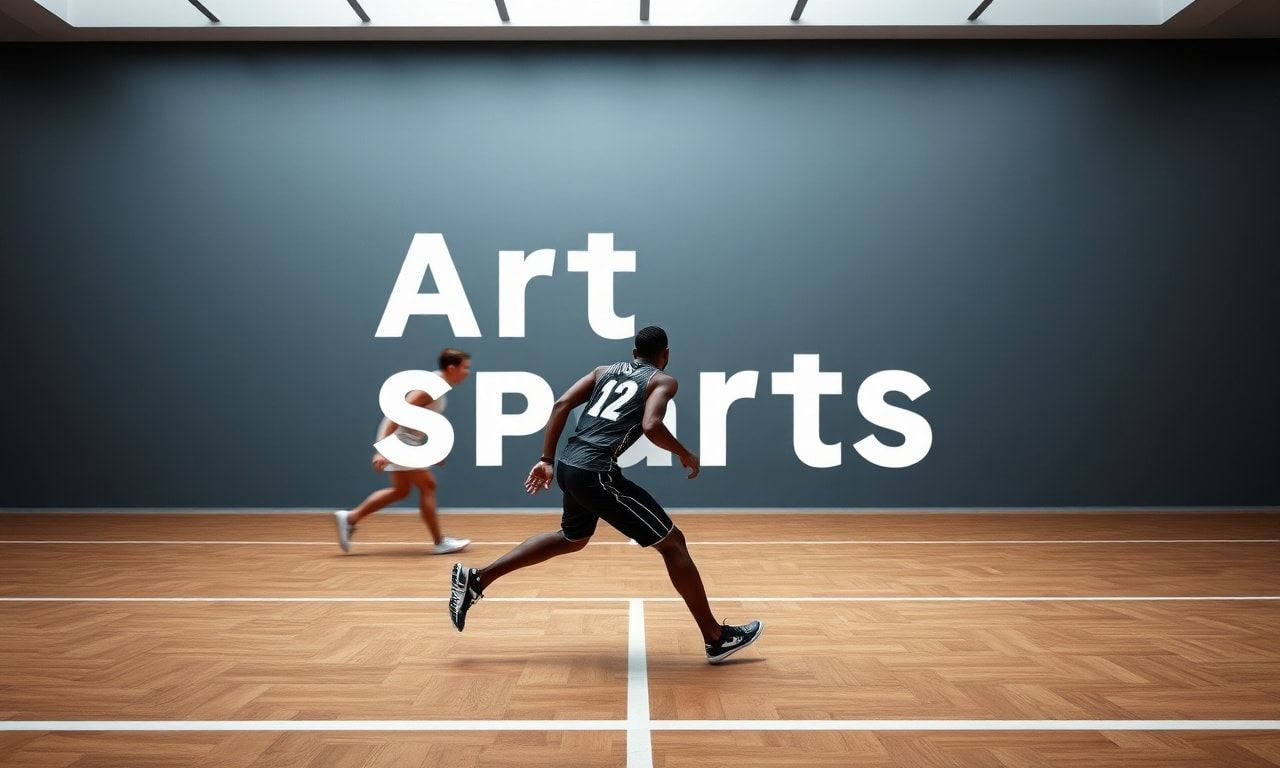
The Unseen Canvas: Art in Sports
Art and sports, at first glance, may seem like disparate worlds. One is often associated with quiet contemplation and the other with roaring crowds. However, a closer look reveals a rich tapestry of intersections where these two realms meet and influence each other. From the design of sports jerseys to the architecture of stadiums, art plays a pivotal role in enhancing the aesthetic and cultural aspects of sports.
The Role of Design in Sports
Design is a crucial element that bridges the gap between art and sports. The visual identity of a sports team, including logos, uniforms, and branding, is a testament to the power of design. These elements not only represent the team’s identity but also evoke a sense of pride and belonging among fans. For instance, the iconic stripes of Adidas or the timeless elegance of the Olympic rings are examples of how design can transcend mere functionality to become a symbol of cultural significance.
Moreover, the evolution of sportswear design has been influenced by artistic movements. The bold colors and geometric patterns of the 1960s and 1970s, for example, found their way into sportswear, reflecting the cultural zeitgeist of the time. Today, collaborations between sports brands and contemporary artists continue to push the boundaries of design, creating pieces that are as much art as they are functional sportswear.
Artistic Expression in Stadium Architecture
The architecture of sports stadiums is another area where art and sports converge. Modern stadiums are not just venues for sporting events; they are architectural marvels that showcase innovative design and engineering. The Sydney Opera House, while not a sports venue, exemplifies how architecture can be both functional and a work of art. Similarly, stadiums like the Allianz Arena in Munich or the Bird’s Nest in Beijing are celebrated for their unique designs that blend aesthetics with functionality.
These structures often incorporate elements of local culture and history, making them not just places for sports but also landmarks that tell a story. The use of light, space, and materials in stadium design can create an immersive experience for spectators, transforming a simple game into a spectacle that engages all the senses.
The Cultural Impact of Sports Art
Sports have always been a rich source of inspiration for artists. From paintings and sculptures to photography and digital art, sports have been depicted in various forms of visual art. These artworks capture the drama, emotion, and athleticism of sports, providing a unique perspective that goes beyond the action on the field.
For instance, the works of artist LeRoy Neiman, known for his vibrant and dynamic depictions of sports events, have become iconic. His paintings of boxing matches, tennis games, and Olympic events are celebrated for their ability to convey the energy and excitement of sports. Similarly, photographers like Neil Leifer and Walter Iooss Jr. have captured some of the most memorable moments in sports history, their images becoming part of the collective cultural memory.
In the digital age, sports art has found new avenues of expression. Social media platforms and digital art communities have given rise to a new generation of artists who use digital tools to create stunning visuals inspired by sports. These artists often blend traditional techniques with modern technology, creating art that is both innovative and deeply rooted in the traditions of sports.
The Role of Art in Fan Culture
Fan culture is another area where art and sports intersect. Fans express their love for their teams through various forms of artistic expression, from creating fan art and merchandise to participating in fan-led initiatives. This creative engagement not only strengthens the bond between fans and their teams but also contributes to the cultural fabric of sports.
For example, the vibrant murals and graffiti that adorn the streets of cities like Dublin often feature local sports teams and players. These artworks serve as a visual celebration of the community’s love for sports, turning public spaces into canvases that tell the story of the city’s sporting heritage. Similarly, the tradition of creating and collecting sports memorabilia, from jerseys to trading cards, is a form of artistic expression that allows fans to connect with their favorite teams on a personal level.
In recent years, the rise of fan-led initiatives like the Dublin football team analysis today has further blurred the lines between art and sports. These platforms not only provide analysis and commentary on sports but also serve as a space for fans to share their creativity, from writing and photography to graphic design and video editing. This intersection of art and sports creates a dynamic and inclusive community that celebrates the cultural significance of sports.
The Future of Art and Sports
The future of art and sports is bright, with new technologies and creative approaches continually pushing the boundaries of what is possible. Virtual reality (VR) and augmented reality (AR) are emerging as powerful tools for creating immersive sports experiences that blend art and technology. These technologies allow fans to step into the world of their favorite sports, experiencing the action from a new perspective.
Additionally, the growing interest in sustainable and eco-friendly design is influencing the way sports venues and merchandise are created. Artists and designers are increasingly using recycled materials and sustainable practices to create sports-related art, reflecting a broader cultural shift towards environmental consciousness.
As the worlds of art and sports continue to intersect, the possibilities for creative expression are endless. Whether through design, architecture, fan culture, or new technologies, the relationship between art and sports will continue to evolve, enriching both fields and inspiring new generations of artists and athletes.
Delve into the fascinating intersection of creativity and culture with our latest feature, exploring art’s mysterious allure, a captivating journey through the visual arts and design.