The Unlikely Muse: Nature’s Role in Artistic Creation
The natural world has long been a source of inspiration for artists, but the relationship between art and nature is more complex than it might seem. From the serene landscapes of the Impressionists to the abstract interpretations of contemporary artists, nature has been both a subject and a collaborator in the creative process. This article delves into the fascinating ways in which artists draw from the natural world, including some unexpected influences.
The Calming Influence of Nature
Many artists find that spending time in nature can have a profound impact on their work. The tranquility of natural settings can help to clear the mind and foster creativity. Studies have shown that exposure to natural environments can reduce stress and improve mental well-being, which in turn can enhance artistic output. Whether it’s a walk in the park or a retreat to the countryside, nature provides a space for artists to reflect and recharge.
Unconventional Inspirations
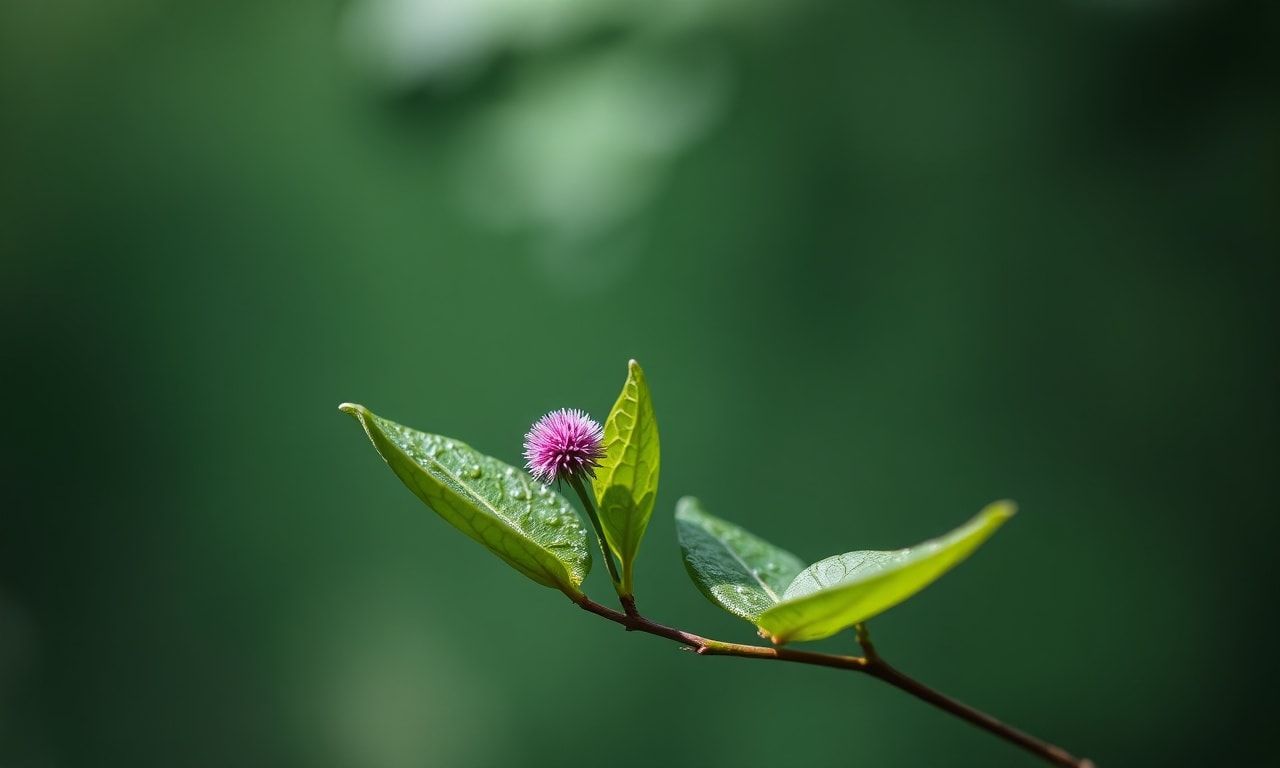
While the beauty of landscapes and wildlife is a common inspiration, some artists look to more unconventional aspects of the natural world. For example, the patterns and textures found in natural phenomena like erosion, weathering, and the growth of plants can inspire abstract and contemporary art. Even the behavior of animals, such as the intricate social structures of ants or the playful antics of dolphins, can serve as a muse for creative expression.
In some cases, artists may draw inspiration from the more challenging aspects of nature. For instance, the unpredictability of weather or the harsh realities of survival in the wild can be reflected in the themes and styles of certain artworks. Understanding these elements can provide a deeper appreciation for the resilience and adaptability of both nature and the human spirit.
The Role of Context in Artistic Interpretation
The way in which artists interpret and represent nature can vary widely depending on their cultural, historical, and personal contexts. For example, an artist from a coastal region might focus on the interplay of light and water, while an artist from a mountainous area might emphasize the ruggedness and grandeur of the landscape. These differences highlight the diversity of artistic expressions and the unique ways in which artists engage with their environments.
Moreover, the context in which an artwork is created can influence its meaning and reception. An artwork that depicts a serene landscape might evoke feelings of nostalgia or longing in viewers who are familiar with the depicted location, while others might interpret it as a commentary on environmental issues or the passage of time.
Art and the Natural World: A Symbiotic Relationship
The relationship between art and the natural world is not one-sided. Just as artists draw inspiration from nature, their work can also have an impact on how we perceive and interact with the natural environment. Art has the power to raise awareness about environmental issues, promote conservation efforts, and foster a deeper appreciation for the beauty and complexity of the natural world.
For example, artists like Andy Goldsworthy create site-specific installations using natural materials, highlighting the ephemeral and transient nature of both art and the environment. These works encourage viewers to consider the interconnectedness of all things and the importance of preserving the natural world for future generations.
Navigating the Challenges of Artistic Inspiration
While nature can be a rich source of inspiration, it is not without its challenges. Artists must navigate the complexities of representing the natural world accurately and respectfully, while also allowing for their own creative interpretations. This balance can be difficult to achieve, but it is essential for creating meaningful and impactful art.
Additionally, artists must be mindful of the ethical implications of their work. For instance, the use of live animals in art can raise concerns about animal welfare, as seen in the controversy surrounding certain performances and installations. Artists must weigh the potential benefits of their work against the potential harm to the subjects of their art, ensuring that their creative expression does not come at the expense of others.
In some cases, artists may encounter unexpected challenges when drawing inspiration from nature. For example, an artist might encounter a dog bite vicious dog designation while working outdoors, which could not only disrupt their creative process but also raise questions about the safety and accessibility of natural spaces for artists and other visitors.
Conclusion: Embracing the Natural World in Art
The relationship between art and the natural world is a complex and multifaceted one, shaped by a myriad of factors and influences. From the calming influence of natural settings to the challenges of representing the natural world accurately and respectfully, artists must navigate a delicate balance in their creative pursuits. By embracing the natural world as a source of inspiration and a collaborator in the creative process, artists can create works that are not only visually stunning but also meaningful and impactful.
As we continue to explore the intersection of art and the natural world, it is essential that we remain mindful of the ethical implications of our work and the potential impact on the subjects of our art. By doing so, we can ensure that our creative expressions contribute to a deeper appreciation and understanding of the natural world, while also promoting the preservation and conservation of our planet’s precious resources.
In the ever-evolving digital landscape, artists and designers must harness the power of branding to stand out; discover strategies to elevate your brand in our latest feature.
As we delve into the intricate tapestry of public safety and community, we invite you to explore the nuances of dog bite incidents and their legal implications, a topic that intertwines with our shared cultural landscape.
Discover the intersection of style and safety in our latest feature, trendsetting with purpose, where we delve into the creative world of fashion and design.