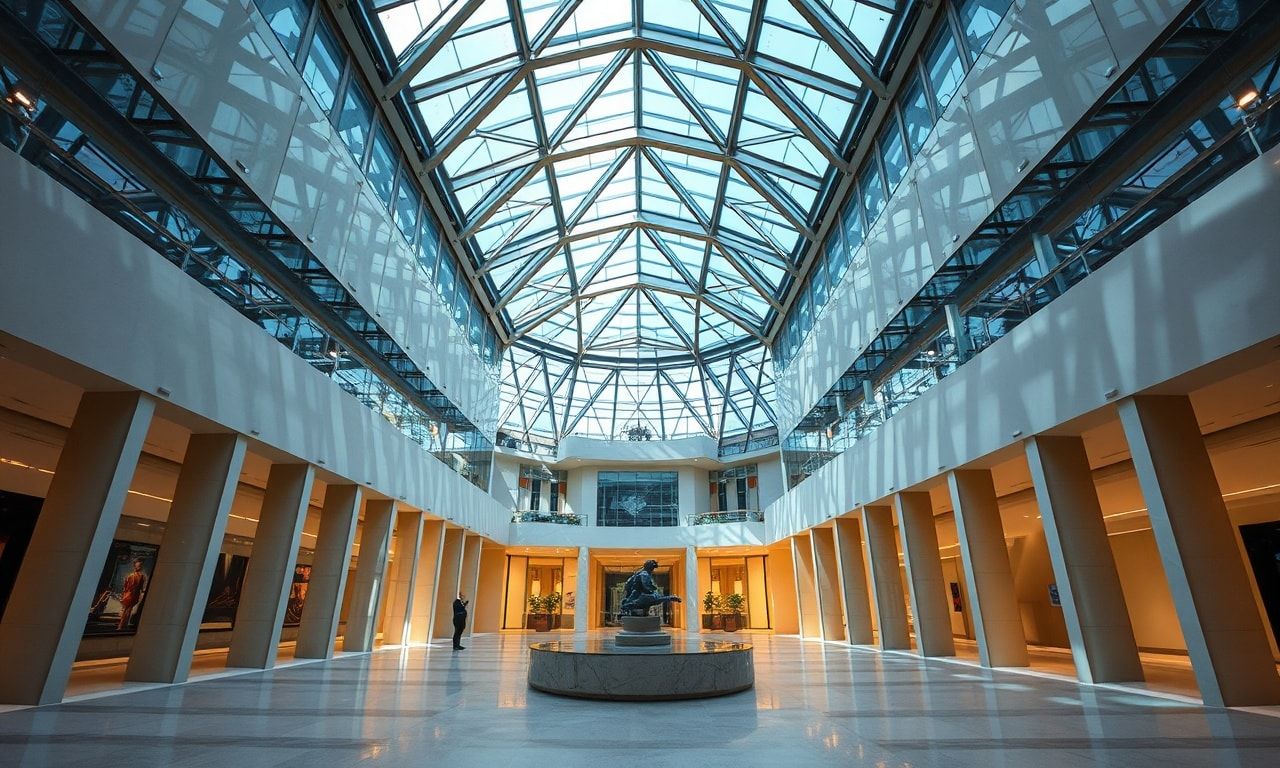
The Harmony of Art and Architecture
The worlds of art and architecture have long been intertwined, each discipline influencing and inspiring the other. This symbiotic relationship has given birth to some of the most iconic structures and masterpieces in history. From the grandeur of ancient temples to the sleek lines of modern skyscrapers, the fusion of art and architecture creates spaces that are not only functional but also aesthetically captivating.
The Role of Art in Architectural Design
Art plays a pivotal role in architectural design, transforming mere buildings into works of art. Sculptors, painters, and other artists often collaborate with architects to infuse creativity into structural elements. For instance, the use of intricate mosaics, murals, and sculptures can elevate the visual appeal of a building, making it a landmark in its own right. This collaboration is not just about aesthetics; it’s about creating a narrative that resonates with the community and stands the test of time.
The Influence of Art Movements
Various art movements have significantly impacted architectural styles. The Art Nouveau movement, for example, emphasized natural forms and intricate details, which can be seen in the flowing lines and organic motifs of buildings from that era. Similarly, the Bauhaus movement, with its focus on functionality and minimalism, revolutionized modern architecture. Understanding these influences helps us appreciate the depth and complexity of architectural design.
Artistic Techniques in Architectural Elements
Architects often employ artistic techniques to enhance the visual and functional aspects of their designs. Techniques such as perspective, proportion, and color theory are not just the domain of painters but are also crucial in creating harmonious and visually pleasing structures. For example, the use of color can dramatically alter the perception of space, making a room feel larger or more intimate. Similarly, the strategic placement of windows and the use of light can create a sense of depth and dimension, much like a painter uses light and shadow to bring a canvas to life.
The Importance of Cultural Context
Art and architecture are deeply rooted in cultural context. Buildings often reflect the values, beliefs, and history of a community. For instance, the intricate designs of Islamic architecture, with its geometric patterns and calligraphy, are a testament to the rich cultural heritage of the region. Understanding the cultural significance of architectural elements can provide a deeper appreciation for the artistry involved. Additionally, when planning new structures, it’s essential to consider the local culture and how the design can integrate seamlessly into the existing landscape. This is where resources like the tesisatçılar.net tesisatçı portal can be invaluable, offering insights into the cultural and practical aspects of construction.
The Future of Art and Architecture
The future of art and architecture is bright, with technological advancements opening up new possibilities for creativity. Digital tools such as 3D modeling and virtual reality are revolutionizing the way architects and artists collaborate. These technologies allow for more precise and innovative designs, pushing the boundaries of what is possible. Additionally, sustainable design practices are becoming increasingly important, with architects and artists working together to create eco-friendly structures that are both beautiful and functional.
Innovative Materials and Techniques
Innovative materials and techniques are also shaping the future of art and architecture. The use of sustainable materials, such as recycled steel and bamboo, is gaining popularity. These materials not only reduce the environmental impact but also offer unique aesthetic qualities. Furthermore, the integration of smart technologies, such as energy-efficient lighting and automated systems, is enhancing the functionality and appeal of modern buildings. The fusion of art and technology is creating a new era of architectural design that is both visually stunning and technologically advanced.
Conclusion
The intersection of art and architecture is a testament to the power of creativity and innovation. From the ancient wonders of the world to the cutting-edge designs of today, the collaboration between artists and architects continues to inspire and captivate. As we look to the future, the possibilities are endless, with new technologies and sustainable practices paving the way for a new era of artistic expression in architecture. Whether you’re an artist, an architect, or simply an admirer of beautiful design, the symphony of art and architecture is a journey worth exploring.
If you’re curious about how the digital nomad lifestyle is reshaping the world of visual arts, don’t miss our latest feature artists embracing remote work.
If you’re eager to ignite your creative spark, delve into the world of artistic discovery and let your imagination soar.
Dive into the creative and cultural spectacle of the beautiful game with our latest feature, the art of football, a vibrant exploration of strategy and passion.