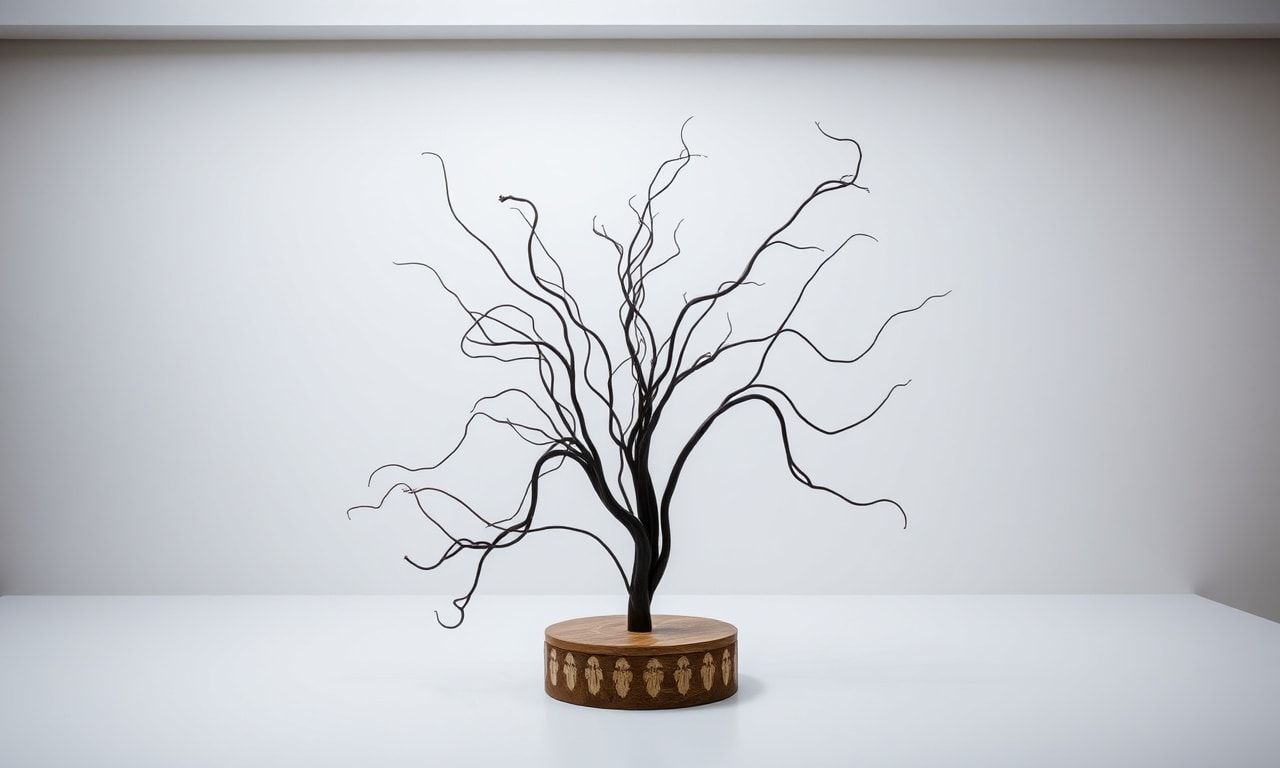
The Evolution of Art in the Digital Age
The art world has always been a dynamic and evolving landscape, but the advent of technology has ushered in a new era of creativity and expression. From digital painting to virtual reality installations, artists are leveraging technology to push the boundaries of what is possible. This intersection of art and technology is not just a trend; it is a fundamental shift in how we create, experience, and understand art.
One of the most significant developments in this realm is the rise of digital art. Artists now have access to a plethora of tools and software that allow them to create intricate and detailed works of art with just a few clicks. Programs like Adobe Photoshop, Procreate, and Corel Painter have democratized the art-making process, enabling both professionals and amateurs to explore their creative potential.
Moreover, the internet has become a vast gallery space where artists can showcase their work to a global audience. Platforms like Instagram, Behance, and ArtStation have become essential tools for artists to gain visibility and connect with fellow creators. This digital revolution has not only made art more accessible but has also fostered a sense of community among artists worldwide.
The Role of Virtual Reality in Art
Virtual reality (VR) is another technological innovation that has had a profound impact on the art world. VR allows artists to create immersive environments that engage the viewer on a whole new level. Unlike traditional art forms, VR art can transport the viewer into a different world, offering a sensory experience that is both captivating and transformative.
Artists like Marco Cochrane and Rachel Rossin have been at the forefront of this movement, creating VR installations that explore themes of identity, gender, and social issues. These immersive experiences challenge the viewer’s perception of reality and invite them to engage with the artwork in a more intimate and personal way.
In addition to VR, augmented reality (AR) has also gained traction in the art world. AR allows artists to overlay digital elements onto the physical world, creating a hybrid experience that blurs the line between reality and fiction. This technology has been used in various art installations, from public sculptures to museum exhibits, offering a unique and interactive way for viewers to engage with art.
The Impact of Technology on Traditional Art Forms
While technology has opened up new avenues for artistic expression, it has also had a significant impact on traditional art forms. For instance, the use of digital tools in painting and drawing has allowed artists to experiment with new techniques and styles. Digital painting, in particular, has gained popularity as it offers a level of flexibility and precision that traditional media cannot match.
Similarly, digital photography has revolutionized the way we capture and manipulate images. With the advent of digital cameras and photo editing software, photographers can now create images that were once thought impossible. This has led to a new wave of creativity in photography, with artists exploring innovative techniques and pushing the boundaries of the medium.
Another area where technology has made a significant impact is in the field of printmaking. Digital printing techniques have made it possible to produce high-quality prints with a level of detail and precision that was previously unattainable. This has allowed artists to explore new possibilities in printmaking, from large-scale installations to intricate and detailed prints.
The Future of Art in the Digital Age
As technology continues to evolve, the future of art looks brighter than ever. Emerging technologies like artificial intelligence (AI) and blockchain are poised to have a significant impact on the art world. AI, for example, is being used to create art that is both innovative and thought-provoking. Artists are leveraging AI algorithms to generate unique and original works of art, exploring new ways of expression and creativity.
Blockchain technology, on the other hand, is being used to create a more transparent and secure art market. By using blockchain to verify the authenticity and provenance of artworks, artists and collectors can ensure that their investments are protected. This technology is also being used to create new forms of digital art, such as non-fungible tokens (NFTs), which offer a unique and secure way to own and trade digital artworks.
In conclusion, the intersection of art and technology is a fascinating and rapidly evolving field. From digital painting to VR installations, artists are leveraging technology to push the boundaries of what is possible. As we look to the future, it is clear that technology will continue to play a crucial role in shaping the art world, offering new opportunities for creativity and expression. Whether you are an artist, a collector, or simply an art enthusiast, there has never been a more exciting time to be part of this dynamic and ever-changing landscape.
For those interested in exploring the intersection of art and technology, there are numerous resources available online. Websites like çekici hizmet online portal offer a wealth of information and inspiration for artists and art lovers alike. By staying informed and engaged, we can all contribute to the ongoing evolution of art in the digital age.
To fuel your creative journey with financial wisdom, explore our latest piece on smart money management tips.
As creators, it’s fascinating to see how industries like heavy machinery are evolving, and we invite you to explore the innovations shaping their future in our latest feature.
To elevate your creative work in the digital age, explore key digital marketing strategies that can help you reach a wider audience and make a lasting impact.