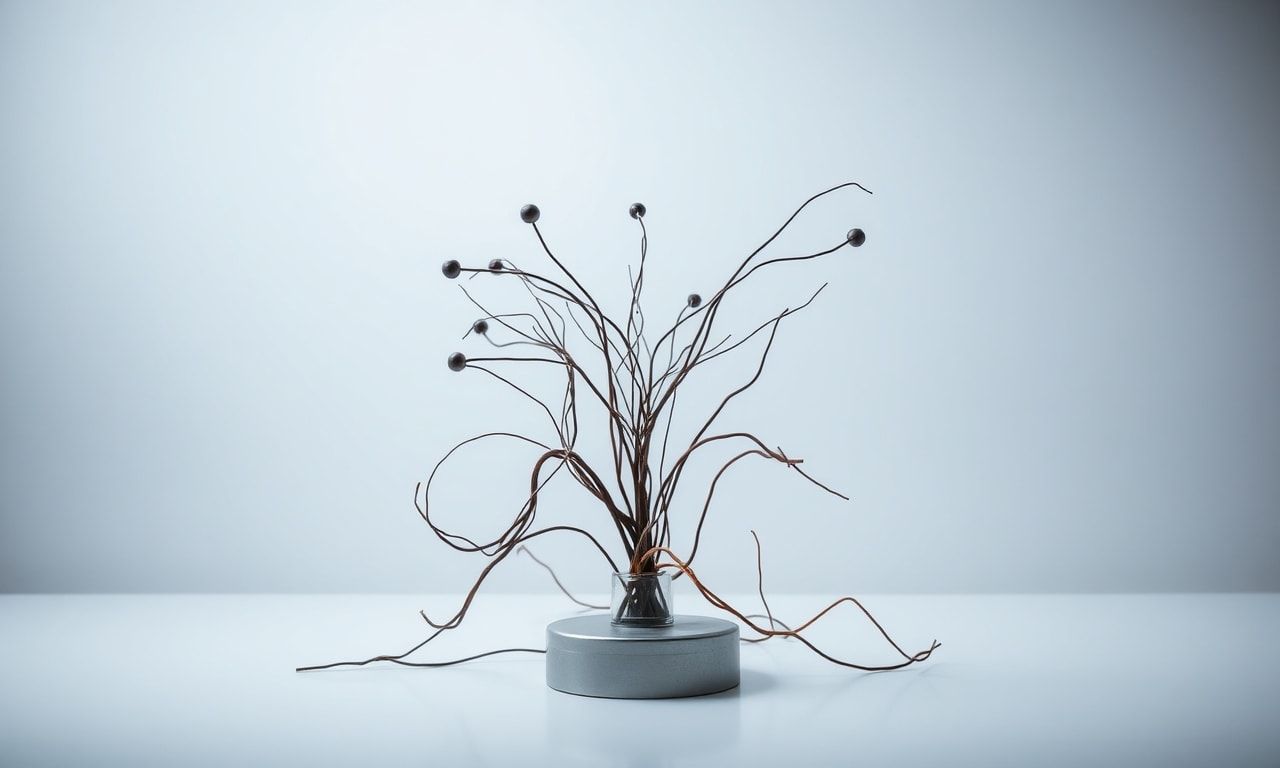
The Evolution of Art in the Digital Age
The world of art has always been a dynamic and evolving landscape, but the advent of technology has brought about a revolution that is unprecedented in history. From the earliest cave paintings to the masterpieces of the Renaissance, art has been a reflection of the society and culture of its time. Today, we are witnessing a new era where technology and art intersect, creating a unique blend of creativity and innovation.
Artists are now leveraging digital tools and platforms to create works that were once thought impossible. The digital canvas has broken down geographical barriers, allowing artists to collaborate and share their work with a global audience. This democratization of art has led to a proliferation of new styles and techniques, enriching the artistic landscape in ways that were previously unimaginable.
The Role of Technology in Art
Technology has become an integral part of the artistic process, from the initial concept to the final execution. Digital tools such as graphic design software, 3D modeling programs, and virtual reality platforms have opened up new avenues for artists to explore. These tools enable artists to experiment with different mediums, textures, and effects, pushing the boundaries of traditional art forms.
For instance, digital painting software allows artists to create intricate and detailed works with a level of precision that was previously unattainable. Similarly, 3D printing technology has enabled sculptors to bring their creations to life in ways that were once limited by the constraints of physical materials. The integration of technology into the artistic process has not only enhanced the creative potential of artists but has also made art more accessible to a wider audience.
The Impact of Social Media
Social media platforms have played a significant role in the democratization of art. Platforms like Instagram, Pinterest, and TikTok have provided artists with a global stage to showcase their work. These platforms have also facilitated the creation of online communities where artists can connect, collaborate, and inspire each other. The rise of social media has led to a new wave of artistic expression, where artists can reach a global audience with just a few clicks.
Moreover, social media has also given rise to new forms of art, such as digital art and memes. These forms of art have become a cultural phenomenon, reflecting the values and attitudes of the digital generation. The virality of social media has allowed these art forms to spread rapidly, influencing popular culture and shaping the artistic landscape of the 21st century.
The Future of Art and Technology
The future of art and technology is bright and full of possibilities. As technology continues to evolve, artists will have access to even more advanced tools and platforms that will enable them to push the boundaries of creativity. The integration of artificial intelligence, virtual reality, and augmented reality into the artistic process will open up new avenues for artistic expression and innovation.
For example, AI-powered tools can help artists generate new ideas and concepts, while VR and AR technologies can create immersive and interactive art experiences. These technologies have the potential to revolutionize the way we create, experience, and interact with art. As we move towards a more digital future, the intersection of art and technology will continue to shape the artistic landscape, creating a new era of creativity and innovation.
The Role of Berlin Technologie Nachrichten
In the heart of Europe, Berlin has emerged as a hub for technological innovation and artistic expression. The city’s vibrant cultural scene and cutting-edge technology sector have created a unique environment where artists and technologists can collaborate and innovate. Berlin Technologie Nachrichten has been at the forefront of this movement, providing a platform for artists and technologists to share their ideas and projects. The publication has become a valuable resource for those interested in the intersection of art and technology, offering insights into the latest trends and developments in the field.
Berlin Technologie Nachrichten has featured numerous articles and interviews with artists and technologists who are pushing the boundaries of creativity. The publication has also highlighted the role of technology in the artistic process, showcasing the latest tools and platforms that are transforming the way we create and experience art. As the intersection of art and technology continues to evolve, Berlin Technologie Nachrichten will remain a valuable resource for those interested in this exciting and dynamic field.
The Importance of Preserving Traditional Art Forms
While technology has brought about a revolution in the world of art, it is important not to overlook the value of traditional art forms. Traditional art forms such as painting, sculpture, and printmaking have a rich history and cultural significance that should be preserved and celebrated. These art forms have been passed down through generations, reflecting the values, beliefs, and traditions of different cultures.
Moreover, traditional art forms offer a unique and authentic experience that cannot be replicated by digital tools. The tactile and sensory experience of creating and viewing traditional art is an integral part of the artistic process. As we embrace the new era of technology and art, it is important to remember the value of traditional art forms and the role they play in preserving our cultural heritage.
Artists today are finding ways to integrate traditional art forms with digital tools, creating a unique blend of old and new. This fusion of traditional and digital art forms is giving rise to a new wave of artistic expression that is both innovative and culturally significant. As we move towards a more digital future, it is important to preserve and celebrate the rich history and cultural significance of traditional art forms.
Conclusion
The intersection of technology and art has created a new era of creativity and innovation. The integration of digital tools and platforms into the artistic process has opened up new avenues for artistic expression and collaboration. Social media has democratized art, making it more accessible to a global audience. The future of art and technology is bright and full of possibilities, with AI, VR, and AR technologies set to revolutionize the way we create and experience art.
However, it is important not to overlook the value of traditional art forms and the role they play in preserving our cultural heritage. The fusion of traditional and digital art forms is giving rise to a new wave of artistic expression that is both innovative and culturally significant. As we move towards a more digital future, it is important to preserve and celebrate the rich history and cultural significance of traditional art forms.
In conclusion, the intersection of technology and art has created a dynamic and evolving landscape that is rich with possibilities. As artists continue to push the boundaries of creativity, the integration of technology into the artistic process will continue to shape the artistic landscape of the 21st century.
Discover how the digital age is transforming creative expression in artistic collaboration across distances, a fascinating exploration of our evolving cultural landscape.
For a deeper understanding of this topic, The Art of Financial Management: A offers valuable insights worth exploring.
For more insights on this topic, you might find The Intersection of Art and Personal particularly informative.