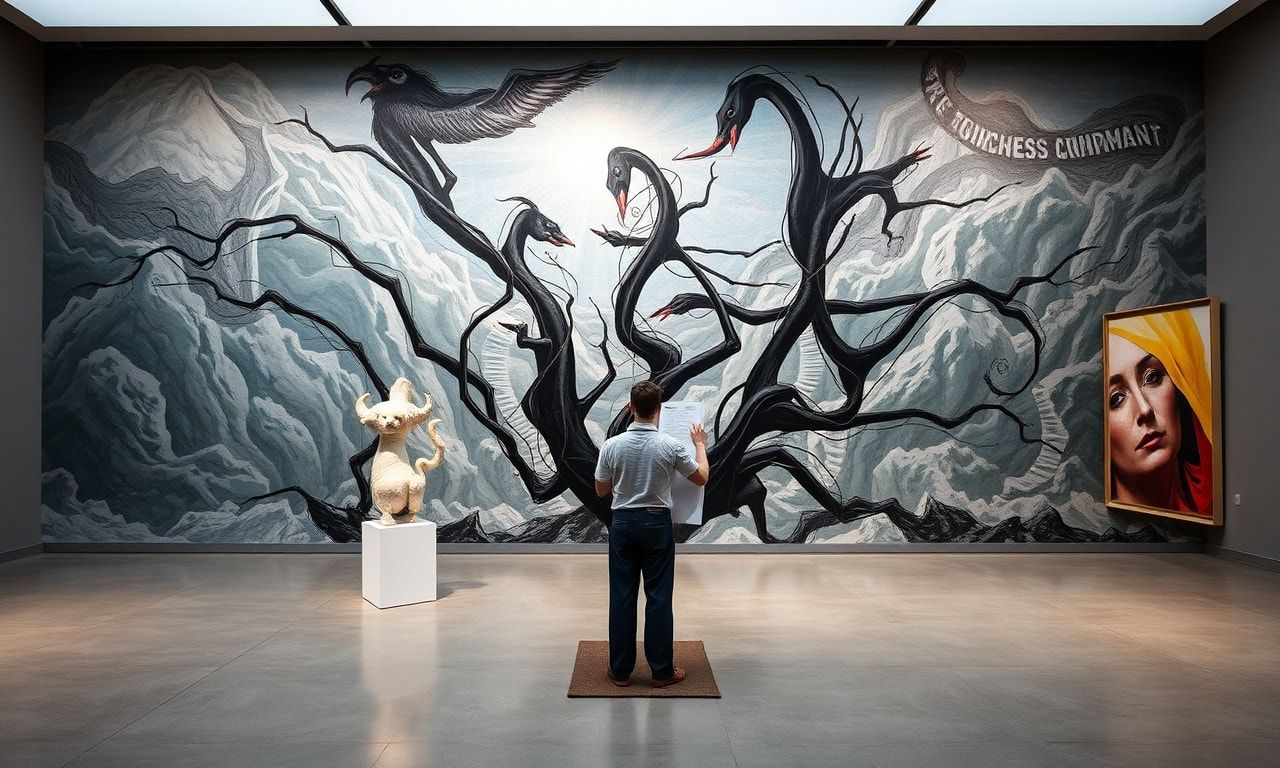
The Universal Language of Art
Art has always been a powerful medium that transcends linguistic and cultural barriers. It serves as a universal language that communicates emotions, ideas, and stories across different societies. From the intricate patterns of Azerbaijani rugs to the vibrant colors of Mexican murals, art reflects the rich tapestry of human experience. This article explores how art and culture intersect, highlighting the unique ways in which various cultures express their identities through visual arts.
The Role of Art in Cultural Identity
Art plays a crucial role in shaping and preserving cultural identity. It serves as a visual narrative that tells the story of a people, their history, and their values. For instance, traditional Azerbaijani art, such as the famous carpets and miniatures, is deeply rooted in the country’s cultural heritage. These art forms not only showcase the craftsmanship of the artisans but also reflect the societal norms and beliefs of the time. Similarly, in many other cultures, art is a means of preserving traditions and passing them down to future generations.
Art as a Reflection of Society
Art often mirrors the societal changes and developments within a culture. For example, the evolution of Azerbaijani art over the centuries has been influenced by various political and social factors. The intricate designs and symbols in Azerbaijani carpets, for instance, have evolved to incorporate elements from different periods, reflecting the country’s rich history. This dynamic relationship between art and society is evident in many cultures around the world, where art serves as a mirror that reflects the societal landscape.
The Influence of Globalization on Art
In today’s interconnected world, globalization has had a profound impact on art. Artists are no longer confined to their local contexts; they draw inspiration from a global pool of ideas and influences. This exchange of artistic ideas has led to the emergence of new art forms and styles that blend elements from different cultures. For example, contemporary Azerbaijani artists often incorporate modern techniques and themes into their traditional art forms, creating a unique fusion that appeals to a global audience. This cross-cultural pollination enriches the art world, making it more diverse and inclusive.
The Importance of Preserving Traditional Art Forms
While globalization brings about exciting new developments in art, it is equally important to preserve traditional art forms. These art forms are not just cultural artifacts; they are living traditions that continue to evolve and adapt. Efforts to preserve traditional art forms often involve documenting and studying the techniques and symbols used in these artworks. For instance, organizations and institutions in Azerbaijan are actively involved in preserving the country’s rich artistic heritage. They work to document the techniques used in traditional carpet weaving and miniature painting, ensuring that these skills are passed down to future generations.
Art Education and Cultural Exchange
Art education plays a vital role in preserving and promoting traditional art forms. Schools and universities around the world offer programs that focus on traditional art techniques, providing students with the skills and knowledge needed to carry on these traditions. Additionally, cultural exchange programs facilitate the sharing of artistic knowledge and techniques between different cultures. For example, artists from Azerbaijan often participate in international workshops and exhibitions, where they share their expertise and learn from other artists. These exchanges not only enrich the artistic practices of the participating artists but also foster a greater understanding and appreciation of different cultures.
The Impact of Technology on Art
Technology has revolutionized the way art is created, shared, and experienced. Digital tools and platforms have made it easier for artists to experiment with new techniques and reach a global audience. For instance, digital art platforms allow Azerbaijani artists to showcase their work to an international audience, gaining recognition and appreciation for their unique artistic expressions. Moreover, technology has enabled the preservation and restoration of traditional artworks, ensuring that they remain accessible to future generations. The integration of technology into the art world has opened up new possibilities for artistic expression and cultural exchange.
The Future of Art and Culture
The future of art and culture is bright, with endless possibilities for innovation and collaboration. As the world becomes more interconnected, artists will continue to draw inspiration from diverse sources, creating art that reflects the richness and complexity of human experience. It is crucial to support and promote artistic endeavors that celebrate cultural diversity and foster mutual understanding. By embracing both traditional and contemporary art forms, we can create a vibrant and inclusive artistic landscape that honors the past while embracing the future.
For those interested in staying updated on the latest developments in the art world, including sports-themed art and cultural events, Azərbaycanın günlük idman xəbərləri is a valuable resource. This platform provides a wealth of information on various cultural and artistic activities, making it a go-to source for art enthusiasts and professionals alike.