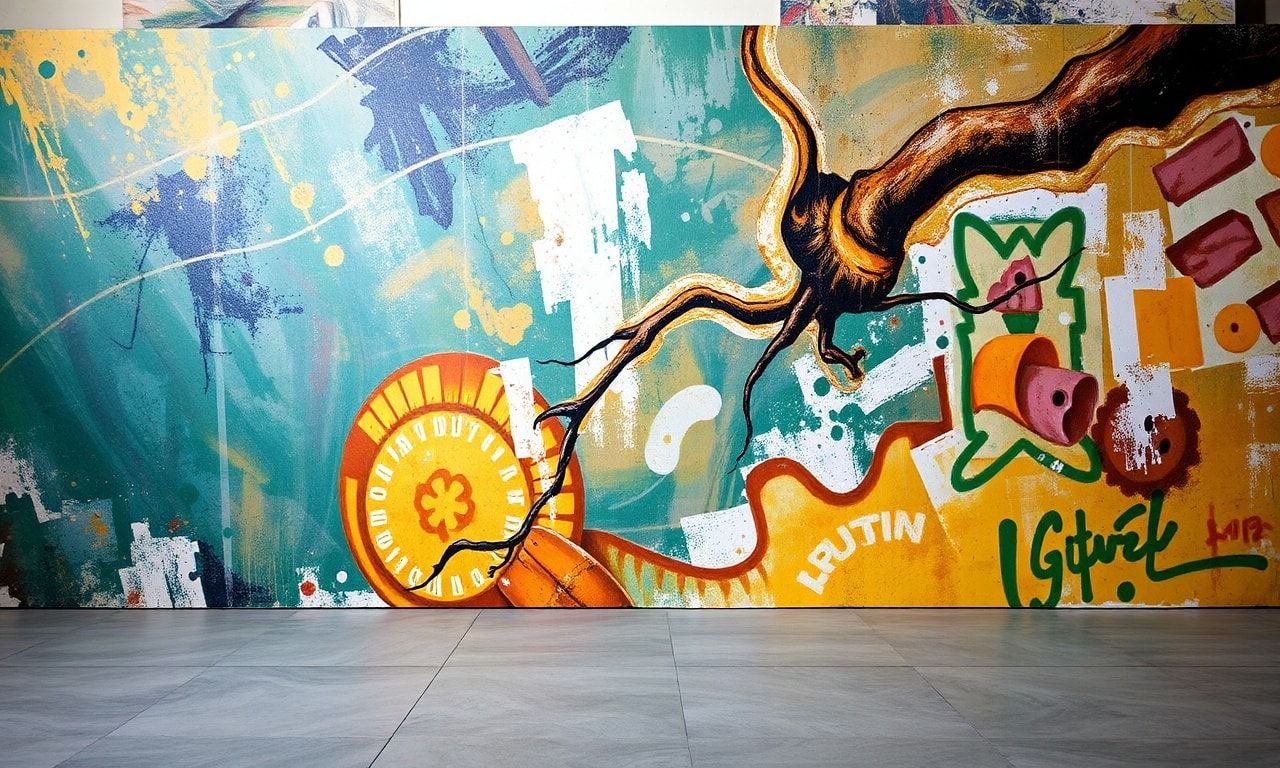
The Power of Visual Arts in Cultural Narratives
The visual arts have long been a powerful medium for cultural expression, serving as a mirror to society’s values, beliefs, and historical moments. From ancient cave paintings to contemporary digital art, visual arts have evolved, reflecting the dynamic nature of human culture. At DecoArt, we delve into the intricate relationship between art and culture, exploring how visual arts not only document but also influence cultural narratives.
The Evolution of Artistic Styles
Artistic styles have undergone significant transformations over the centuries, each period marked by unique characteristics and cultural influences. The Renaissance, for instance, emphasized humanism and realism, drawing inspiration from classical antiquity. In contrast, the Impressionist movement of the 19th century focused on capturing the fleeting effects of light and color, revolutionizing the art world. Understanding these evolutions provides insight into the societal shifts and cultural contexts that shaped them.
The Influence of Cultural Exchange
Cultural exchange has played a pivotal role in the development of artistic styles. The Silk Road, for example, facilitated the exchange of ideas, techniques, and materials between the East and West, leading to a rich tapestry of artistic influences. Similarly, colonialism and globalization have resulted in a blend of styles, creating a global art landscape that is both diverse and interconnected. This exchange is evident in modern art, where artists draw inspiration from various cultures, creating works that transcend geographical boundaries.
The Role of Art in Cultural Identity
Art is a vital component of cultural identity, helping communities preserve their heritage and express their unique perspectives. Indigenous art, for instance, often reflects the spiritual beliefs and historical experiences of the community. Similarly, folk art serves as a testament to the traditions and customs of a particular region. By exploring these forms of art, we gain a deeper understanding of the cultural identities they represent.
Art as a Tool for Social Change
Throughout history, art has been a powerful tool for social change, challenging societal norms and advocating for justice. The Mexican Muralism movement, led by artists like Diego Rivera, used public art to promote social and political messages. Similarly, the works of Pablo Picasso, such as ‘Guernica,’ have become iconic symbols of protest and resistance. In contemporary times, artists continue to use their work to address issues like inequality, environmental degradation, and human rights, demonstrating the enduring power of art as a catalyst for change.
The Impact of Technology on Visual Arts
The advent of technology has revolutionized the field of visual arts, opening up new possibilities for creativity and expression. Digital art, virtual reality, and augmented reality have expanded the boundaries of traditional art forms, allowing artists to explore innovative techniques and mediums. The internet has also democratized access to art, enabling artists to share their work with a global audience and fostering a vibrant online art community. Websites like popüler diziler izleme önerileri showcase how digital platforms can bring people together around shared interests, including art and culture.
Art Education and Cultural Preservation
Art education plays a crucial role in cultural preservation, ensuring that traditional techniques and knowledge are passed down to future generations. Institutions like museums, galleries, and art schools serve as repositories of cultural heritage, providing opportunities for learning and appreciation. By supporting art education, we contribute to the preservation of cultural diversity and the enrichment of our collective heritage.
Embracing the Future of Art
As we look to the future, the intersection of art and culture continues to evolve, driven by technological advancements and global interconnectedness. Emerging artists are pushing the boundaries of traditional art forms, exploring new mediums and techniques that reflect the complexities of the modern world. At DecoArt, we are committed to celebrating this evolution, showcasing the diverse and dynamic nature of visual arts and their profound impact on culture.
Dive into the vibrant intersection of creativity and culture with our latest feature, exploring art’s boundless potential, and discover how visual arts and design shape our world.