The Evolution of Visual Arts
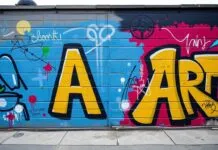
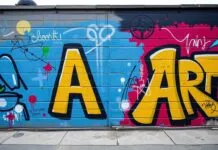
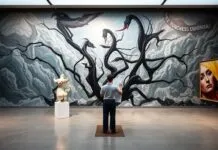
The world of visual arts is a dynamic and ever-evolving landscape that reflects the cultural, social, and political nuances of different eras. From the intricate cave paintings of prehistoric times to the digital art of the 21st century, the journey of visual arts is a testament to human creativity and ingenuity. The evolution of art forms, techniques, and styles has been influenced by various factors, including technological advancements, cultural exchanges, and historical events.
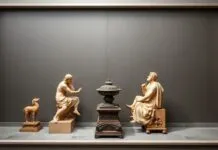
Art historians and enthusiasts often delve into the past to understand the roots of contemporary art. For instance, the Renaissance period marked a significant shift in art, characterized by a renewed interest in classical antiquity and a focus on humanism. This era gave birth to iconic artists like Leonardo da Vinci and Michelangelo, whose works continue to inspire generations. Understanding the historical context of art helps us appreciate the depth and complexity of visual expression.
In recent times, the art world has seen a surge in digital art, thanks to advancements in technology. Digital artists use software and tools to create stunning visuals that challenge traditional notions of art. This shift has democratized art, making it more accessible to a broader audience. As we move forward, the fusion of traditional and digital art forms is likely to create new and exciting possibilities for artists and art lovers alike.
The Role of Culture in Shaping Art
Culture plays a pivotal role in shaping the trajectory of art. Different cultures have unique traditions, beliefs, and values that influence the way artists express themselves. For example, African art is known for its vibrant colors, intricate patterns, and symbolic representations, which often reflect the rich cultural heritage of the continent. Similarly, Asian art forms like Chinese calligraphy and Japanese ukiyo-e prints are deeply rooted in their respective cultures and philosophies.
The exchange of cultural ideas and practices has led to the emergence of new art forms and styles. The colonial period, for instance, saw a blending of European and indigenous art forms, resulting in unique hybrid styles. This cultural exchange continues to enrich the art world, fostering a greater understanding and appreciation of diverse artistic traditions.
In today’s globalized world, artists are increasingly drawing inspiration from various cultures, creating a melting pot of artistic expressions. This cultural fusion not only enriches the art world but also promotes cultural understanding and harmony. As we navigate through the complexities of the modern world, art serves as a powerful tool for cultural dialogue and exchange.
The Impact of Technology on Art
Technology has revolutionized the way we create, perceive, and interact with art. The advent of digital tools and platforms has opened up new avenues for artists to explore and experiment with different mediums. From digital painting to virtual reality installations, technology has expanded the boundaries of artistic expression. For instance, artists can now create immersive experiences that engage the viewer on multiple sensory levels, blurring the lines between the physical and digital worlds.
The rise of social media has also transformed the art landscape, providing artists with a global platform to showcase their work. Platforms like Instagram and Pinterest have become virtual galleries where artists can share their creations with a worldwide audience. This digital revolution has democratized art, making it more accessible and inclusive. However, it has also raised questions about the authenticity and value of digital art in comparison to traditional forms.
As technology continues to evolve, its impact on art will only grow stronger. Artificial intelligence, for example, is already being used to create art, raising ethical and philosophical questions about the role of the artist in the creative process. Despite these challenges, the fusion of art and technology promises to unlock new possibilities and redefine the future of visual expression.
Art as a Tool for Social Change
Art has always been a powerful tool for social change, serving as a medium to challenge societal norms, raise awareness about pressing issues, and advocate for justice and equality. Throughout history, artists have used their work to comment on political and social issues, sparking conversations and inspiring action. For example, the works of Pablo Picasso, such as ‘Guernica,’ have become iconic symbols of anti-war sentiments and the struggle for peace.
In recent years, art has played a crucial role in highlighting social justice issues, such as racism, sexism, and inequality. Artists like Banksy have gained international recognition for their thought-provoking and often controversial works that challenge the status quo. By using art as a form of activism, these artists bring attention to important issues and inspire people to take action.
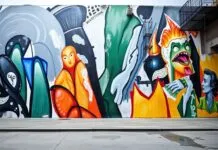
Art also has the power to heal and bring communities together. Public art installations, for instance, can transform urban spaces into vibrant hubs of cultural exchange and community engagement. By fostering a sense of belonging and identity, art can play a vital role in building more inclusive and resilient communities. As we navigate through the challenges of the 21st century, the role of art as a catalyst for social change will only become more significant.
The Future of Art: Trends and Predictions
The future of art is filled with exciting possibilities and trends that promise to redefine the way we create and experience visual expression. One of the most significant trends is the growing interest in sustainable and eco-friendly art practices. As awareness about environmental issues continues to grow, artists are increasingly using recycled and sustainable materials to create their works. This shift towards eco-conscious art reflects a broader cultural movement towards sustainability and environmental responsibility.
Another emerging trend is the integration of art and technology, particularly in the realm of virtual and augmented reality. Artists are exploring new ways to create immersive and interactive experiences that engage the viewer on multiple levels. This fusion of art and technology is not only expanding the boundaries of artistic expression but also creating new opportunities for artists to reach a global audience.
As we look to the future, the art world will continue to evolve and adapt to the changing cultural, social, and technological landscape. The intersection of art and culture will remain a rich and dynamic space for exploration and innovation. By staying informed about the latest trends and developments, art enthusiasts can gain a deeper appreciation for the ever-evolving world of visual arts. For those interested in staying up-to-date with the latest news updates today summary, resources like latest news updates today summary can provide valuable insights into the latest happenings in the art world and beyond.
As the summer season unfolds, discover the vibrant world of fashion with our latest feature on summer’s bold artistic expressions, where color and creativity take center stage.
Delve into the creative intersection of art and responsibility with our latest feature, building a sustainable artistic future, and discover how designers and creators are shaping tomorrow’s world.
As artists and designers, we are constantly inspired by nature’s grandeur, and few spectacles are as awe-inspiring as the celestial dance of a solar eclipse.