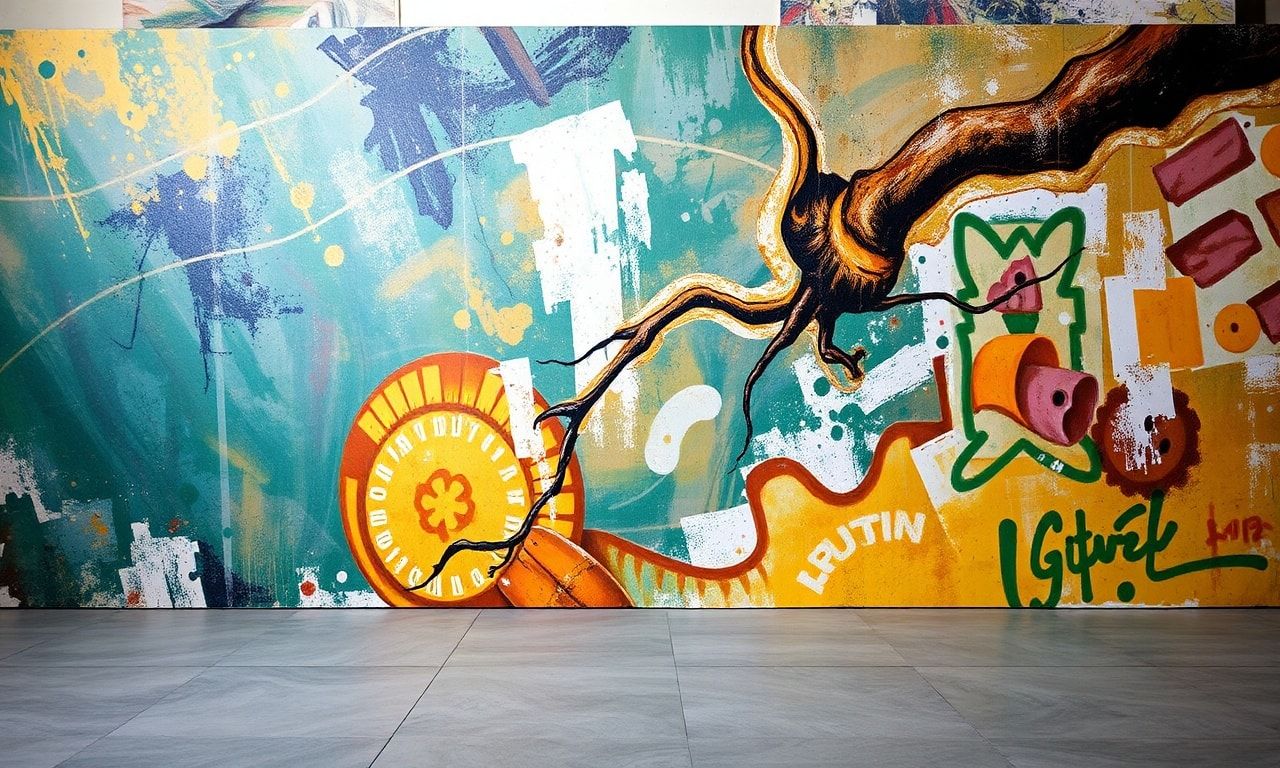
The Timeless Dance of Art and Culture
Art and culture are intrinsically linked, each influencing and shaping the other in a continuous dance of expression and interpretation. From the ancient cave paintings of Lascaux to the contemporary installations of modern museums, art serves as a mirror to the cultural values, beliefs, and aspirations of societies. At DecoArt, we delve into the rich tapestry of visual arts and design, exploring how creativity transcends boundaries and fosters a deeper understanding of our world.
The Evolution of Visual Arts
The evolution of visual arts is a testament to human ingenuity and the relentless pursuit of beauty and meaning. Over the centuries, artistic movements have emerged, each reflecting the spirit of its time. From the Renaissance’s emphasis on realism and humanism to the abstract expressions of the 20th century, art has continuously evolved, mirroring the cultural shifts and societal changes. Understanding this evolution provides a lens through which we can appreciate the diversity and richness of human creativity.
Key Artistic Movements
Several key artistic movements have left an indelible mark on the world of visual arts:
- Renaissance: Characterized by a revival of classical learning and values, this period saw artists like Leonardo da Vinci and Michelangelo create masterpieces that celebrated human beauty and intellect.
- Impressionism: Emerging in the late 19th century, Impressionism focused on capturing the fleeting effects of light and color, with artists like Monet and Renoir leading the way.
- Cubism: Pioneered by Pablo Picasso and Georges Braque, Cubism broke away from traditional perspectives, presenting multiple views of an object simultaneously.
- Surrealism: This movement, led by artists like Salvador Dalí and René Magritte, explored the unconscious mind, creating dream-like and often bizarre imagery.
The Role of Design in Artistic Expression
Design plays a crucial role in artistic expression, providing structure and form to creative ideas. Whether in architecture, graphic design, or interior decor, design elements such as color, texture, and space are essential in conveying artistic intent. At DecoArt, we recognize the importance of design in enhancing the visual appeal and functionality of artistic works. By integrating design principles, artists can create pieces that are not only aesthetically pleasing but also culturally significant.
Design Principles in Art
Several design principles are fundamental to creating impactful art:
- Balance: Achieving a harmonious distribution of visual elements to create a sense of stability and equilibrium.
- Contrast: Using opposing elements, such as color or form, to create visual interest and emphasis.
- Proportion: Ensuring the correct scale and size of elements in relation to each other and the whole composition.
- Unity: Integrating various elements to create a cohesive and unified whole.
Art as a Cultural Mirror
Art serves as a cultural mirror, reflecting the values, traditions, and societal norms of a community. Through visual arts, we can gain insights into the cultural heritage and historical context of different societies. For instance, traditional Indonesian art forms, such as batik and wayang kulit, offer a glimpse into the rich cultural tapestry of the archipelago. Understanding these artistic expressions can provide valuable insights into the cultural and historical landscape of Indonesia. For those interested in exploring the cultural significance of art, resources like tips investasi emas di jakarta can offer a deeper understanding of the interplay between art and culture in this vibrant region.
The Future of Visual Arts
The future of visual arts is bright and promising, with emerging technologies and innovative techniques pushing the boundaries of creativity. Digital art, virtual reality, and augmented reality are just a few examples of how technology is transforming the art world. As we move forward, it is essential to embrace these advancements while staying rooted in the timeless principles of art and design. At DecoArt, we are committed to exploring these new frontiers, ensuring that the spirit of creativity continues to thrive in the digital age.
Emerging Trends in Art
The art world is continually evolving, with several emerging trends shaping the future of visual arts:
- Digital Art: The use of digital tools and software to create art, offering new possibilities for expression and experimentation.
- Virtual Reality (VR) Art: Immersive experiences that allow viewers to engage with art in a three-dimensional space.
- Augmented Reality (AR) Art: Blending digital elements with the physical world to create interactive and dynamic art installations.
- Sustainable Art: Using eco-friendly materials and practices to create art that is both beautiful and environmentally conscious.
As creative professionals navigate the evolving landscape of global markets, understanding where to invest can be as crucial as choosing the right medium for your art; dive into the opportunities in emerging markets to inspire your next venture.
Delve into the vibrant world of modern commerce and its creative impact by exploring the heart of digital shopping, a captivating journey through design and culture.
Discover how to immerse yourself in Madrid’s vibrant culture and artistic scene with our latest guide, living creatively in Madrid.