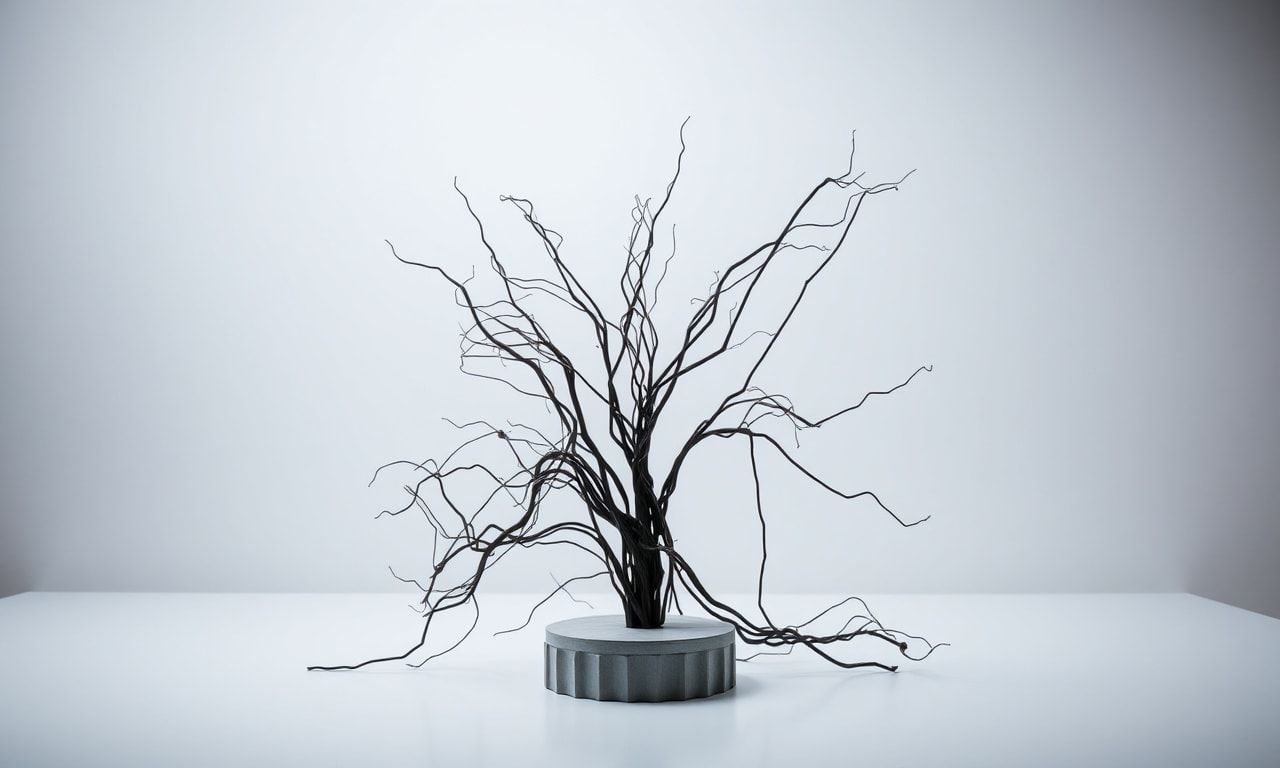
The Evolution of Art in the Digital Age
The art world has always been a dynamic and evolving landscape, but the advent of technology has brought about a revolutionary change. From digital painting to virtual reality installations, artists are now equipped with tools that allow them to push the boundaries of creativity like never before. This article explores how technology is transforming the art world and how artists are adapting to these changes.
The Impact of Technology on Artistic Expression
Technology has opened up new avenues for artistic expression. Digital art, for instance, has gained significant popularity, allowing artists to create intricate designs and illustrations using software like Adobe Photoshop and Procreate. These tools offer a level of precision and flexibility that traditional mediums cannot match. Moreover, the rise of 3D printing has enabled artists to bring their digital creations to life in three dimensions, adding a new layer of depth to their work.
Artists are also leveraging technology to reach a global audience. Social media platforms like Instagram and Pinterest have become virtual galleries where artists can showcase their work and connect with art enthusiasts worldwide. This democratization of art has made it easier for emerging artists to gain recognition and build a following.
The Role of Virtual Reality in Art
Virtual reality (VR) is one of the most exciting developments in the art world. VR allows artists to create immersive environments that viewers can explore and interact with. This technology has given rise to a new genre of art known as immersive art, which blurs the lines between the physical and digital worlds. Artists like teamLab have gained international acclaim for their VR installations, which transform spaces into dynamic, interactive experiences.
VR is not just limited to visual art. Musicians and performers are also using VR to create immersive concerts and performances. This technology allows audiences to experience live events from the comfort of their homes, breaking down geographical barriers and making art more accessible.
The Future of Art: Predictions and Trends
The future of art is bright and filled with possibilities. One of the most anticipated trends is the integration of artificial intelligence (AI) into the creative process. AI algorithms can analyze vast amounts of data to generate unique artworks, offering artists new tools to explore their creativity. While some may argue that AI cannot replace the human touch, it can certainly complement and enhance the artistic process.
Another trend to watch out for is the increasing use of augmented reality (AR) in art. AR allows artists to overlay digital elements onto the real world, creating a seamless blend of physical and virtual art. This technology has the potential to revolutionize public art installations, making them more interactive and engaging for viewers.
As we look ahead, it is clear that technology will continue to play a pivotal role in shaping the art world. Artists who embrace these advancements will be at the forefront of this exciting evolution, pushing the boundaries of creativity and redefining what art can be.
The Intersection of Art and Everyday Life
Art is not confined to galleries and museums; it is an integral part of our daily lives. From the design of our homes to the cars we drive, art influences our surroundings in subtle yet significant ways. For instance, the Honda Civic tech features and updates for 2026 showcase how automotive design has evolved to incorporate artistic elements, making vehicles not just functional but also aesthetically pleasing.
In the realm of interior design, artists collaborate with designers to create spaces that are both functional and visually appealing. The use of color, texture, and form in interior design can transform a simple room into a work of art. This intersection of art and design is evident in the work of renowned designers like Philippe Starck and Kelly Wearstler, who blend artistic vision with practicality.
The Role of Art in Cultural Exchange
Art has always been a powerful tool for cultural exchange. It allows people from different backgrounds to share their stories, traditions, and perspectives. In a world that is becoming increasingly interconnected, art serves as a bridge that connects diverse cultures and fosters understanding and appreciation.
Art festivals and exhibitions play a crucial role in promoting cultural exchange. Events like the Venice Biennale and the Documenta exhibition in Kassel bring together artists from around the world, providing a platform for dialogue and collaboration. These events not only showcase the diversity of artistic expressions but also highlight the universal themes that unite us.
In conclusion, the intersection of art and technology is paving the way for a new era of creativity. As artists continue to explore the possibilities offered by digital tools and immersive technologies, the art world will undoubtedly witness groundbreaking innovations. The future of art is not just about creating beautiful images; it is about pushing the boundaries of what is possible and redefining the very essence of creativity.
Delve into the vibrant intersection of creativity and culture with our latest feature, exploring the art world’s heart, a captivating journey through visual arts and design.
To reignite your creative spark, consider connecting with nature through camping, an experience that can deeply influence your artistic perspective and cultural awareness.
To infuse more creativity into your daily life, explore our latest piece tips for enhancing everyday moments, where we delve into how art and design can spark joy and inspiration in the mundane.