The Birth of Street Art
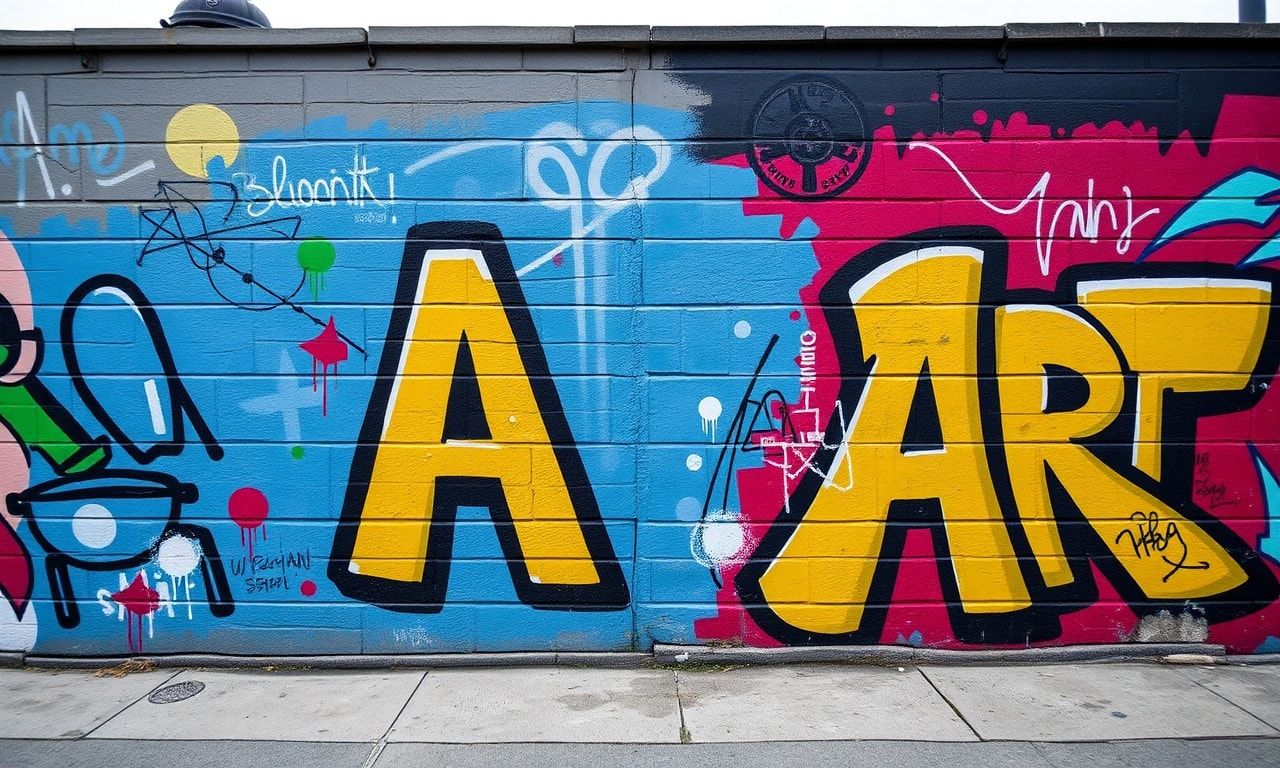
Street art, a term that encompasses various forms of visual art created in public locations, has a rich and complex history. Its origins can be traced back to ancient civilizations, but the modern form emerged in the late 20th century. Initially perceived as vandalism, street art has evolved into a respected and valued cultural expression. The transition from graffiti to street art marked a significant shift in how society views public art.
The Transition from Graffiti to Street Art
The 1960s and 1970s saw the rise of graffiti in major cities like New York and Philadelphia. Graffiti artists, often referred to as writers, used spray paint to mark their territory and express themselves. This form of art was initially seen as a nuisance and a sign of urban decay. However, as the art form evolved, it began to incorporate more complex designs and messages, leading to the emergence of street art. Street art is characterized by its use of various mediums, including stencils, wheatpaste posters, and stickers, and its focus on social and political commentary.
Street Art as a Cultural Phenomenon
Street art has become a global phenomenon, with artists from all over the world contributing to its growth and evolution. Cities like Berlin, London, and Melbourne have become hubs for street art, attracting artists and enthusiasts alike. The art form has also gained recognition in the mainstream art world, with galleries and museums showcasing street art exhibitions. This shift in perception has led to a greater appreciation of street art as a legitimate form of artistic expression.
For those interested in exploring the cultural impact of street art, popular articles recommended reading provide a wealth of information. These articles delve into the history, techniques, and cultural significance of street art, offering a comprehensive understanding of the art form.
The Role of Technology in Street Art
Technology has played a significant role in the evolution of street art. The advent of the internet and social media platforms has allowed artists to share their work with a global audience, gaining recognition and exposure. Digital tools and software have also enabled artists to create more complex and intricate designs, pushing the boundaries of what is possible in street art. Additionally, technology has facilitated the use of augmented reality and interactive installations, adding a new dimension to the art form.
Notable Street Artists
Several street artists have gained international recognition for their work, contributing to the art form’s legitimacy and popularity. Artists like Banksy, Shepard Fairey, and Keith Haring have become household names, with their work commanding high prices at auctions and exhibitions. These artists have used their platforms to address social and political issues, raising awareness and sparking conversations about important topics.
The Future of Street Art
The future of street art looks promising, with the art form continuing to evolve and gain recognition. As technology advances, artists will have access to new tools and mediums, allowing them to create even more innovative and impactful works. The growing acceptance of street art in the mainstream art world also bodes well for its future, as more galleries and museums are likely to showcase street art exhibitions. Additionally, the increasing focus on public art initiatives and urban revitalization projects will provide more opportunities for street artists to showcase their work and engage with communities.
Conclusion
Street art has come a long way from its humble beginnings as graffiti. Its evolution into a respected and valued cultural expression is a testament to the power of art to challenge perceptions and inspire change. As street art continues to gain recognition and popularity, it will undoubtedly play an increasingly important role in shaping our cultural landscape. Whether you’re an art enthusiast or simply curious about this vibrant and dynamic art form, exploring the world of street art is sure to be a rewarding experience.