The Evolution of Art in Urban Landscapes
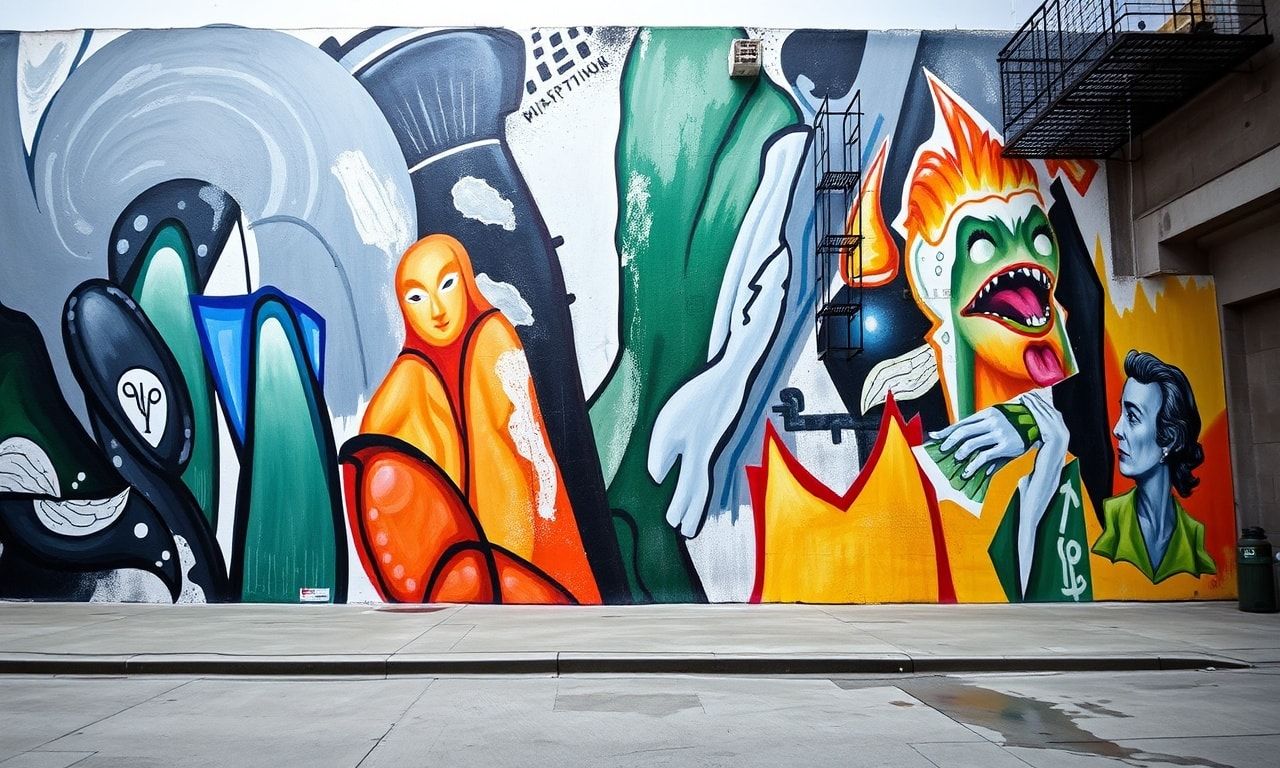
The relationship between art and urban development has always been a symbiotic one. Cities around the world are increasingly recognizing the power of art to transform public spaces, foster community engagement, and drive economic growth. From murals that tell the story of a neighborhood to sculptures that serve as landmarks, art is playing a pivotal role in shaping the identity of modern cities.
In recent years, there has been a notable shift towards integrating art into urban planning. This trend is not only about aesthetics but also about creating inclusive spaces that reflect the cultural diversity and heritage of the communities they serve. Cities like Barcelona, Berlin, and Melbourne have set benchmarks with their innovative approaches to public art, proving that creativity can be a catalyst for urban regeneration.
The Role of Public Art in Community Building
Public art has the unique ability to bring people together. It serves as a focal point for community gatherings, fosters a sense of belonging, and encourages dialogue. For instance, the Lisburn development projects update highlights how local artists are being commissioned to create installations that reflect the history and aspirations of the community. These projects not only beautify the urban landscape but also provide a platform for local artists to showcase their talent.
Moreover, public art projects often involve community participation, making them a collaborative effort. This inclusive approach ensures that the art resonates with the people who live in the area, creating a stronger connection between the community and their surroundings. It’s a testament to the power of art in building social cohesion and cultural identity.
Art as an Economic Driver
The economic impact of art in urban development cannot be overstated. Artistic projects attract tourists, increase property values, and stimulate local businesses. Cities that invest in public art often see a boost in their cultural tourism, as visitors are drawn to unique and visually appealing destinations.
For example, the street art scene in cities like Lisbon and Buenos Aires has become a major tourist attraction, bringing in millions of visitors each year. These cities have successfully leveraged art to create a vibrant cultural economy, benefiting both local artists and businesses. Additionally, the presence of public art can enhance the quality of life for residents, making urban areas more attractive places to live and work.
The Challenges and Opportunities
While the benefits of integrating art into urban development are clear, there are also challenges to consider. Funding, maintenance, and the potential for gentrification are all factors that need to be carefully managed. Ensuring that public art projects are sustainable and inclusive is crucial to their long-term success.
One way to address these challenges is through public-private partnerships. By collaborating with local businesses, cultural institutions, and community organizations, cities can pool resources and expertise to create impactful art projects. This collaborative approach not only spreads the financial burden but also ensures that the art reflects the diverse voices of the community.
The Future of Art in Urban Development
The future of art in urban development looks promising. As cities continue to grow and evolve, the demand for creative solutions to urban challenges will only increase. Emerging technologies like augmented reality and digital art installations are opening up new possibilities for public art, making it more interactive and immersive.
Furthermore, there is a growing recognition of the need for sustainable and eco-friendly art practices. Artists and urban planners are increasingly collaborating to create art that is not only visually appealing but also environmentally responsible. This shift towards sustainability is a positive step towards ensuring that public art projects are beneficial for both people and the planet.
In conclusion, the intersection of art and urban development is a dynamic and evolving field. By embracing creativity and innovation, cities can transform their urban landscapes into vibrant, inclusive, and sustainable spaces. The examples set by cities around the world serve as inspiration for the future, demonstrating the power of art to shape our cities and our lives.
Delve into the world of inclusive creativity with our guide on cultural sensitivity in education, a must-read for artists and designers seeking to broaden their cultural horizons.
Delve into the captivating intersection of creativity and culture with our latest feature, a journey through art’s world, and discover the profound connections that inspire visual arts and design.
Delve into the vibrant dialogue between creativity and tradition with our latest feature, art’s global cultural impact, a captivating exploration of contemporary artistic expressions.