The Intersection of Weather and Art
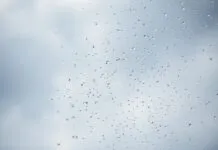
The relationship between weather and art is a fascinating and often overlooked aspect of cultural expression. Artists throughout history have drawn inspiration from the natural world, and weather patterns have played a significant role in shaping their creative processes. From the stormy seas depicted in J.M.W. Turner’s paintings to the serene landscapes of Claude Monet, weather has been a constant muse for artists. Understanding this connection can provide deeper insights into the artistic process and the cultural significance of weather in our lives.
The Impact of Weather on Artistic Techniques
Weather conditions have directly influenced the techniques and materials used by artists. For instance, the impressionist movement, which flourished in the late 19th century, was heavily influenced by the changing light and weather conditions. Artists like Monet and Renoir often painted en plein air, capturing the fleeting effects of light and weather on their canvases. This approach required quick, loose brushstrokes and a focus on capturing the essence of a moment rather than meticulous detail.
In contrast, artists working in regions with more stable weather conditions, such as the Renaissance masters in Italy, often focused on intricate details and precise techniques. The clear, bright light of the Mediterranean allowed for a more controlled and deliberate approach to painting. This contrast highlights how weather can shape not only the subject matter but also the technical aspects of artistic creation.
Weather as a Cultural Symbol
Weather has also served as a powerful symbol in art, reflecting cultural attitudes and historical events. For example, stormy weather often symbolizes turmoil, conflict, or emotional upheaval. The famous painting “The Storm” by Ivan Aivazovsky depicts a turbulent sea, reflecting the chaos and unpredictability of life. Similarly, sunny and clear skies are often associated with peace, prosperity, and happiness. Understanding these symbolic associations can provide a deeper appreciation of the cultural context in which art is created.
In some cultures, weather patterns are deeply intertwined with religious and spiritual beliefs. For instance, in ancient Egyptian art, the Nile River’s flooding was a crucial event that brought fertility and life to the land. Artists depicted this natural phenomenon in their works, reflecting the importance of weather in their daily lives and spiritual practices. This connection between weather and culture is a testament to the universal influence of natural elements on human creativity.
Modern Art and Weather
In contemporary art, weather continues to be a source of inspiration and a medium for artistic expression. Artists today use a variety of techniques and materials to capture the essence of weather in their works. For example, some artists use digital technology to create dynamic, interactive installations that respond to real-time weather data. These installations can change in response to temperature, humidity, and other atmospheric conditions, creating a unique and immersive experience for viewers.
Additionally, artists often incorporate weather-related elements into their works to comment on environmental issues. Climate change, in particular, has become a significant theme in contemporary art. Artists use their works to raise awareness about the impact of weather patterns on the environment and to advocate for sustainable practices. This intersection of art and environmental activism highlights the ongoing relevance of weather as a source of inspiration and a catalyst for social change.
Weather Forecasting and Art
For artists who work outdoors, staying informed about weather conditions is crucial. Knowing when to expect rain, wind, or extreme temperatures can help artists plan their projects and ensure the longevity of their materials. For those in Central Texas, checking the Central Texas weather forecast today can be an essential part of their creative process. By understanding the weather patterns in their region, artists can better prepare for the challenges and opportunities that each season brings.
Weather forecasting has also influenced the way artists approach their work. For instance, some artists may choose to work during specific times of the day or year to capture the unique light and atmospheric conditions. Others may use weather data to inform the subject matter of their works, creating pieces that reflect the changing seasons and weather patterns. This integration of weather forecasting into the artistic process demonstrates the ongoing connection between nature and creativity.
Conclusion
The influence of weather on art is a multifaceted and enduring aspect of cultural expression. From the techniques and materials used by artists to the symbolic meanings embedded in their works, weather plays a crucial role in shaping the artistic landscape. Understanding this connection can provide a deeper appreciation of the creative process and the cultural significance of weather in our lives. As artists continue to draw inspiration from the natural world, the relationship between weather and art will remain a vital and dynamic aspect of human creativity.