The Art of Assemblage: An Introduction
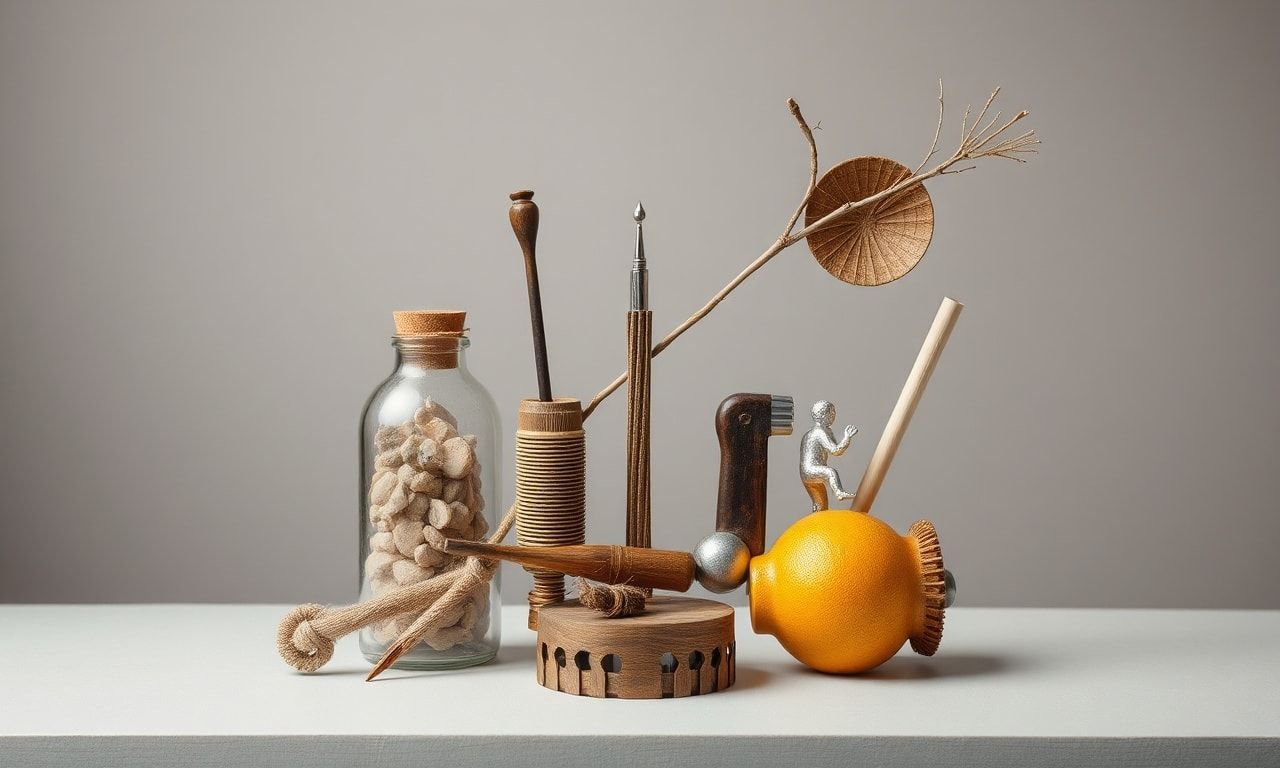
Assemblage art is a creative process that involves combining everyday objects to form a cohesive piece of art. This form of art has its roots in the early 20th century and has since evolved into a diverse and dynamic genre. Artists who practice assemblage often use found objects, discarded materials, and everyday items to create something entirely new and unique. The beauty of assemblage lies in its ability to transform the mundane into the extraordinary, turning everyday objects into pieces of art that tell a story.
The History and Evolution of Assemblage Art
The origins of assemblage art can be traced back to the early 20th century, with pioneers like Pablo Picasso and Marcel Duchamp experimenting with found objects and ready-made items. The term ‘assemblage’ was first coined by Jean Dubuffet in the 1950s to describe a new form of art that involved combining various materials and objects. Since then, assemblage has grown into a recognized art form with numerous artists contributing to its development. Today, assemblage art encompasses a wide range of styles and techniques, from three-dimensional sculptures to intricate collages.
Key Figures in Assemblage Art
Several artists have made significant contributions to the world of assemblage art. Joseph Cornell, for example, is known for his shadow boxes that combine found objects and images to create dreamlike scenes. Robert Rauschenberg’s ‘combines’ are another notable example, blending painting and sculpture with found objects. These artists, among many others, have helped to shape the landscape of assemblage art, inspiring new generations of creators to explore this unique and expressive medium.
The Creative Process: From Concept to Creation
Creating an assemblage piece involves several steps, from conceptualization to the final assembly. The first step is to gather materials, which can include anything from old photographs and fabric scraps to metal pieces and wood. Artists often spend a considerable amount of time collecting and organizing their materials, looking for items that resonate with their artistic vision. Once the materials are gathered, the next step is to plan the composition. This involves arranging the objects in a way that creates a cohesive and visually appealing piece. The final step is the assembly process, where the objects are permanently attached to a base or frame using various techniques and materials.
Tools and Materials
When it comes to assemblage art, the possibilities are endless. Artists can use a wide range of materials, including wood, metal, fabric, paper, and found objects. In addition to the materials, there are several tools that can be useful in the creation process. For example, a good pair of pliers, wire cutters, and a soldering iron can be essential for working with metal. For those who prefer to work with wood, a saw, hammer, and nails are essential. When it comes to kampalanları montaj malzemeleri, having a variety of clamps, screws, and brackets can be incredibly helpful in securing objects in place. The key is to have a well-stocked toolkit that allows for flexibility and creativity in the assembly process.
The Cultural Significance of Assemblage Art
Assemblage art holds a significant place in the cultural landscape, reflecting the values and experiences of the artists and the communities they come from. By using found objects and everyday materials, assemblage artists often explore themes of identity, memory, and history. The art form also serves as a commentary on consumer culture and the environment, highlighting the beauty that can be found in discarded and overlooked items. Through their work, assemblage artists challenge conventional notions of art and invite viewers to see the world in a new light.
Assemblage Art and Sustainability
In an era of increasing environmental awareness, assemblage art has taken on a new relevance. By repurposing and reusing materials, assemblage artists contribute to a more sustainable art practice. This form of art encourages viewers to think about the lifecycle of objects and the impact of consumer culture on the environment. Through their work, assemblage artists promote a more mindful and sustainable approach to art and life, inspiring others to see the potential in everyday objects and materials.
Tips for Aspiring Assemblage Artists
If you’re interested in exploring assemblage art, there are several tips to keep in mind. First, start by gathering a variety of materials and objects that inspire you. This could include anything from old books and photographs to metal pieces and fabric scraps. Next, experiment with different techniques and tools to see what works best for you. Don’t be afraid to try new things and take risks. Finally, be patient and persistent. Assemblage art is a process that requires time and dedication, but the results can be incredibly rewarding.
Assemblage art is a fascinating and dynamic form of artistic expression that invites viewers to see the world in a new light. By combining everyday objects and materials, assemblage artists create pieces that are both visually stunning and deeply meaningful. Whether you’re an aspiring artist or simply appreciate the beauty of assemblage art, there’s always more to discover and explore in this unique and captivating art form.
Delve into the world of visual arts and discover the significance of maintaining creative spaces in our recommended read, the importance of art camps.
To ensure your creative tools remain in top condition, explore our comprehensive guide to equipment maintenance, tailored for artists and designers.
Delve into the vibrant world of Kampal with our latest feature, uncovering Kampal’s creative essence, a celebration of artistic expression and cultural richness.