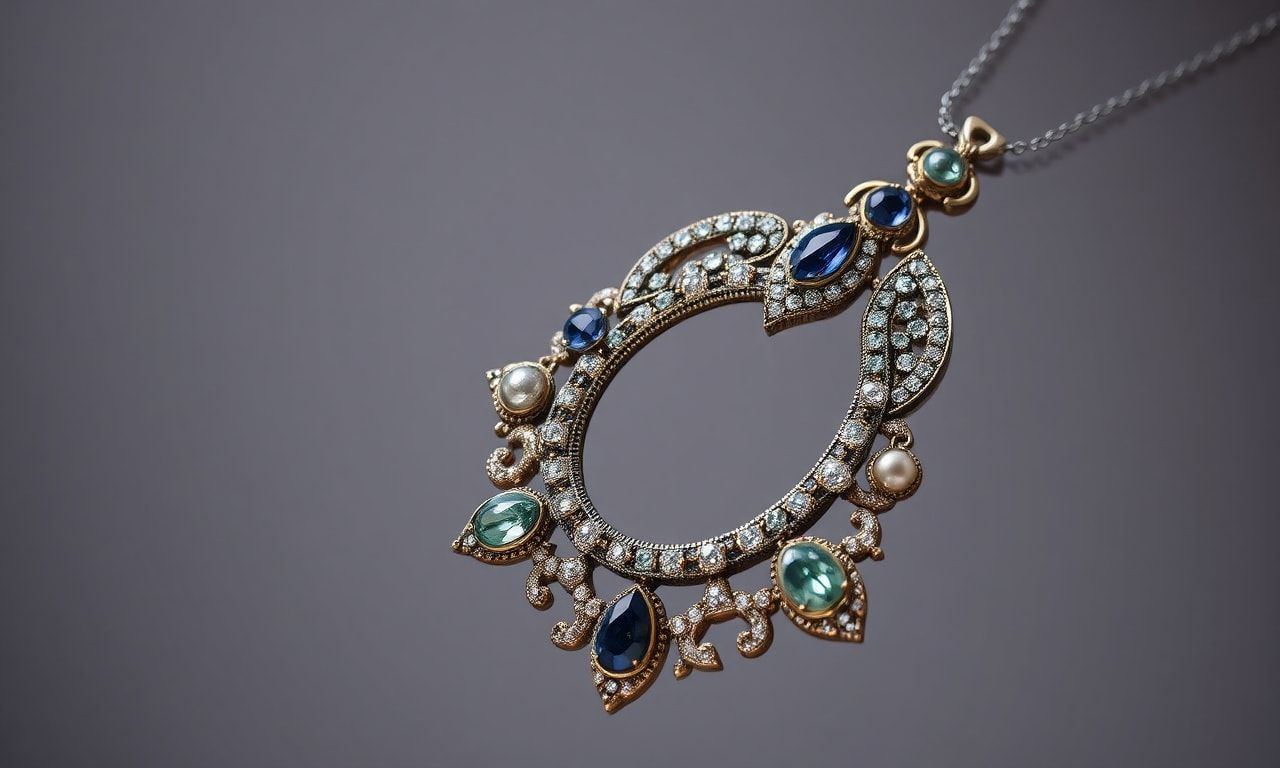
The Timeless Dance of Jewelry and Art
The world of visual arts is a vast and intricate landscape, where various forms of creative expression intertwine to form a rich tapestry of culture and history. Among these forms, jewelry stands out as a unique blend of functionality and artistry, serving as both a personal adornment and a canvas for artistic expression. The relationship between jewelry and visual arts is a symbiotic one, with each influencing and inspiring the other in countless ways.
The Evolution of Jewelry as an Art Form
Jewelry has been an integral part of human civilization since time immemorial. From the simple shells and bones used by our ancestors to the intricate designs of today, jewelry has evolved alongside the visual arts, reflecting the cultural, social, and technological advancements of each era. Ancient civilizations such as the Egyptians, Greeks, and Romans were pioneers in the art of jewelry making, using precious metals and gemstones to create pieces that were not only beautiful but also imbued with symbolic meaning.
As the centuries progressed, jewelry design became increasingly sophisticated, with artists drawing inspiration from various artistic movements. The Renaissance period, for instance, saw a resurgence of classical themes, while the Art Nouveau movement of the late 19th and early 20th centuries celebrated nature and organic forms. Today, contemporary jewelry designers continue to push the boundaries of creativity, incorporating innovative materials and techniques to create pieces that challenge traditional notions of beauty and artistry.
The Influence of Visual Arts on Jewelry Design
The influence of visual arts on jewelry design is evident in the way artists use color, form, and texture to create pieces that are not only visually stunning but also emotionally resonant. Painters, sculptors, and other visual artists often collaborate with jewelers to bring their artistic visions to life, resulting in unique and captivating pieces that blur the lines between different art forms. For example, a painter might create a miniature masterpiece on a small canvas, which is then transformed into a wearable piece of art by a skilled jeweler.
Moreover, the principles of design and composition that govern the visual arts are equally applicable to jewelry making. Artists must consider factors such as balance, proportion, and harmony when creating a piece of jewelry, ensuring that the final product is both aesthetically pleasing and functional. This interplay between form and function is a hallmark of great art, and it is a key aspect of what makes jewelry such a fascinating and dynamic art form.
Exploring Techniques and Materials
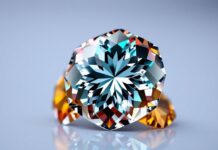
Jewelry making encompasses a wide range of techniques and materials, each offering its own unique challenges and opportunities for artistic expression. Metals such as gold, silver, and platinum are commonly used in jewelry making, as they are durable, malleable, and can be easily worked into intricate designs. Gemstones, on the other hand, add a touch of color and sparkle to a piece, with each stone possessing its own unique properties and symbolism.
In addition to traditional materials, contemporary jewelers are increasingly experimenting with unconventional materials such as glass, wood, and even recycled materials. These materials offer new possibilities for artistic expression, allowing designers to create pieces that are not only beautiful but also environmentally conscious. Techniques such as lost-wax casting, enameling, and granulation are also employed to create intricate and detailed designs that showcase the skill and craftsmanship of the artist.
The Art of Layering: Creating Harmonious Combinations
One of the most exciting aspects of jewelry is the ability to layer and combine different pieces to create a unique and personalized look. Layering necklaces, for example, is a popular trend that allows individuals to express their individuality and creativity. When done correctly, layering can create a harmonious and visually stunning effect that draws the eye and adds depth to an outfit. To achieve this, it is important to consider factors such as length, style, and color when selecting pieces to layer. For those looking to master the art of layering, resources such as how to layer necklaces with pendants can provide valuable insights and inspiration.
Similarly, stacking rings and bracelets can create a bold and eye-catching statement, while mixing and matching earrings can add a touch of whimsy and playfulness to a look. The key to successful layering is to strike a balance between cohesion and contrast, ensuring that the pieces complement each other without overpowering the overall effect. By experimenting with different combinations and techniques, individuals can create a unique and personalized jewelry collection that reflects their individual style and personality.
The Cultural Significance of Jewelry
Jewelry is not only a form of artistic expression but also a powerful cultural symbol. Throughout history, jewelry has been used to convey social status, religious beliefs, and personal identity. In many cultures, jewelry is an integral part of traditional ceremonies and rituals, serving as a tangible link to the past and a means of preserving cultural heritage. For example, in Indian culture, jewelry plays a significant role in weddings and other religious ceremonies, with each piece holding a specific meaning and symbolism.
Similarly, in African cultures, jewelry is often used to signify tribal affiliation, age, and marital status. The intricate beadwork and patterns found in African jewelry are not only beautiful but also carry deep cultural significance, reflecting the rich history and traditions of the continent. By exploring the cultural significance of jewelry, we gain a deeper appreciation for the art form and the role it plays in shaping our collective identity.
Conclusion: Celebrating the Art of Jewelry
The world of jewelry is a testament to the power of human creativity and the enduring appeal of visual arts. From its humble beginnings as a simple adornment to its current status as a sophisticated and dynamic art form, jewelry continues to captivate and inspire us. By understanding the techniques, materials, and cultural significance of jewelry, we can gain a deeper appreciation for the art form and the role it plays in our lives. Whether you are a seasoned jewelry enthusiast or a newcomer to the world of adornment, there is always something new and exciting to discover in the art of jewelry.
Delve into the vibrant world of Sheffield’s arts with our latest feature, Sheffield’s creative heart beats strong, where tradition meets contemporary flair.
Discover the intricate artistry and cultural significance of Indian jewelry by exploring the role of ornaments in Indian culture, a captivating journey through tradition and design.
As we navigate the ever-evolving world of visual arts and design, it’s fascinating to see how fashion trends can inspire and influence our creative processes; delve into 2023’s key fashion movements to spark your next artistic endeavor.