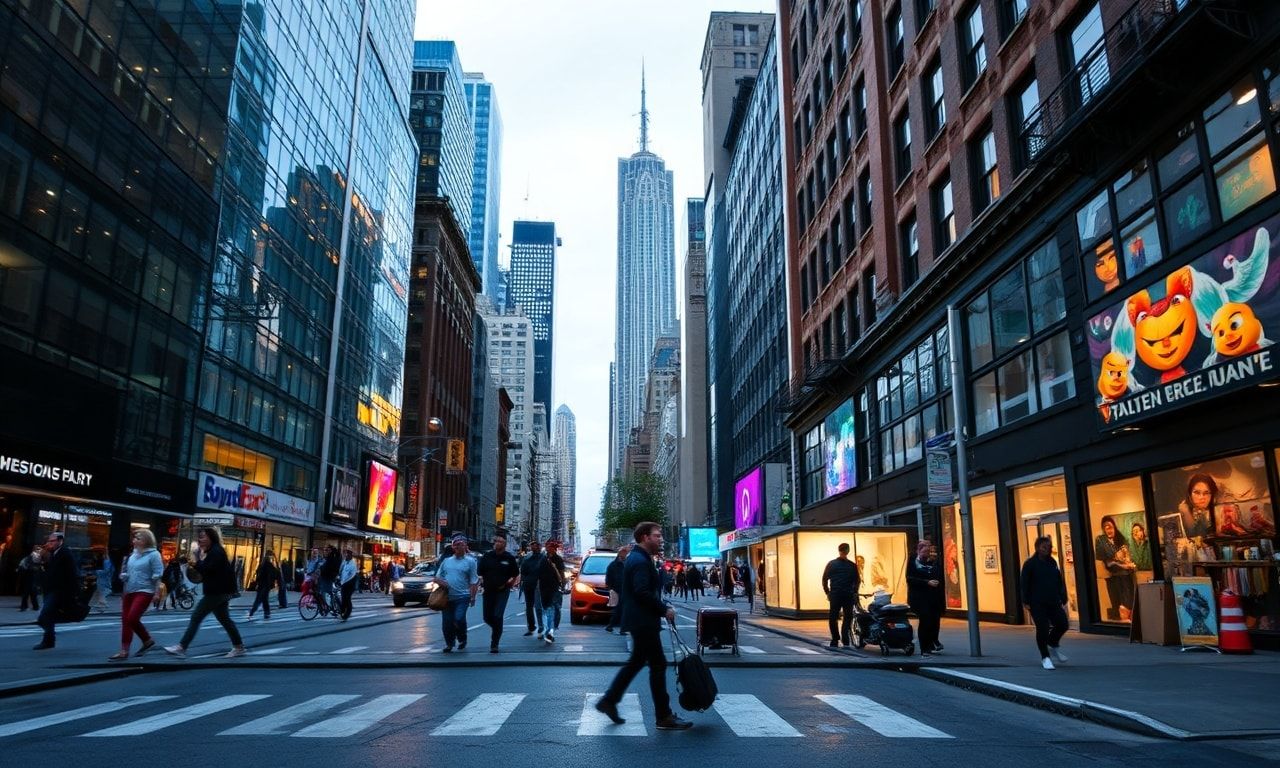
The Artistic Pulse of New York City
New York City, often referred to as the cultural capital of the world, is a melting pot of artistic expressions and creative endeavors. From the towering skyscrapers that punctuate its skyline to the vibrant street art that adorns its walls, the city is a canvas that never ceases to inspire. The visual arts in NYC are as diverse as its inhabitants, offering a rich tapestry of experiences that cater to every artistic sensibility.
The Evolution of Street Art in NYC
Street art has long been a significant part of New York City’s artistic landscape. What began as a form of rebellion and self-expression has evolved into a recognized art form that attracts tourists and art enthusiasts from around the globe. The streets of NYC are a gallery without walls, where artists like Jean-Michel Basquiat and Keith Haring once made their marks. Today, contemporary artists continue to push the boundaries of street art, transforming urban spaces into open-air museums.
One of the most iconic locations for street art in NYC is the Bowery Wall. This ever-changing mural, located in the heart of the city, has been a canvas for some of the world’s most renowned street artists. Each mural tells a story, reflecting the cultural and social dynamics of the city at any given time. The Bowery Wall is not just a piece of art; it is a testament to the city’s commitment to fostering creativity and embracing the unconventional.
The Role of Museums in Shaping Artistic Discourse
New York City is home to some of the world’s most prestigious museums, each playing a crucial role in shaping the artistic discourse. The Metropolitan Museum of Art, often referred to as The Met, is a treasure trove of art spanning over 5,000 years. From ancient Egyptian artifacts to contemporary masterpieces, The Met offers a comprehensive journey through the history of art. The Museum of Modern Art (MoMA), on the other hand, focuses on modern and contemporary art, showcasing works by artists like Vincent van Gogh, Pablo Picasso, and Andy Warhol.
The Guggenheim Museum, with its distinctive architecture, is another gem in NYC’s artistic crown. Designed by Frank Lloyd Wright, the museum itself is a work of art. Its spiral ramp allows visitors to experience art in a unique, immersive way. The Guggenheim’s collection includes works by artists like Wassily Kandinsky, Jackson Pollock, and Robert Motherwell, making it a must-visit for any art enthusiast.
The Influence of Art on NYC’s Culinary Scene
The intersection of art and culture in NYC extends beyond galleries and museums. The city’s culinary scene is deeply influenced by its artistic heritage. From the design of restaurants to the presentation of dishes, art plays a significant role in creating memorable dining experiences. For instance, the best Thanksgiving dining in NYC 2026 is likely to feature not just delectable dishes but also artistic presentations that elevate the dining experience to an art form.
Restaurants like Eleven Madison Park, which has been consistently ranked among the world’s best, blend culinary artistry with innovative cooking techniques. The restaurant’s tasting menus are not just meals; they are immersive experiences that engage all the senses. The presentation of each dish is a work of art, reflecting the chef’s creativity and attention to detail. This fusion of art and cuisine is a testament to NYC’s unique cultural landscape.
The Impact of Art on Urban Design
Art also plays a crucial role in shaping the urban design of New York City. Public art installations, architectural marvels, and innovative design projects contribute to the city’s aesthetic appeal. The High Line, for example, is a unique public park built on a historic freight rail line elevated above the streets on Manhattan’s West Side. This linear park features a variety of art installations, gardens, and seating areas, offering a serene escape from the bustling city life.
The High Line is not just a park; it is a testament to the power of art in transforming urban spaces. The park’s design incorporates elements of nature, art, and architecture, creating a harmonious blend that enhances the city’s aesthetic appeal. The High Line is a prime example of how art can be integrated into urban planning to create spaces that are both functional and beautiful.
The Future of Art in NYC
The future of art in New York City looks promising, with a new generation of artists pushing the boundaries of creativity. Emerging artists are exploring new mediums and techniques, from digital art to augmented reality, to create immersive and interactive experiences. The city’s commitment to fostering creativity is evident in its support for art initiatives and cultural events.
Art festivals like Armory Show and Frieze New York bring together artists, collectors, and enthusiasts from around the world. These events provide a platform for emerging artists to showcase their work and engage with a global audience. The city’s vibrant art scene is a testament to its commitment to nurturing creativity and embracing innovation.
In conclusion, New York City’s artistic landscape is as diverse as its inhabitants. From street art to museums, from culinary artistry to urban design, art plays a crucial role in shaping the city’s cultural identity. The city’s commitment to fostering creativity ensures that it remains a hub for artistic expression and innovation. Whether you are an art enthusiast or a casual visitor, NYC offers a rich tapestry of artistic experiences that are sure to inspire and captivate.