The Power of Art in Political Discourse
The world of art has always been a powerful medium for expressing political views and driving social change. From the revolutionary murals of Diego Rivera to the provocative works of Banksy, artists have used their creativity to challenge norms, question authority, and inspire movements. Art has the unique ability to transcend language barriers and communicate complex political ideas in a way that is both accessible and impactful.
In recent years, the intersection of art and politics has become even more pronounced, with artists playing a crucial role in shaping public opinion and influencing political discourse. Whether through street art, digital media, or traditional fine art, artists are using their platforms to address issues such as inequality, climate change, and human rights. This article explores the various ways in which art and politics intersect, highlighting the role of artists as agents of change.
The Role of Street Art in Political Activism
Street art has long been a powerful tool for political expression, allowing artists to reach a wide audience and convey messages that might otherwise go unnoticed. The anonymous nature of street art often adds an element of intrigue and mystery, making the art itself a subject of conversation and debate. Artists like Banksy have gained international recognition for their politically charged works, which often critique social and political issues with a blend of humor and irony.
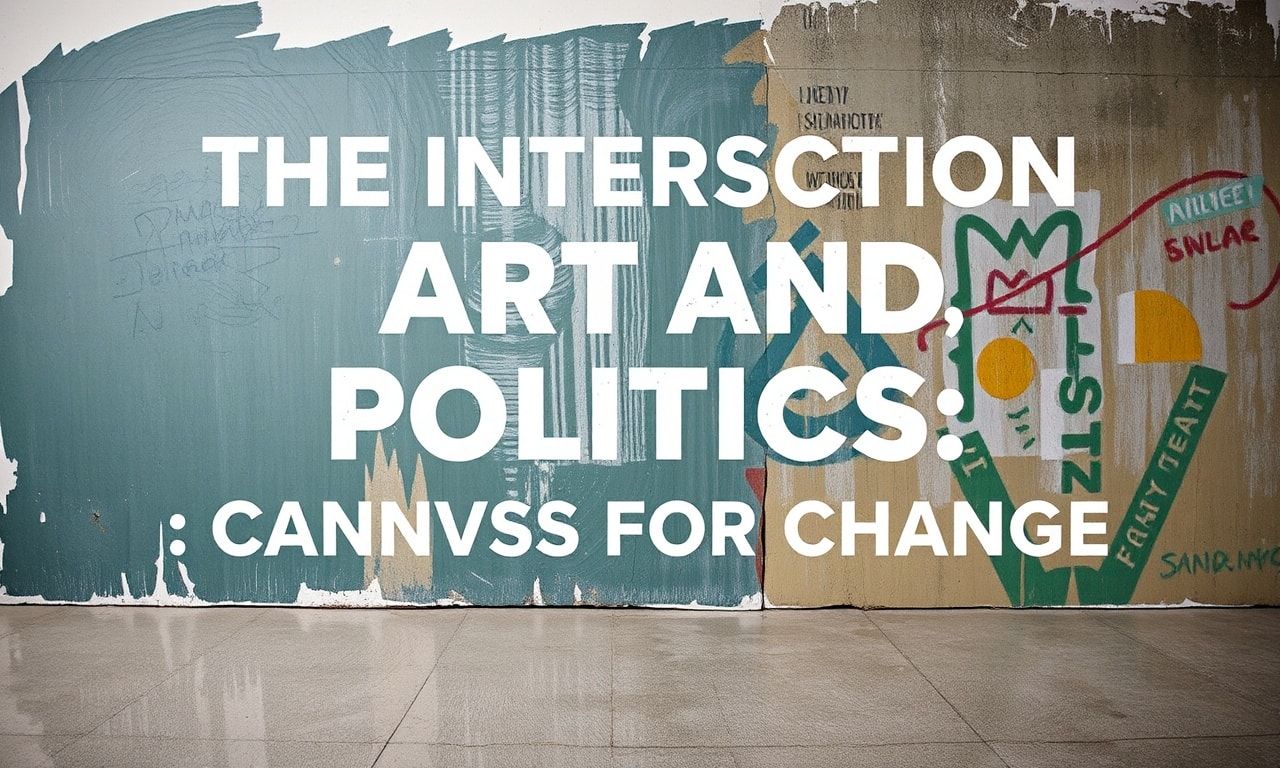
One of the most notable examples of street art’s impact on political discourse is the use of murals in urban areas. These large-scale works can transform public spaces into canvases for political expression, fostering a sense of community and collective identity. Murals can also serve as a form of resistance, challenging oppressive regimes and advocating for social justice. In many cases, street art has been instrumental in mobilizing communities and raising awareness about important political issues.
Art and the Digital Age: The Rise of Digital Activism
The digital age has opened up new avenues for artists to engage with political issues and reach a global audience. Social media platforms, in particular, have become powerful tools for digital activism, allowing artists to share their work and connect with like-minded individuals around the world. Digital art, including illustrations, animations, and interactive installations, has become a prominent medium for political expression, enabling artists to explore complex themes and engage with contemporary issues.
One of the key advantages of digital art is its ability to adapt to different contexts and reach diverse audiences. Artists can use digital tools to create works that are both visually stunning and politically relevant, addressing issues such as climate change, immigration, and human rights. The viral nature of digital content means that these works can quickly gain traction and spark conversations on a global scale. Additionally, digital art often incorporates interactive elements, allowing viewers to engage with the content in a more immersive and meaningful way.
For those interested in staying informed about the latest political developments, political election news updates can provide valuable insights and analysis. Understanding the political landscape is essential for artists who wish to create work that is both relevant and impactful. By staying informed, artists can ensure that their creations resonate with audiences and contribute to meaningful change.
The Influence of Art on Policy and Legislation
Art has the power to influence policy and legislation by raising awareness about important issues and mobilizing public opinion. Artists often collaborate with activists, policymakers, and community leaders to create works that advocate for social and political change. These collaborations can result in powerful campaigns that draw attention to pressing issues and inspire action.
One notable example of art’s influence on policy is the use of visual art in advocacy campaigns. Artworks that address issues such as climate change, inequality, and human rights can be used to educate the public and galvanize support for policy reforms. By presenting complex issues in a visually compelling way, artists can help to simplify and humanize these topics, making them more accessible to a broader audience.
Artists can also use their platforms to advocate for specific policies or legislation. By creating works that highlight the importance of particular issues, artists can help to build momentum for change and encourage policymakers to take action. In some cases, art has been instrumental in shaping public opinion and influencing the outcome of political elections. The power of art to inspire and mobilize people cannot be underestimated, and its role in shaping policy and legislation continues to grow.
Art as a Tool for Healing and Reconciliation
Art has long been recognized for its therapeutic benefits, and its role in healing and reconciliation is increasingly being acknowledged. Artists can use their work to address historical injustices, promote understanding, and foster dialogue between different communities. By creating works that explore themes of trauma, resilience, and hope, artists can help to heal wounds and build bridges between people.
One of the most powerful examples of art’s role in healing and reconciliation is its use in post-conflict societies. Artists can create works that address the legacies of war and violence, helping to process collective trauma and promote healing. By providing a space for reflection and dialogue, art can play a crucial role in the reconciliation process, fostering understanding and empathy between different groups.
Art can also be used to address contemporary issues such as racism, sexism, and homophobia. By creating works that challenge stereotypes and promote inclusivity, artists can help to create a more just and equitable society. The power of art to inspire change and promote healing is a testament to its enduring relevance and importance in the political sphere.
Conclusion: The Enduring Relevance of Art in Political Discourse
The intersection of art and politics is a rich and complex field, encompassing a wide range of mediums and approaches. From street art to digital activism, artists continue to play a crucial role in shaping political discourse and driving social change. By using their creativity and vision, artists can challenge norms, question authority, and inspire movements that promote justice, equality, and human rights.
As the world continues to grapple with pressing political issues, the role of art in addressing these challenges will only grow in importance. Artists have a unique ability to communicate complex ideas in a way that is both accessible and impactful, making them invaluable allies in the fight for a more just and equitable world. By staying informed and engaged, artists can ensure that their work continues to resonate with audiences and contribute to meaningful change.