The Role of Art in Property Management
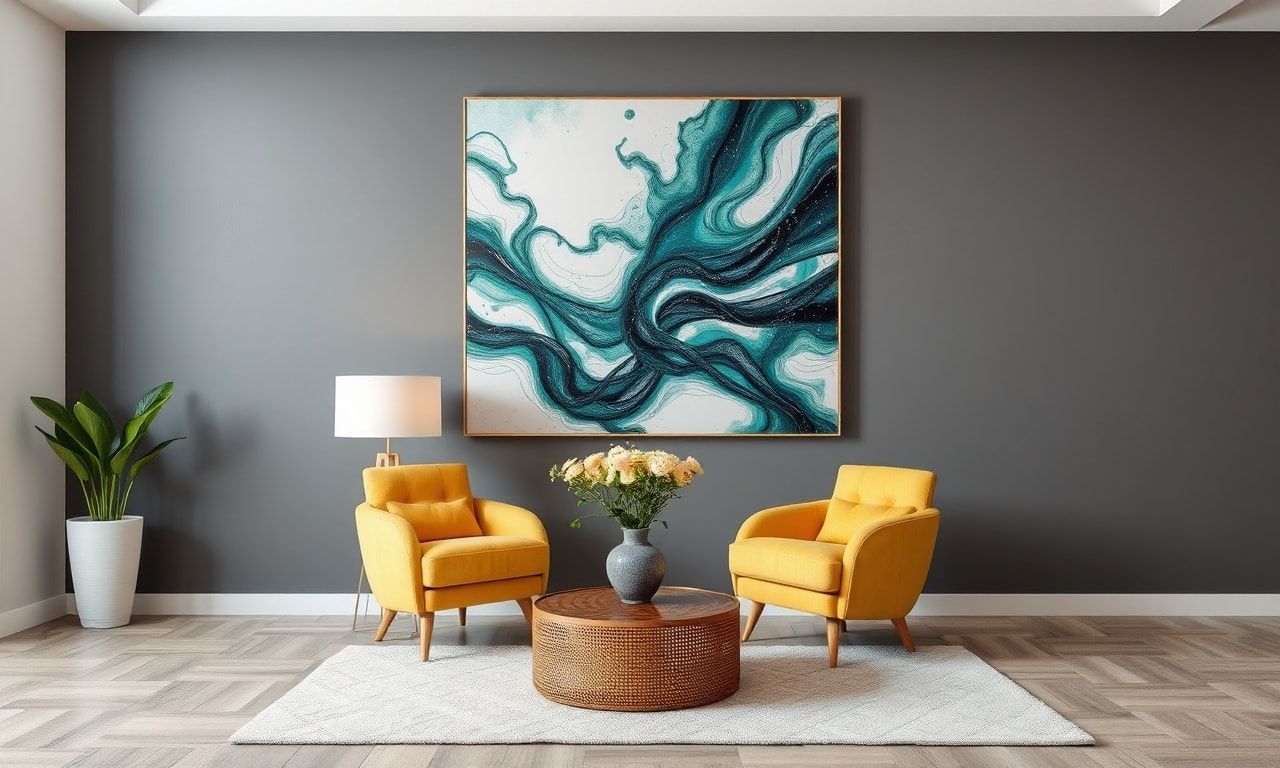
Art has the power to transform spaces, making them more inviting, culturally rich, and visually appealing. For property managers and landlords, integrating art into rental properties can significantly enhance the overall appeal and value of the space. Beyond the aesthetic benefits, art can also foster a sense of community and cultural engagement among tenants. In this article, we explore the various ways art can be incorporated into property management strategies, offering practical property management tips landlords can use to create more vibrant and attractive rental spaces.
The Benefits of Art in Rental Properties
Incorporating art into rental properties offers numerous benefits. Firstly, it enhances the visual appeal of the space, making it more attractive to potential tenants. A well-curated art collection can also reflect the cultural and historical context of the area, adding a layer of depth and authenticity. Additionally, art can serve as a conversation starter, fostering a sense of community among tenants. It can also contribute to the overall ambiance of the property, creating a more welcoming and comfortable environment. For landlords, this can translate into higher tenant satisfaction and longer lease agreements.
Choosing the Right Art for Your Property
Selecting the right art for a rental property involves considering several factors. The style and theme of the art should complement the overall design and decor of the space. It’s also important to choose pieces that are durable and easy to maintain, as rental properties often see a high turnover of tenants. Additionally, the art should be versatile enough to appeal to a wide range of tastes and preferences. Landlords might consider consulting with local artists or art galleries to source unique and affordable pieces that reflect the local culture and community. Another option is to collaborate with tenants to create a rotating art display, allowing for a dynamic and ever-changing gallery within the property.
Incorporating Art into Common Areas
Common areas such as lobbies, hallways, and courtyards are ideal spaces for incorporating art. These areas are often the first impression potential tenants have of the property, making them prime locations for showcasing art. Large-scale murals, sculptures, and installations can create a striking visual impact, while smaller pieces like paintings and photographs can add subtle touches of elegance. Landlords might also consider hosting art exhibitions or cultural events in these common areas, further enhancing the property’s appeal and fostering a sense of community among tenants.
Art as a Marketing Tool
Art can be a powerful marketing tool for property managers and landlords. High-quality photographs and virtual tours that highlight the art in the property can make listings more attractive to potential tenants. Social media platforms can also be used to showcase the art, reaching a wider audience and generating interest in the property. Landlords might consider partnering with local artists or art organizations to create exclusive content that can be shared online, further enhancing the property’s visibility and appeal. By leveraging art as a marketing tool, landlords can differentiate their properties from competitors and attract a more discerning and culturally engaged tenant base.
Maintaining and Updating Art in Rental Properties
Regular maintenance and updates are essential to keep the art in rental properties looking its best. This includes cleaning and repairing pieces as needed, as well as rotating the display to keep the space fresh and engaging. Landlords might consider creating a schedule for art maintenance and updates, ensuring that the pieces remain in good condition and continue to enhance the property’s appeal. Additionally, landlords should be open to feedback from tenants about the art, as their input can provide valuable insights into what types of pieces are most appreciated and enjoyed.