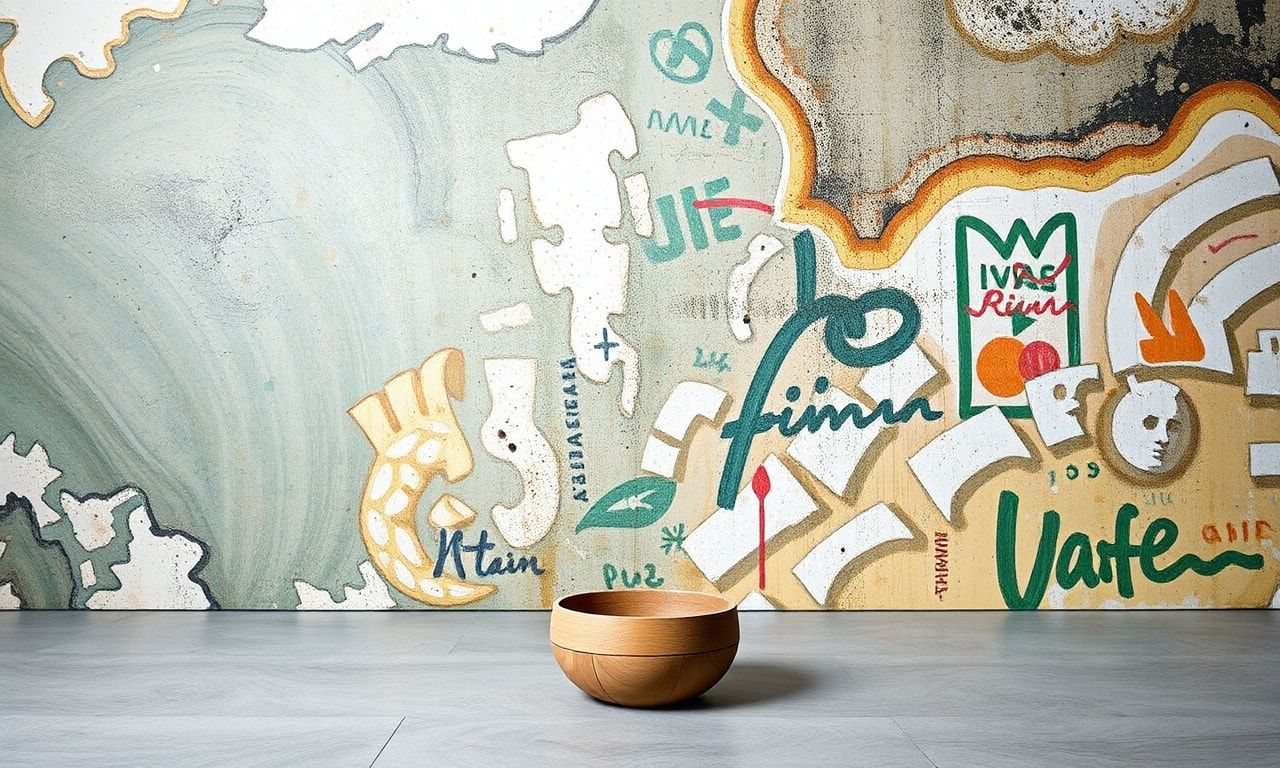
The Fusion of Art and Design
The worlds of art and design are often seen as distinct entities, each with its own set of rules, tools, and purposes. However, the boundaries between these two disciplines are increasingly blurring, giving rise to a dynamic intersection that is reshaping our cultural landscape. This fusion is not merely a trend but a testament to the evolving nature of creativity and expression.
Art, in its purest form, is often seen as an expression of individual vision and emotion. It is a medium through which artists communicate their innermost thoughts, feelings, and perspectives. On the other hand, design is more about problem-solving and functionality. It is a discipline that focuses on creating solutions that are both aesthetically pleasing and practical. Yet, when these two worlds collide, something magical happens. The result is a harmonious blend of beauty and utility, where artistry meets functionality.
This intersection is evident in various fields, from interior design to fashion, from graphic design to architecture. It is a space where artists and designers collaborate to create works that are not only visually stunning but also serve a purpose. Whether it’s a piece of furniture that doubles as a work of art or a building that is both a functional space and a cultural landmark, the fusion of art and design is transforming the way we interact with our environment.
The Role of Culture in Art and Design
Culture plays a pivotal role in shaping both art and design. It influences the themes, styles, and techniques that artists and designers employ. Cultural context provides a rich tapestry of symbols, narratives, and aesthetics that can be drawn upon to create meaningful and impactful works. For instance, traditional art forms from different cultures often inspire contemporary designers, leading to a unique blend of old and new.
In the realm of interior design, for example, cultural elements are often incorporated to create spaces that are not only beautiful but also tell a story. From the use of traditional patterns and motifs to the incorporation of cultural artifacts, designers draw from a wealth of cultural heritage to create spaces that are both visually appealing and culturally significant. This cultural infusion adds depth and meaning to the design, making it more than just a functional space.
Moreover, the global exchange of ideas and influences has led to a rich tapestry of artistic and design expressions. Artists and designers from different parts of the world bring their unique perspectives and cultural backgrounds to their work, enriching the global artistic landscape. This cultural exchange fosters a sense of unity and understanding, transcending geographical and cultural boundaries.
The Impact of Technology on Art and Design
Technology has revolutionized the way artists and designers work, opening up new possibilities and pushing the boundaries of creativity. From digital tools and software to advanced manufacturing techniques, technology has become an integral part of the artistic and design process. It has democratized access to creative tools, enabling artists and designers to explore new mediums and techniques.
One of the most significant impacts of technology on art and design is the rise of digital art. Digital tools and software have made it easier for artists to create and manipulate images, allowing for greater experimentation and innovation. Digital art has also made it possible for artists to reach a global audience, sharing their work online and connecting with other artists and enthusiasts.
In the field of design, technology has led to the development of new materials and manufacturing techniques. For example, 3D printing has revolutionized the way designers create prototypes and final products. It has made it possible to create complex and intricate designs that would have been impossible to achieve using traditional methods. This has opened up new avenues for creativity and innovation in design.
Furthermore, technology has also facilitated the integration of art and design in everyday life. From smart home devices to wearable technology, the fusion of art and design is becoming increasingly prevalent. This integration not only enhances the aesthetic appeal of these products but also makes them more functional and user-friendly.
The Importance of Creativity in Art and Design
Creativity is at the heart of both art and design. It is the driving force behind innovation and the creation of meaningful and impactful works. Creativity allows artists and designers to think outside the box, to challenge conventions, and to push the boundaries of what is possible. It is what sets their work apart and makes it truly unique.
In the world of art, creativity is often seen as a form of self-expression. It is a way for artists to communicate their thoughts, feelings, and perspectives. Through their work, artists can explore complex themes and ideas, challenging societal norms and sparking conversations. Creativity in art is not just about aesthetics; it is about the ability to evoke emotions, to tell stories, and to inspire change.
In the field of design, creativity is about solving problems. It is about finding innovative solutions to real-world issues. Designers use their creativity to create products and spaces that are not only beautiful but also functional and user-friendly. Whether it’s designing a piece of furniture that is both comfortable and stylish or creating a building that is energy-efficient and sustainable, creativity is at the core of the design process.
Moreover, creativity is also about collaboration. Artists and designers often work together to create works that are greater than the sum of their parts. By combining their unique skills and perspectives, they can create something truly extraordinary. This collaborative approach not only enriches the creative process but also fosters a sense of community and shared purpose.
The Future of Art and Design
The future of art and design is bright and full of possibilities. As technology continues to evolve, new tools and techniques will emerge, opening up new avenues for creativity and innovation. The fusion of art and design will continue to shape our cultural landscape, creating a world that is both beautiful and functional.
One of the most exciting developments in the field of art and design is the rise of sustainable and eco-friendly practices. As awareness of environmental issues grows, artists and designers are increasingly turning to sustainable materials and techniques. This shift towards sustainability is not only good for the planet but also opens up new creative possibilities. From upcycled art to eco-friendly design, the future of art and design is green and sustainable.
Another exciting trend is the integration of art and design in the digital realm. With the rise of virtual and augmented reality, artists and designers have new platforms to explore and showcase their work. These technologies allow for immersive and interactive experiences, blurring the lines between the physical and digital worlds. From virtual art galleries to augmented reality design, the future of art and design is digital and interactive.
Furthermore, the future of art and design is also about inclusivity and diversity. As the world becomes more interconnected, there is a growing appreciation for the richness and diversity of cultural expressions. Artists and designers from different backgrounds are bringing their unique perspectives to the table, enriching the global artistic landscape. This inclusivity fosters a sense of unity and understanding, transcending geographical and cultural boundaries.
In conclusion, the intersection of art and design is a dynamic and ever-evolving space. It is a place where creativity, culture, and technology converge to create something truly extraordinary. Whether you’re an artist, a designer, or simply an enthusiast, exploring this intersection can be a rewarding and enriching experience. So, dive in, explore, and discover the endless possibilities that lie at the intersection of art and design. For those interested in the latest trends and comparisons in the world of art and design, consider checking out abonelik kutusu inceleme karşılaştırma for insightful reviews and analyses.