The Fusion of Art and Urban Landscapes
The relationship between art and urban development has always been a symbiotic one. Cities around the world are increasingly recognizing the power of art to transform public spaces, foster community engagement, and drive economic growth. From large-scale murals to interactive installations, art is becoming an integral part of urban planning and development. This article explores how art is reshaping our cities and the innovative ways in which it is being integrated into urban landscapes.
The Role of Public Art in Urban Development
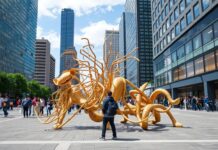
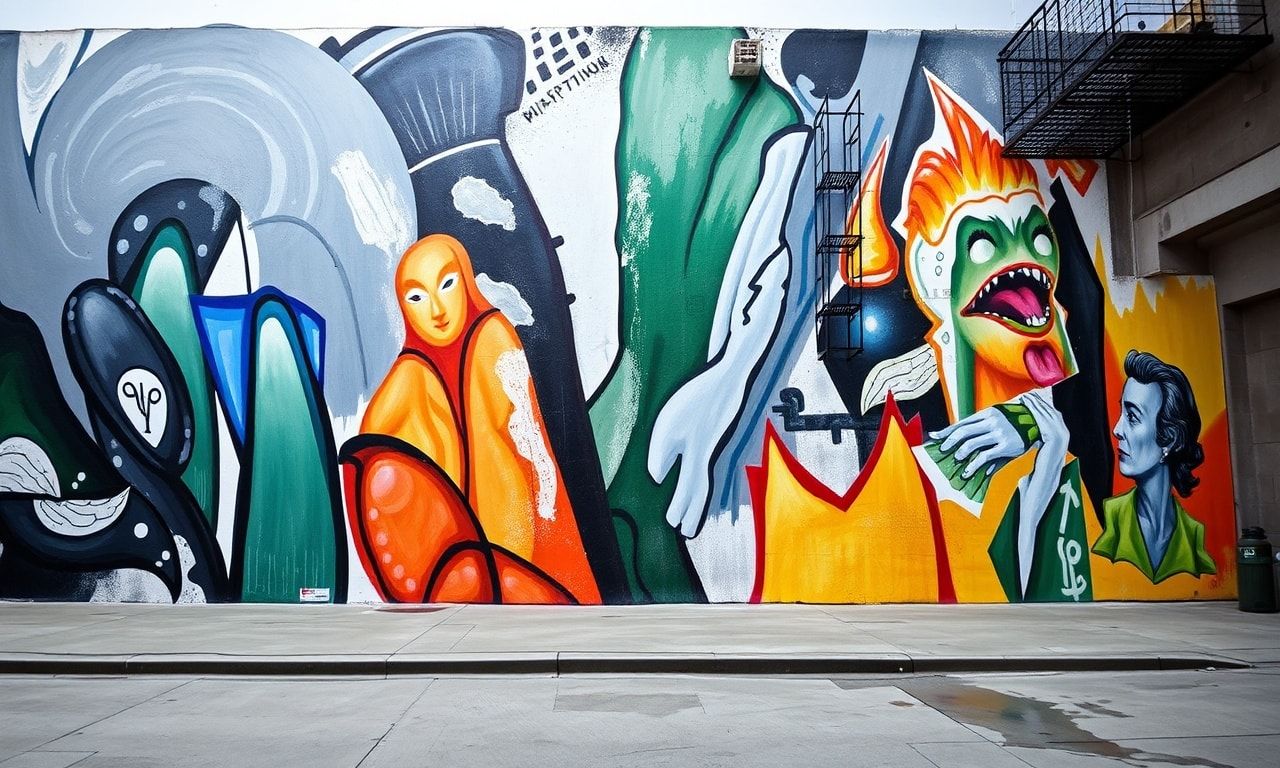
Public art plays a crucial role in urban development by enhancing the aesthetic appeal of cities and creating a sense of place. It can transform mundane structures into vibrant landmarks, attracting tourists and residents alike. For instance, cities like Melbourne and Berlin have become renowned for their street art scenes, which have not only revitalized neglected areas but also boosted local economies. Public art initiatives often involve community participation, ensuring that the art reflects the cultural diversity and heritage of the area. This collaborative approach fosters a sense of ownership and pride among residents, making public art a powerful tool for community building.
Art as a Catalyst for Economic Growth
Art can also be a catalyst for economic growth, attracting investment and creating jobs. Art districts, such as those found in cities like New York and London, have become hubs for creativity and innovation, drawing in businesses and tourists. These districts often feature a mix of galleries, studios, and cultural events, creating a vibrant ecosystem that supports both established and emerging artists. The economic impact of art is not limited to large cities; smaller towns and rural areas are also leveraging art to drive development. For example, the town of Perth in Scotland has seen a surge in interest due to its growing arts scene. According to the Perth development projects update, the integration of art into urban planning has been a key factor in the town’s revitalization, attracting new businesses and residents.
Innovative Approaches to Integrating Art into Urban Spaces
Cities are adopting innovative approaches to integrate art into urban spaces, from temporary installations to permanent structures. One notable example is the High Line in New York, a linear park built on a former elevated rail line, which features a variety of art installations and green spaces. Similarly, the Superkilen Park in Copenhagen combines art, architecture, and landscape design to create a unique public space that reflects the diversity of its community. These projects demonstrate how art can be used to create functional and aesthetically pleasing spaces that enhance the quality of life for residents.
The Future of Art in Urban Development
The future of art in urban development looks promising, with cities increasingly recognizing the value of creativity in shaping their landscapes. As technology advances, new opportunities for integrating art into urban spaces are emerging. For example, digital art installations and augmented reality experiences are becoming more common, offering interactive and immersive ways for people to engage with art. Additionally, sustainable and eco-friendly art practices are gaining traction, reflecting a growing awareness of environmental issues. As cities continue to evolve, the role of art in urban development will undoubtedly become even more significant, shaping the way we live, work, and interact with our surroundings.
Conclusion
The intersection of art and urban development is a dynamic and evolving field, offering endless possibilities for creativity and innovation. From enhancing public spaces to driving economic growth, art plays a vital role in shaping our cities and communities. As we look to the future, the integration of art into urban landscapes will continue to be a key factor in creating vibrant, sustainable, and inclusive cities. By embracing the power of art, we can transform our urban environments into places that inspire, engage, and connect us all.
Intrigued by the evolving landscape of creative professions? Discover how art and remote work intertwine in our latest feature, offering a fresh perspective on design and culture.