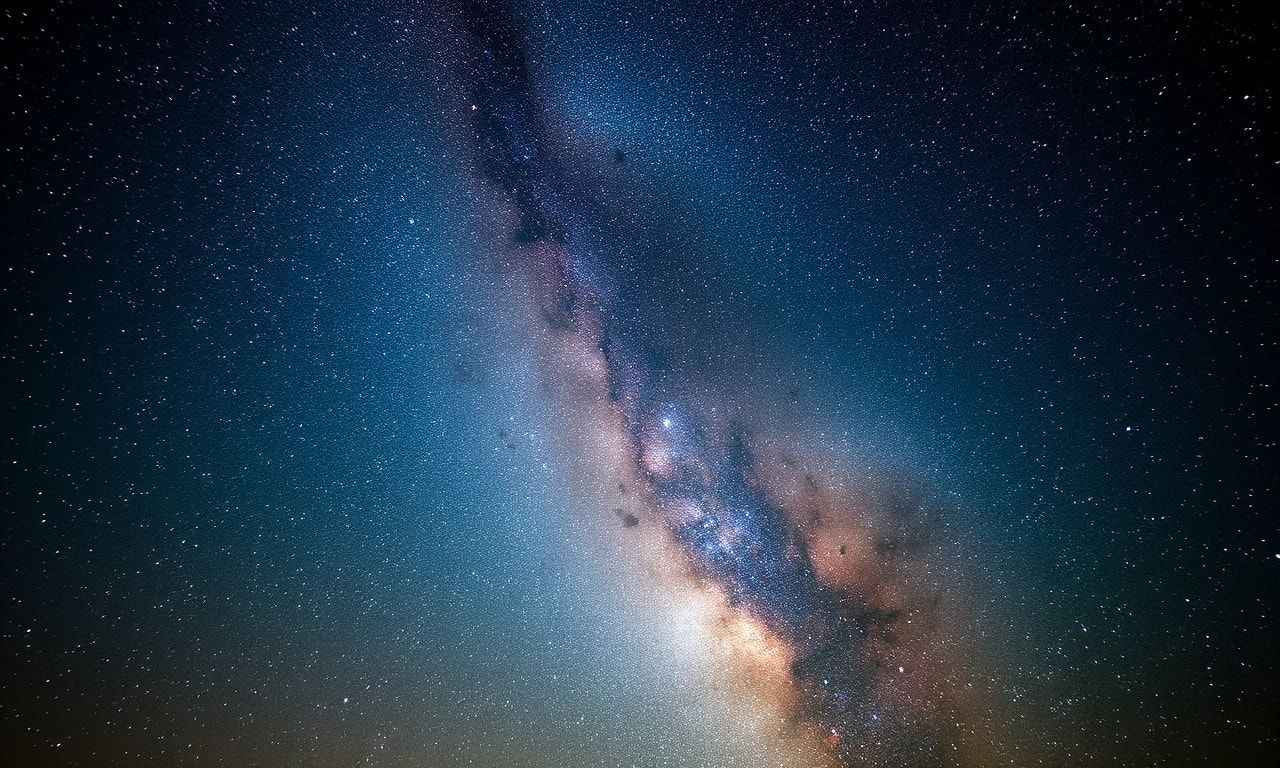
The Celestial Muse: How Astronomy Inspires Art
The cosmos has always been a profound source of inspiration for artists. The mysteries of the universe, the dance of planets, and the celestial phenomena have captivated human imagination, translating into various forms of art. From ancient cave paintings depicting constellations to contemporary digital art, the intersection of art and astronomy is a testament to humanity’s enduring fascination with the cosmos.
Artists throughout history have sought to capture the awe and wonder of astronomical events. The solar eclipse, in particular, has been a recurring theme. This natural spectacle, with its dramatic shift from day to night, offers a unique canvas for artists. The interplay of light and shadow, the ethereal corona, and the fleeting moments of totality provide a rich tapestry of visual and emotional experiences that artists strive to encapsulate.
The Solar Eclipse in Art: A Historical Perspective
The depiction of solar eclipses in art dates back centuries. Ancient civilizations often interpreted eclipses as omens or divine messages. In many cultures, these events were recorded in art, symbolizing significant historical or mythological events. For instance, the ancient Greeks and Egyptians depicted eclipses in their art, often associating them with the gods and their interventions in human affairs.
During the Renaissance, artists began to explore the scientific aspects of eclipses. The works of artists like Albrecht Dürer and Leonardo da Vinci reflect a growing interest in the natural world and its phenomena. Dürer’s detailed engravings and da Vinci’s scientific sketches demonstrate a blend of art and science, capturing the essence of astronomical events with remarkable precision.
Modern Interpretations: Artistic Techniques and Innovations
In contemporary art, the solar eclipse continues to inspire artists to experiment with new techniques and mediums. Digital art, in particular, has opened up new possibilities for capturing the dynamic nature of eclipses. Artists use digital tools to create intricate and vivid representations of celestial events, often incorporating real-time data and simulations.
One notable example is the use of time-lapse photography to capture the progression of an eclipse. This technique allows artists to create a visual narrative of the event, showcasing the gradual darkening of the sky and the emergence of the sun’s corona. Additionally, artists often incorporate elements of abstract art to convey the emotional and spiritual significance of eclipses, using bold colors and fluid forms to evoke a sense of wonder and mystery.
Cultural Significance: Art as a Mirror of Society
Art has always been a reflection of societal values and beliefs. The depiction of solar eclipses in art provides a window into the cultural and historical context of different eras. For instance, in many indigenous cultures, eclipses were seen as powerful spiritual events, often depicted in art as moments of transformation and renewal. These artistic representations not only document the event but also convey the cultural significance and collective consciousness of the time.
In modern society, art continues to play a crucial role in shaping our understanding of astronomical phenomena. Artists often collaborate with scientists to create educational and informative works that bridge the gap between art and science. For those looking to delve deeper into the subject, a helpful resources online guide can provide valuable insights and resources on the intersection of art and astronomy.
The Future of Art and Astronomy: A Collaborative Endeavor
The future of art and astronomy lies in collaboration and innovation. As technology advances, artists and scientists are finding new ways to explore and represent the cosmos. Virtual reality (VR) and augmented reality (AR) are emerging as powerful tools for creating immersive experiences that allow viewers to engage with astronomical events in unprecedented ways.
Artists are also experimenting with interactive installations and multimedia projects that combine art, science, and technology. These projects not only educate the public about astronomical phenomena but also inspire a sense of awe and curiosity. By blending artistic creativity with scientific knowledge, artists can create works that are both visually stunning and intellectually stimulating.
In conclusion, the intersection of art and astronomy is a rich and dynamic field that continues to evolve. From ancient depictions of eclipses to contemporary digital art, the cosmos has always been a source of inspiration for artists. As we look to the future, the collaboration between artists and scientists promises to unlock new dimensions of creativity and discovery, enriching our understanding of the universe and our place within it.