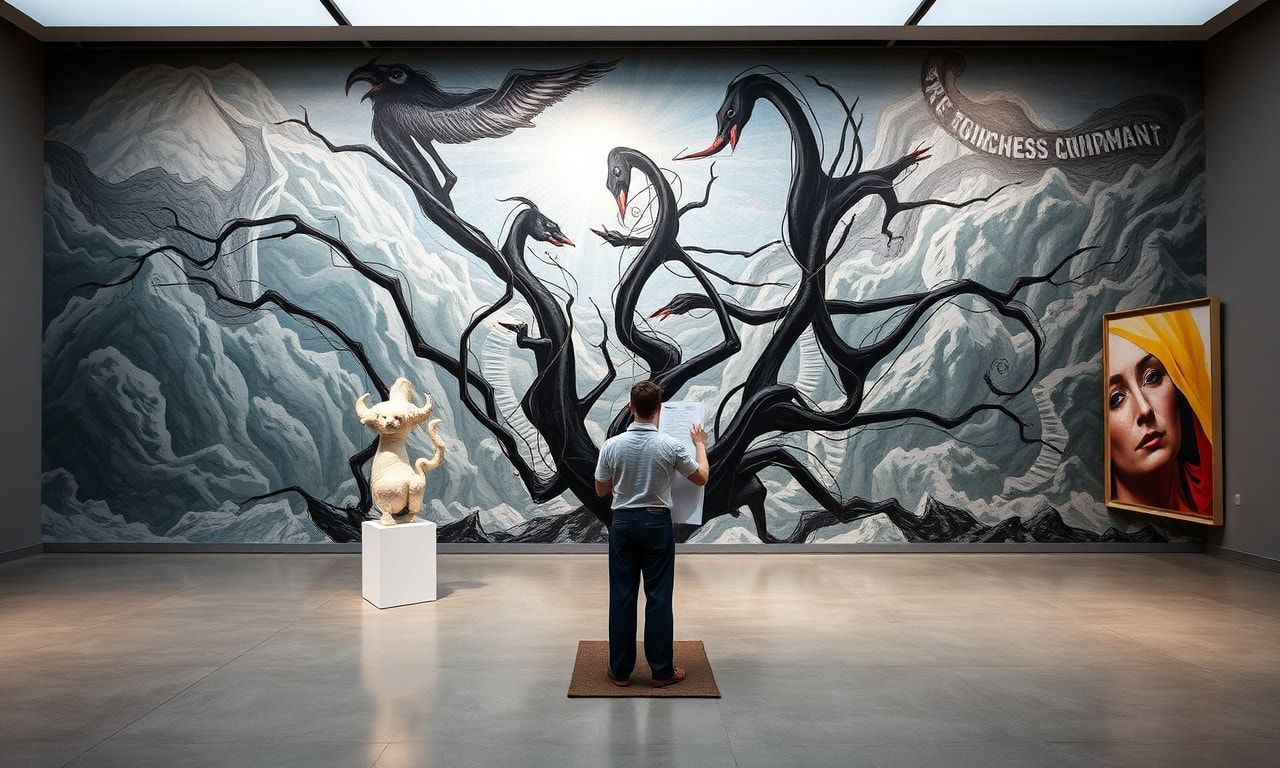
The Universal Language of Art
Art has always been a powerful medium that transcends linguistic and cultural barriers. It serves as a universal language that communicates emotions, ideas, and stories across different societies. From the intricate patterns of African textiles to the minimalist designs of Japanese Zen gardens, art reflects the unique cultural heritage and collective consciousness of a people. At DecoArt, we celebrate this diversity and explore how art shapes and is shaped by culture.
The Influence of Culture on Artistic Expression
Cultural influences play a pivotal role in shaping artistic expression. Artists draw inspiration from their surroundings, traditions, and historical contexts, which are often reflected in their work. For instance, the vibrant colors and bold patterns in Mexican muralism are deeply rooted in the country’s indigenous heritage and revolutionary history. Similarly, the abstract expressions of European modernists were a response to the rapid industrialization and societal changes of the 20th century. Understanding these cultural underpinnings enriches our appreciation of art and provides a deeper connection to the artist’s intent.
In contemporary times, globalization has led to a fascinating exchange of artistic ideas and techniques. Artists are increasingly blending traditional motifs with modern styles, creating a rich tapestry of cultural fusion. This interplay not only broadens the scope of artistic expression but also fosters a sense of global community. For example, the fusion of traditional African art with contemporary design elements has gained international acclaim, showcasing the timeless relevance of cultural heritage in today’s world.
The Role of Art in Preserving Cultural Identity
Art serves as a vital tool for preserving cultural identity. Through various forms such as painting, sculpture, music, and dance, communities can document their history, traditions, and values. Indigenous art, in particular, plays a crucial role in maintaining cultural continuity. The intricate beadwork of the Maasai people, the dreamcatchers of Native American tribes, and the henna designs of South Asia are all examples of how art preserves and transmits cultural knowledge across generations.
Moreover, art can be a form of resistance and a means of reclaiming cultural narratives. During periods of colonization and oppression, artists have used their work to challenge dominant ideologies and assert their cultural identity. The powerful murals of Diego Rivera and the symbolic paintings of Frida Kahlo are testament to the political and social commentary that art can convey. In this way, art becomes not just a reflection of culture but also an active participant in shaping it.
Art and Sports: An Unexpected Connection
While art and sports may seem like disparate fields, they share a common thread of cultural expression and community engagement. Sports, like art, can reflect the values, aspirations, and struggles of a society. The vibrant colors and dynamic compositions of sports posters and memorabilia are a testament to the artistic influence on sports culture. For instance, the basketball league standings update not only provides fans with the latest scores but also encapsulates the passion and creativity that surround the sport. This intersection highlights how art and sports together create a rich cultural tapestry that resonates with people worldwide.
The Future of Art in a Globalized World
As the world becomes increasingly interconnected, the future of art lies in its ability to adapt and evolve while staying rooted in its cultural origins. Digital technology has opened new avenues for artistic expression, allowing artists to experiment with virtual reality, augmented reality, and interactive installations. These innovations not only push the boundaries of traditional art forms but also make art more accessible to a global audience.
Furthermore, the rise of social media has democratized the art world, enabling artists from diverse backgrounds to showcase their work and engage with a wider audience. Platforms like Instagram and TikTok have become virtual galleries where artists can share their creative process, collaborate with others, and build a global following. This digital revolution has also led to the emergence of new art movements and collectives that challenge conventional norms and advocate for social change.
Embracing Diversity in Art Education
To foster a deeper appreciation for the intersection of art and culture, art education must embrace diversity and inclusivity. Schools and educational institutions should incorporate a wide range of artistic traditions and practices into their curricula. By exposing students to different cultural perspectives, they can develop a more nuanced understanding of the world and cultivate a sense of empathy and respect for others.
Additionally, art education should encourage students to explore their own cultural heritage and express their unique identities through their work. This not only enhances their creative skills but also builds their self-confidence and sense of belonging. By fostering a supportive and inclusive learning environment, educators can inspire the next generation of artists to contribute meaningfully to the global art community.
Conclusion
The relationship between art and culture is a dynamic and ever-evolving one. Art not only reflects the cultural heritage of a society but also plays a crucial role in preserving and transmitting its values. As the world becomes more interconnected, the fusion of different artistic traditions and the use of digital technology are reshaping the art landscape. By embracing diversity and inclusivity in art education, we can nurture a new generation of artists who will continue to enrich the global cultural tapestry. At DecoArt, we are committed to celebrating this rich heritage and exploring the boundless possibilities of artistic expression.
In the vibrant world of visual arts and design, understanding the digital landscape is crucial; discover how SEO shapes brand identity in our latest feature.
Delve into the captivating world where creativity knows no bounds by exploring art’s influence on fashion trends, a fascinating journey through visual arts and design.
As we venture into the future of visual arts and design, discover the vibrant trends shaping the 2026 fashion season with our feature, the power of color in art.