The Evolution of Urban Art
The urban landscape is undergoing a transformative shift, where art and culture are becoming integral components of city planning and development. This evolution is not merely about aesthetics but about creating vibrant, engaging, and inclusive spaces that foster community and creativity. From street murals to public installations, cities around the world are embracing art as a means to revitalize neighborhoods and enhance the quality of life for residents and visitors alike.
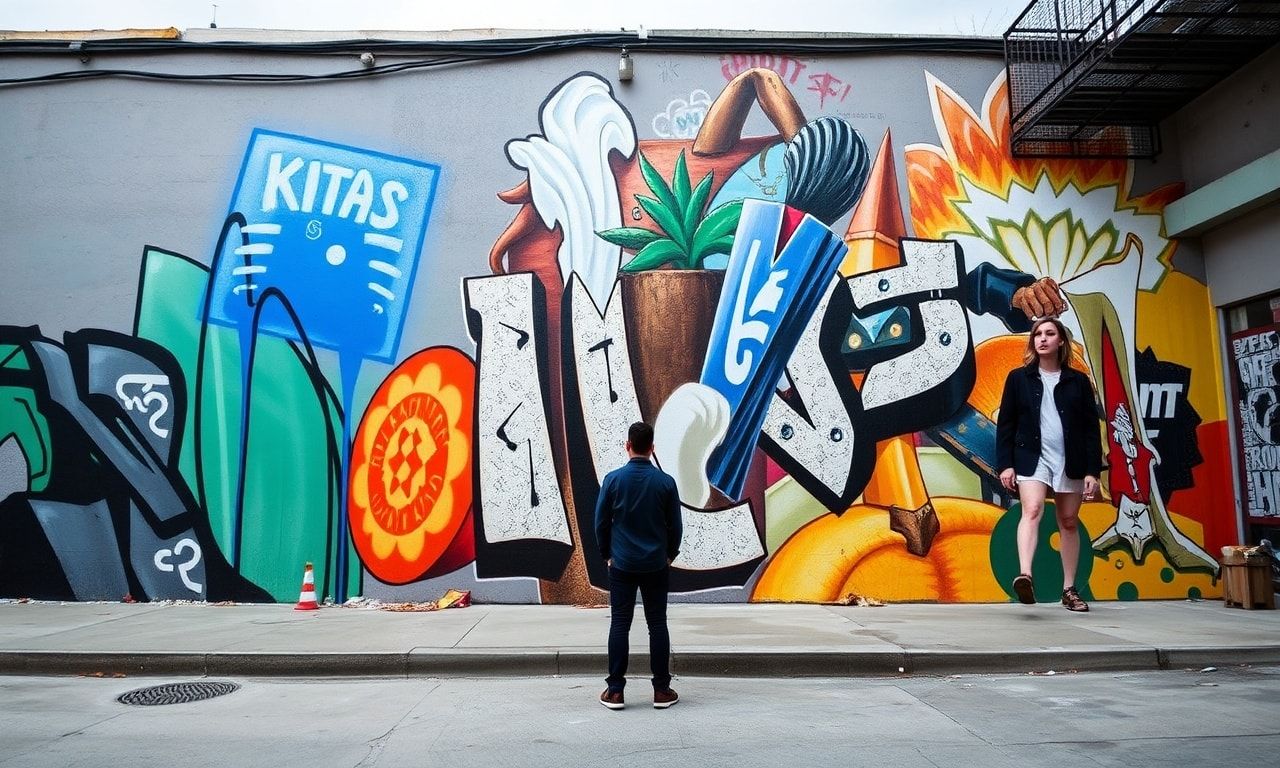
One of the most notable trends in urban art is the rise of community-driven projects. These initiatives often involve local artists collaborating with residents to create public art that reflects the unique character and history of the neighborhood. Such projects not only beautify the urban environment but also empower communities by giving them a voice and a sense of ownership over their surroundings.
The Role of Public Art in Urban Renewal
Public art plays a crucial role in urban renewal by transforming bland and often neglected spaces into dynamic cultural hubs. Cities like Berlin, Melbourne, and Buenos Aires have successfully integrated public art into their urban fabric, creating destinations that attract tourists and locals alike. These art installations serve as focal points for community gatherings, cultural events, and social interactions, thereby fostering a sense of belonging and identity.
Moreover, public art can also address social and political issues, sparking conversations and raising awareness about important topics. For instance, murals depicting historical events or social movements can serve as powerful reminders of a community’s resilience and collective memory. By incorporating art into urban development, cities can create spaces that are not only visually appealing but also meaningful and thought-provoking.
Art and the Culinary Scene
The intersection of art and the culinary scene is another fascinating aspect of urban development. Restaurants and cafes are increasingly becoming canvases for artists, with many establishments commissioning local artists to create unique and immersive dining experiences. This fusion of art and cuisine not only enhances the ambiance but also supports the local art community by providing artists with new opportunities to showcase their work.
For example, the recent restaurant opening news in downtown Los Angeles featured a collaboration between a renowned chef and a local street artist. The restaurant’s interior was adorned with vibrant murals that told the story of the neighborhood’s cultural heritage, creating a dining experience that was as visually stunning as it was delicious. Such initiatives highlight the potential of art to elevate the culinary scene and create memorable experiences for patrons.
The Impact of Art on Economic Development
Art also plays a significant role in economic development by attracting investment, creating jobs, and driving tourism. Cities with a thriving arts scene often experience increased property values, as people are drawn to the cultural vibrancy and creative energy of these areas. This, in turn, can lead to the development of new businesses, including art galleries, studios, and cultural centers, which further enrich the local economy.
Furthermore, art festivals and events can generate substantial revenue for cities, as they attract visitors from around the world. These events not only showcase the work of local artists but also provide opportunities for cultural exchange and collaboration. By investing in the arts, cities can position themselves as global cultural destinations, thereby enhancing their reputation and economic prospects.
Challenges and Considerations
While the integration of art into urban development offers numerous benefits, it also presents certain challenges and considerations. One of the primary concerns is the potential for gentrification, where the influx of artists and cultural amenities can lead to rising property prices and the displacement of long-time residents. To mitigate this, cities must implement policies that ensure affordable housing and support for local communities.
Another challenge is the sustainability of public art projects. Ensuring that these installations are well-maintained and protected from vandalism requires ongoing investment and community engagement. Cities must also consider the environmental impact of public art, opting for materials and techniques that are eco-friendly and sustainable.
In conclusion, the intersection of art and urban development represents a cultural renaissance that is reshaping cities around the world. By embracing art as a fundamental component of city planning, urban developers can create vibrant, inclusive, and economically thriving communities. The fusion of art and urban development not only enhances the aesthetic appeal of cities but also fosters a sense of belonging, identity, and cultural pride among residents and visitors alike.