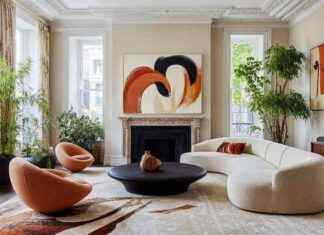
The Symbiosis of Language and Art

The world of art is a vast and intricate landscape, filled with various forms of expression that transcend linguistic barriers. However, language plays a pivotal role in shaping our understanding and appreciation of art. From the titles of masterpieces to the artist’s statements, language serves as a bridge between the creator and the audience. In this article, we delve into the fascinating intersection of language and art, exploring how they influence each other and enrich our cultural experiences.

The Role of Language in Art Appreciation

Language is not just a tool for communication; it is a medium that can enhance our perception of art. For instance, the title of a painting or sculpture often provides context and depth, guiding the viewer’s interpretation. Consider the works of renowned artists like Frida Kahlo, whose titles often reflect her personal struggles and cultural heritage. Understanding the language and cultural context behind these titles can significantly deepen our appreciation of the art.

Moreover, language can also be a part of the artwork itself. Text-based art, such as calligraphy and typography, uses language as a visual element. Artists like Jenny Holzer and Barbara Kruger incorporate text into their works to convey powerful messages, blending language and visual art seamlessly. This fusion of language and art creates a unique form of expression that resonates with viewers on multiple levels.

Language as a Tool for Artistic Expression

Artists often draw inspiration from language to create their works. Poets, writers, and linguists have long been sources of inspiration for visual artists. For example, the surrealist movement, led by artists like Salvador Dalí, was heavily influenced by the writings of poets and philosophers. The surrealists used language to explore the subconscious mind, translating their ideas into visual art.

In contemporary art, many artists experiment with language to create innovative and thought-provoking works. For instance, some artists use foreign languages to evoke a sense of mystery or exoticism. Others incorporate multilingual elements to reflect the diversity of modern society. This creative use of language adds layers of meaning to the artwork, making it more engaging and intellectually stimulating.

The Influence of Language on Art Education

Language also plays a crucial role in art education. Art historians, critics, and educators rely on language to analyze, interpret, and teach art. Understanding the terminology and concepts associated with different art forms is essential for students and enthusiasts alike. For example, learning about the techniques used in Renaissance painting or the principles of modern design requires a solid grasp of the relevant vocabulary.

Furthermore, language learning can enhance one’s appreciation of art. For instance, studying yabancı dil öğrenme yöntemleri can provide insights into the cultural context of artworks from different regions. Learning a new language can open up new perspectives and deepen our understanding of the artistic traditions and practices of other cultures.

The Future of Language and Art

As the world becomes increasingly interconnected, the relationship between language and art continues to evolve. Digital art and new media have opened up new avenues for artists to experiment with language. For example, digital artists can use programming languages to create interactive installations that respond to text input. This fusion of technology and language offers exciting possibilities for artistic expression.

Additionally, the rise of global art markets has led to a greater exchange of ideas and influences between different cultures. Artists are increasingly drawing inspiration from diverse linguistic and cultural traditions, creating works that reflect the richness and complexity of our interconnected world. As language and art continue to intersect, we can expect to see even more innovative and thought-provoking works that challenge our perceptions and expand our horizons.

Conclusion

The relationship between language and art is a dynamic and multifaceted one. From enhancing our appreciation of art to inspiring new creative expressions, language plays a vital role in the world of art. As we continue to explore this intersection, we open up new possibilities for artistic expression and cultural understanding. Whether through the titles of artworks, text-based art, or the influence of language on art education, the connection between language and art enriches our lives and deepens our appreciation of the creative process.