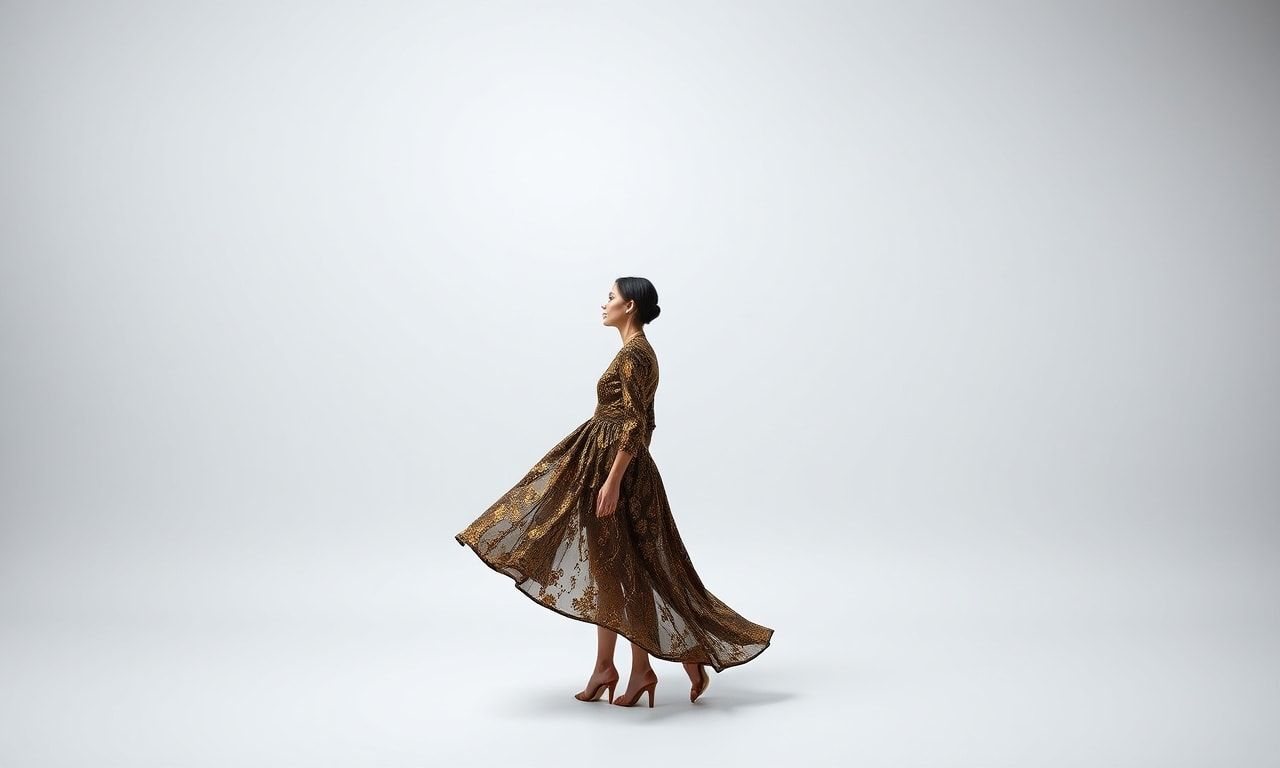
The Harmonious Dance of Art and Fashion
The realms of art and fashion have long been intertwined, each influencing and inspiring the other in a continuous cycle of creativity. From the vibrant brushstrokes of a painter to the meticulous stitching of a couturier, both disciplines share a common goal: to express, to provoke, and to captivate. This article delves into the symbiotic relationship between art and fashion, exploring how they converge to create visual masterpieces that transcend traditional boundaries.
The Influence of Art on Fashion
Fashion has often drawn inspiration from the art world, with designers looking to the works of painters, sculptors, and photographers for creative direction. The bold colors and abstract forms of the Fauvist movement, for instance, have influenced designers like Yves Saint Laurent, who famously created a collection inspired by the works of Piet Mondrian. Similarly, the surrealist works of Salvador Dalí have left an indelible mark on fashion, with designers incorporating dreamlike elements into their creations.
Artistic movements have also played a significant role in shaping fashion trends. The Impressionist era, with its emphasis on light and color, has inspired designers to experiment with fabrics and textures that capture the essence of the natural world. Meanwhile, the Cubist movement’s geometric forms have influenced the structural designs of garments, creating pieces that are both functional and visually striking.
Artistic Techniques in Fashion Design
Fashion designers often employ techniques traditionally associated with the visual arts to create their collections. Techniques such as collage, printmaking, and even digital art are used to produce unique textiles and patterns. For example, the use of digital printing allows designers to translate intricate artworks onto fabrics, creating garments that are wearable canvases.
Moreover, the process of fashion design itself mirrors that of artistic creation. From sketching initial ideas to selecting fabrics and colors, designers follow a creative journey that is not unlike that of a painter or sculptor. The final product, whether a garment or a piece of art, is a testament to the designer’s vision and skill.
The Role of Fashion in Art
Just as art influences fashion, fashion also plays a crucial role in the art world. Artists often use clothing and accessories as mediums to explore themes of identity, culture, and society. For instance, the works of artists like Cindy Sherman and Yinka Shonibare incorporate fashion elements to challenge societal norms and provoke thought.
Fashion has also been a subject of artistic exploration in its own right. Photographers like Richard Avedon and Peter Lindbergh have captured the essence of fashion through their lens, creating images that are both visually stunning and culturally significant. These photographs not only document fashion trends but also tell stories about the people who wear them and the societies they inhabit.
Fashion as a Form of Self-Expression
Fashion is a powerful tool for self-expression, allowing individuals to communicate their identity, mood, and personality without uttering a word. Just as an artist uses a canvas to express their inner world, a person uses clothing to convey their unique style and perspective. This form of non-verbal communication is a testament to the deep connection between art and fashion.
In the context of formal wear, for example, the choice of attire can convey a sense of occasion and respect. A well-tailored suit or an elegant gown can make a statement about the wearer’s understanding of social norms and their ability to adapt to different settings. For a comprehensive guide on formal wear and occasion dressing, one can refer to resources like the formal wear guide occasion dressing.
The Future of Art and Fashion
The relationship between art and fashion continues to evolve, driven by technological advancements and changing cultural landscapes. The rise of digital art and virtual reality has opened up new possibilities for designers and artists to collaborate and create immersive experiences. For instance, digital fashion shows and virtual exhibitions are becoming increasingly popular, allowing audiences to engage with art and fashion in novel ways.
Additionally, the growing emphasis on sustainability and ethical practices is shaping the future of both art and fashion. Artists and designers are increasingly using eco-friendly materials and techniques to create their works, reflecting a broader societal shift towards environmental consciousness. This commitment to sustainability not only enhances the aesthetic value of their creations but also contributes to a more responsible and ethical industry.
Collaborations and Cross-Disciplinary Projects
Collaborations between artists and fashion designers have become more prevalent, resulting in innovative and boundary-pushing projects. These collaborations often lead to the creation of unique collections that blend the best of both worlds. For example, the partnership between artist Jeff Koons and designer Louis Vuitton has produced iconic pieces that merge high art with high fashion.
Such collaborations not only push the boundaries of creativity but also challenge traditional notions of what constitutes art and fashion. By working together, artists and designers can explore new techniques, materials, and concepts, leading to the creation of groundbreaking works that captivate and inspire.
As the seasons change, so do the trends in visual expression and cultural aesthetics; discover the latest winter fashion trends that are shaping the creative landscape this year.
To fuel your creative spirit and maintain the vibrant energy needed for artistic pursuits, consider exploring essential tips for holistic well-being.
In an era where information shapes our creative landscapes, delving into the broken news cycle reveals how our cultural narratives are formed and transformed.