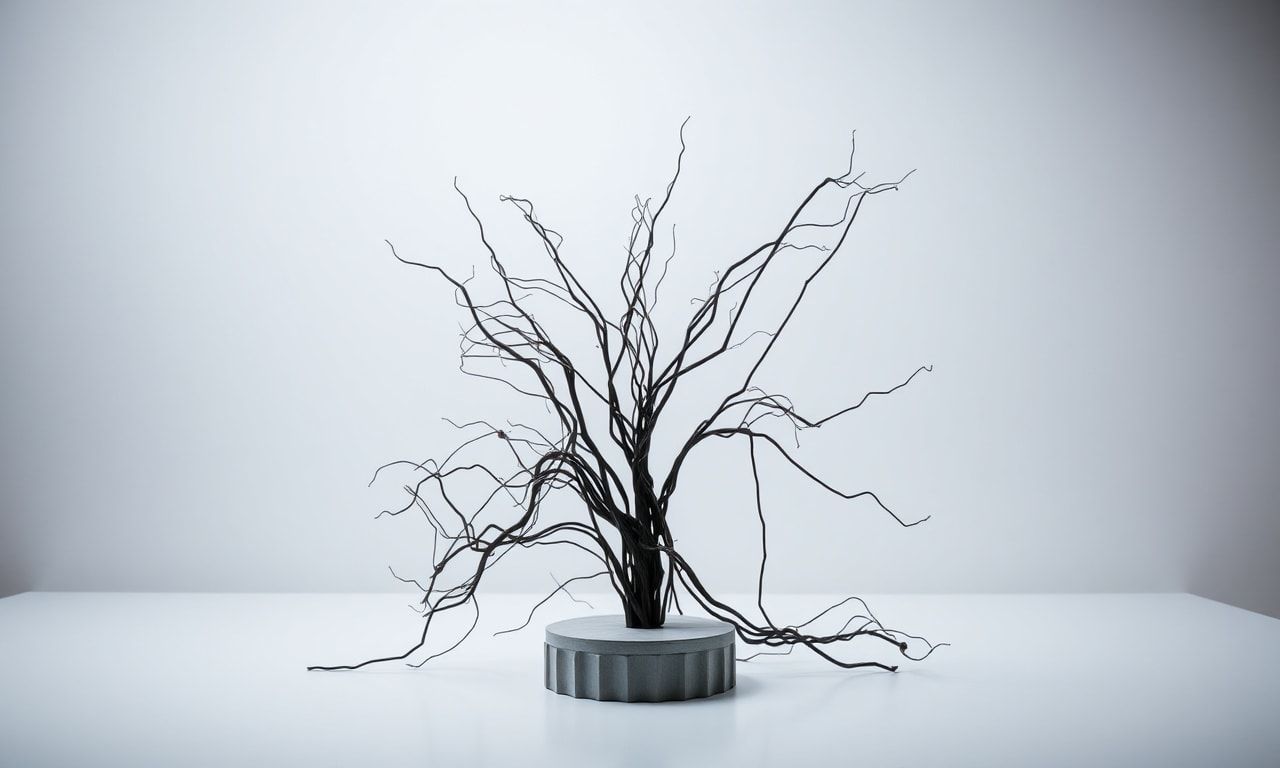
The Convergence of Art and Technology
The art world is undergoing a profound transformation, driven by rapid advancements in technology. From digital painting to virtual reality exhibitions, technology is reshaping how artists create, exhibit, and engage with their audiences. This synergy between art and technology is not only enhancing traditional artistic practices but also paving the way for entirely new forms of expression. As we delve into this dynamic intersection, it becomes clear that the future of art is intrinsically linked to technological innovation.
The Digital Canvas: Redefining Traditional Art
Digital art has revolutionized the way artists approach their craft. Tools like graphic tablets, digital painting software, and 3D modeling programs have enabled artists to explore new techniques and styles. These technologies offer unprecedented precision and flexibility, allowing artists to experiment with colors, textures, and forms in ways that were previously unimaginable. Additionally, digital platforms have made it easier for artists to share their work with a global audience, breaking down geographical barriers and fostering a more connected artistic community.
One of the most significant developments in digital art is the rise of non-fungible tokens (NFTs). NFTs have created a new market for digital art, providing artists with a way to sell their work directly to collectors. This has democratized the art world, giving emerging artists the opportunity to gain recognition and financial independence. As the technology continues to evolve, we can expect to see even more innovative uses of NFTs in the art world.
The Role of Technology in Art Education
Technology has also transformed art education, making it more accessible and interactive. Online courses, virtual workshops, and digital tutorials have made it possible for aspiring artists to learn from experts around the world. These resources provide a wealth of knowledge and techniques that were previously only available through traditional art schools. Moreover, technology has enabled educators to create immersive learning experiences, such as virtual reality art classes, which allow students to practice their skills in a simulated environment.
In addition to formal education, technology has facilitated the sharing of knowledge and inspiration among artists. Social media platforms, online forums, and art communities provide a space for artists to connect, collaborate, and learn from each other. This collaborative environment fosters creativity and innovation, as artists draw inspiration from diverse perspectives and techniques. As technology continues to advance, we can expect to see even more opportunities for artists to learn and grow.
The Impact of Technology on Art Exhibitions
Technology has also revolutionized the way art is exhibited and experienced. Virtual reality (VR) and augmented reality (AR) have opened up new possibilities for immersive art exhibitions. These technologies allow viewers to step into a digital world where they can interact with art in ways that were previously impossible. For example, VR exhibitions can transport viewers to different time periods or imaginary worlds, creating a truly unique and engaging experience.
Additionally, technology has made art exhibitions more accessible to a wider audience. Online galleries and virtual tours allow people from all over the world to view and appreciate art without having to travel. This has democratized the art world, making it more inclusive and diverse. As technology continues to evolve, we can expect to see even more innovative uses of VR and AR in art exhibitions.
The Future of Art and Technology
The future of art and technology is bright and full of possibilities. As advancements in technology news developments today continue to emerge, artists will have even more tools and platforms to explore and express their creativity. From artificial intelligence (AI) generated art to holographic exhibitions, the possibilities are endless. However, it is important to remember that technology should be used as a tool to enhance and complement traditional artistic practices, rather than replace them.
In conclusion, the intersection of art and technology is a fascinating and rapidly evolving field. As artists continue to embrace and integrate technology into their practice, we can expect to see a new era of creativity and innovation. The future of art is bright, and it is clear that technology will play a crucial role in shaping its evolution. By staying informed about the latest technology news developments today, artists can stay ahead of the curve and continue to push the boundaries of what is possible in the world of art.
Delve into the vibrant world of colors and their impact on our lives and art with our latest feature, the power of colors explained.
Delve into the world of hues and their impact by exploring colors in art and culture, a fascinating journey through the power of pigments in creative expression.