
How to publish events in France for artists and venues
Practical guide for artists and venues on publishing events in France, with clear steps, tips, and pitfalls to avoid. Ideal for decoart.net readers.

If you’re programming a show, workshop, or exhibition in France, you need a clear path to publish it successfully. This guide breaks down the practical steps into actionable moves that non-profit and commercial spaces can follow. You’ll learn how a well-timed listing can reach audiences and help you avoid common posting mistakes.
First, understand what counts as a publishable event in French art networks and local calendars. Then map out the essential details: date, venue, access, and a short, truthful description. Finally, you’ll see how to choose the right platforms to maximize visibility without overextending your resources.
The goal is to give you a reliable workflow: verify requirements, craft a precise listing, and publish where it matters most for artists and cultural venues. You’ll finish with a practical checklist you can reuse for future events.
- Publish detailed, accurate event listings: title, venue, date, times, and accessibility.
- Choose one or two trusted platforms that reach your target readers and maintain consistency.
- Craft a vivid description that reflects the event’s visual experience while giving clear participation details.
- Avoid common posting pitfalls by keeping facts straight and using high-quality imagery.
Basics of posting an event
Key facts to include
Start with the essentials: what the event is, where it takes place, when it happens, and who should attend. Include accessibility notes and ticketing details if applicable. This makes the listing usable at a glance and reduces back-and-forth inquiries. publier un événement en France
A clear description helps readers assess fit quickly, which is especially important for busy gallery visitors. Use concrete terms rather than abstract promises. Keep the tone inviting but precise.
If you add an image, ensure it reflects the actual event and venue to avoid misrepresentation. Consistency across listings builds trust with audiences.
- Event title and type
- Date, time, and timezone
- Venue address and access
- Ticketing or RSVP info
- Contact for questions
Where to publish for reach
Identify core art calendars and venue pages that attract your target audience. Start with local city guides and regional arts networks where your event aligns with ongoing programs. This concentrates your effort where it matters most.
Track where similar events gain traction and use those platforms first. Avoid scattering listings across low-traffic sites that create clutter rather than signal.
Build a minimal, repeatable publishing routine: draft once, post on two primary platforms, then assess engagement before duplicating elsewhere.
- Local arts calendars
- City cultural guides
- Venue and gallery listings
- Artist network boards
- Social media timelines
How to describe the event
Crafting a vivid summary
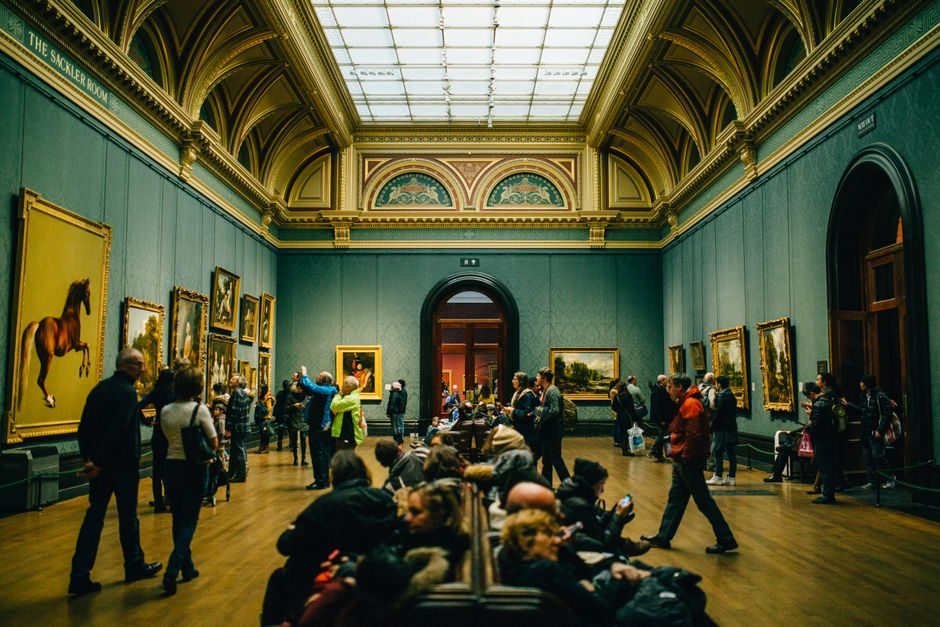
Lead with the core idea of the event and the experience attendees will have. Use active verbs and sensory details that suit visual arts and design audiences. This helps readers visualize the moment. A useful resource on this topic: decotidien.com actualités.
Balance brevity with clarity: 2–3 lines can spark interest, followed by a concise list of what to expect. Include any participation or interactive elements.
End with practical details like accessibility, hours, and RSVP steps. Avoid hype and focus on what makes the event unique.
- Core idea
- What visitors will experience
- Accessibility and hours
- RSVP and entry rules
Choosing the platform
Some platforms cater to contemporary art audiences, others to design and culture. Pick one or two core channels that fit your event’s vibe and audience. This keeps your message consistent.
Tailor the language: a gallery audience responds to terms like ‘exhibition’ and ‘artist talk,’ while design weeks might favor ‘installation’ and ‘workshop.’
Test different headings and images to see what resonates, then refine before the next listing.
- Platform fit
- Audience tone
- Consistent visuals
- A/B testing headlines
Pitfalls to avoid
Common posting errors
Overloading a listing with jargon or vague claims confuses readers. Clear, concrete details beat flowery language every time. Check for factual accuracy before publishing. A useful resource on this topic: ajouter votre commerce en France.
Missed deadlines or inconsistent venue details frustrate potential attendees and damage credibility. Maintain a simple editorial checklist for every post.
Poorly sized images or wrong formats can deter engagement; use high-quality photos that reflect the event.
- Jargon overload
- Inaccurate times or addresses
- Low-quality image assets
- Missing accessibility notes
- No RSVP path
| Platform focus | Audience fit | Effort vs payoff |
|---|---|---|
| Art galleries | Local and regional audiences | Moderate effort, clear audience signal |
| Design and culture sites | Broader creative audience | Moderate to high effort, wide reach |
| Artist networks | Specialized followers | Low to moderate effort, niche impact |
Legal and practical limits
Know the basics of local advertising rules and data handling for signups. Respect privacy and avoid collecting more data than necessary. This keeps you compliant and trustworthy.
If you collaborate with others, clarify roles and consent for shared listings to avoid mixed messages. A simple contract or memo helps keep details aligned.
Always include a contact method for questions and a fallback plan if there are last-minute changes.
- Privacy and data
- Collaborator clarity
- Contact and contingency plans
Review every field for consistency before publishing; small errors undermine credibility and turn readers away.
Tips to publish effectively

Best practices for impact
Use a strong visual hook that matches the event’s mood, followed by practical details readers can act on. The first line should convey the core experience. A useful resource on this topic: publier une offre d’emploi en France.
- Draft the listing
- Publish on primary channels
- Review performance after one week
Prioritize accessibility: include a map, transport options, and accessibility notes. A welcoming listing invites broader participation.
Review every field for consistency before publishing; small errors undermine credibility and turn readers away.
- Strong visual hook
- Clear call-to-action
- Accessibility notes
- Consistency check
Planning for future events
Treat each listing as part of a longer communication plan. Reuse successful phrasing and visuals with adjustments for new contexts. This saves time and builds familiarity with your audience.
Create a reusable template for different kinds of events to speed future postings without sacrificing clarity.
Regularly audit your listed events to ensure accuracy and timeliness across platforms.
- Templates
- Brand consistency
- Regular audits
How to promote beyond posting
Leverage local networks and partnerships
Expand the reach of your event by partnering with nearby galleries, studios, and cultural venues. Share a joint mailing list or cross-promote on each other’s channels to reach audiences who already attend related exhibitions. This approach builds trust through familiar spaces and shared interests. hommages et nécrologies en France
- ☐ Identify three potential partner venues and reach out with a tailored proposal.
- ☐ Create a shared one-page press kit with event details and images.
- ☐ Set a schedule for mutual posts and a coordinated display at partner sites.
- ☐ Track which partners refer audiences and adjust outreach accordingly.
Collaborate on printed programs, postcards, and in-venue displays to create a cohesive presence that feels like a community effort rather than a single post. Prioritize clear attribution so attendees know where to find more events like yours. The result is a network that sustains momentum beyond the launch date.
Coordinate with local press or arts writers to secure brief previews or photo opportunities. Provide accessible media kits with high-resolution images and concise summaries to streamline coverage. A steady rhythm of mentions helps keep your event visible across multiple weeks.
Extend reach through visuals and stories
Visual storytelling matters as much as the event details. Use inviting images and a short caption that explains what attendees will experience. This sparks curiosity without overselling the work.
Craft a few human-centered narratives: a studio visit, a detail of a technique, or a behind-the-scenes moment. These micro-stories travel well on social feeds and email newsletters. Consistency in tone helps readers recognize your voice across platforms.
Respect the pacing of your audience; avoid cluttered posts. A single, strong image with a crisp call to action performs better than a long block of text. Give readers a clear next step, whether it’s a link to tickets or a request for RSVPs.
Measuring impact and reach

Define what success looks like
Start with specific, observable goals for your listing: attendance, inquiries, or artwork sales tied to the event. These benchmarks anchor your evaluation after the event runs. Clear targets guide how you allocate resources for future listings.
Track engagement on posts and newsletters, noting what formats—image, video, or text—resonate most with your audience. Qualitative feedback from visitors can reveal motivations that numbers alone miss. Use insights to refine future descriptions and visuals.
Compare results against past events to identify patterns in timing, platforms, and audience segments. Recognize when momentum came from a partner shout-out or a particular venue. The pattern helps you plan more effective campaigns next time.
Use simple dashboards for clarity
A lightweight dashboard keeps your data digestible. Combine attendance counts with a few key engagement indicators like saves, shares, and requests for tickets. Simple visuals help non-technical team members understand results quickly.
Avoid overfitting decisions to the latest spike in numbers. Look for sustained trends over several weeks and correlate them with outreach choices. The aim is steady improvement, not quick wins.
Document what worked and what didn’t in a short post-event report. Share it with collaborators and venues so everyone learns from the experience. Shared learning strengthens future partnerships.
Accessibility and inclusion in listings
Make information usable for all
Ensure essential event details are available in plain language and multiple formats. Offer written descriptions for images and include wheelchair access information, quiet spaces, and allergy considerations when relevant. Clear, accessible listings invite a broader audience.
- Include alt text for all images in listings.
- State full venue accessibility details in plain language.
- Provide materials in multiple formats when possible.
Use high-contrast visuals and alt text for images in digital listings. Provide supplementary materials like large-print calendars or transcripts for any multimedia components. Accessibility is a practical step that expands participation without compromising the art experience.
Pilot a short accessibility note in every listing and invite feedback from readers. Small, repeated commitments build trust with audiences who rely on accommodations. It also signals respect for diverse viewing and participation styles.
Center underrepresented voices
Highlight works and events from artists whose backgrounds are not always represented in mainstream listings. Feature a short artists’ note or interview snippet to provide context. This practice enriches the cultural conversation and broadens appeal.
Collaborate with community groups and independent spaces for co-presentations that reflect local diversity. Sharing programming can reach audiences that might not encounter you through traditional channels. Inclusive curation creates a more vibrant art scene.
Monitor how inclusive practices shape attendance and engagement. If a particular voice or perspective resonates, plan follow-ups or related shows to sustain momentum. Consistency reinforces trust and invites ongoing participation.
Closing the loop with audiences
Invite conversations after events
Prompt attendees to share their experiences in person or online. A simple feedback form or a few questions in a follow-up email can yield valuable insights. Listening helps you tailor future listings to what resonates.
Offer follow-up material such as a gallery tour recap or an artist talk recap. Providing ongoing content keeps audiences connected between exhibitions and builds anticipation for the next show. The loop becomes a continuing relationship rather than a one-off moment.
Respond to feedback with visible signs of action, even if it’s a small adjustment. Acknowledge suggestions publicly when appropriate to demonstrate that readers’ voices matter. This transparency strengthens trust over time.
Keep a living calendar
Maintain an up-to-date events calendar that your readers can subscribe to. A single, reliable source reduces confusion and makes planning easier for artists and venues. Regular updates prevent broken expectations and lost opportunities.
Invite collaborators to contribute listings and edits, creating a shared resource rather than a solo project. A living calendar reflects the ongoing nature of the arts community and encourages participation. It also distributes the workload more evenly.
Use feedback about timing and frequency to adjust your scheduling. If readers prefer monthly roundups or weekly quick posts, adapt to sustain engagement. Consistency matters as much as quality.
Frequently asked questions
Who should publish events in France?Artists, galleries, museums, and arts organizations can publish events. The aim is to connect creative activities with audiences that appreciate visual culture. Align your listing with the venue’s programming and audience expectations when possible.
What makes a listing feel useful to readers?Readers value concise, actionable information: date, time, venue, ticketing, and access details. Include a short descriptor of what makes the event unique to spark interest. A well-crafted opening sentence often determines whether a reader scrolls further.
Can listings affect an artist’s reach beyond France?Yes, broader visibility often comes from cross-border collaborations and translation-friendly descriptions. Respect multilingual readers by offering essential details in at least one additional language where feasible.
How should venues coordinate with artists on listings?Start with a shared brief that outlines essential details like title, date, time, location, and access notes. A common template prevents last-minute changes from causing confusion. This keeps both parties aligned and reduces friction.
A thoughtful approach to listing events in France invites broad readership while honoring local context. Focus on practical details, inclusive language, and opportunities for ongoing engagement. The next step is to assemble a small, repeatable process that you can apply to every listing.
With consistency, you build a reputation for reliable, artist-centered communication. Start by drafting a simple brief for future events, then test, refine, and share results with partners. A clear, collaborative workflow strengthens your presence in the arts community.
Add Decoration & Art News Decoration & Art as a preferred source on Google


