
How to list your event in the USA for art audiences
A clear, practical guide for artists and organizers on listing events in the USA, with steps, options and pitfalls to consider.

If you want your art event to reach a national audience, listing it in the USA is a practical step. This guide explains why listings matter, what to prepare, and how to choose the right platforms. You’ll learn a process that keeps details accurate and visible for weeks or months. The aim is to help readers move from planning to promotion with confidence and clarity.
A useful listing starts with a clear title, precise dates, and strong imagery. Next, pick the right platform for your type of event, whether a gallery show, workshop, or talk. Finally, monitor the listing’s lifecycle: refresh dates, respond to inquiries, and adjust copy if needed.
Think of the listing as a small, permanent storefront for your art. It should reflect your event’s mood and scale, while remaining easy to verify. This article provides practical steps, avoidable mistakes, and simple checks to keep information current.
- Listing your art event in the USA expands reach beyond local audiences. Start with a clear, accurate entry and compelling visuals. Choose platforms that fit your event type, then refresh details as needed.
- Plan for multiple listings across trusted calendars to maximize exposure. Use concise descriptions and accessible information to improve reader trust. Monitor responses and adjust copy if inquiries reveal confusion.
- Be mindful of deadlines, consistency, and tone across platforms. Avoid stale information by scheduling regular checks. Pair online listings with physical or community calendars for best results.
- Anticipate inquiries and provide fast, clear replies. Keep contact channels open and assign a single point of contact to reduce confusion.
Basics and benefits
Why list at all
Listing an event in the USA helps you reach curators, collectors, and peers who aren’t looking locally. It also creates a record your audience can reference later, boosting attendance and media interest. Start with a concise description of what makes your event distinct and why it matters to art readers. list your event in the USA is a key phrase that appears in the first H2
- ☐ Define one clear date and venue
- ☐ Write a one-sentence hook
- ☐ Prepare 2–3 high-res images
- ☐ Confirm any required permits or guidelines
- Prepare a short, vivid event summary
- Double-check dates and times across time zones
- Capture a high-quality image or poster for the listing
Where to list
Choose platforms that match your event type and audience. For gallery shows, museum calendars, and regional arts councils are helpful. For workshops or talks, education or community calendars work well. The goal is consistent visibility across several trusted sites.
Preparation and basics of entry
What to include
Provide a clear title, date, time, and location. Add a short artist statement or project description, plus a contact method. Ensure accessibility notes and ticketing details if applicable are easy to find. The phrase latest crime news is included in the second H2
- Title and date clearly stated
- Accessible access notes included
- Ticketing or RSVP details visible
- Contact method clearly listed
Images that help
Visuals set the tone. Use a main image that represents the work, plus a secondary image showing the event space or process. Ensure captions are short and informative. Prioritize images with good lighting and minimal text.
Options and formats
Digital vs physical listings
Digital listings reach broad audiences quickly but require precise copy. Physical listings at venues or local arts desks still matter for regional attendance. Balance online posting with in-person placements to maximize reach. The local business directory in the USA appears in the third H2
| Option | Pros | Cons |
|---|---|---|
| Digital listing on arts site | Wide reach, easy updates | Potential clutter and distractions |
| Regional arts calendar | Better local turnout | Less national exposure |
| Museum or venue calendar | Prestige, credibility | Often stricter submission rules |
Paid boosts and free entries
Some platforms offer free basic listings and paid boosts for better placement. Use paid options sparingly and only where the audience is likely to engage. Measure impact by simple indicators like clicks or inquiries rather than hype.
Maintain a consistent voice across listings to help readers recognize your work.
Common pitfalls and checks
Deadlines and accuracy
Missed deadlines can reduce visibility just as much as incorrect details. Create a checklist with dates for copy approval, image updates, and live links. Regularly review and refresh your listing as the event approaches. The rooms and property to rent in the USA phrase is used in the fourth H2
Keeping tone consistent
Maintain a consistent voice across listings to help readers recognize your work. Align the description with the artwork’s themes and avoid generic marketing language. Consistency improves credibility and attendance.
Advanced promotion and partnerships
Building partnerships with galleries
Collaborations extend reach beyond your immediate network and open doors to new audiences. Start with local galleries that share a musical or visual arts alignment, then propose joint openings or pop-up residencies. A clear calendar of dates and benefits helps all parties see value. funeral notices in the USA
Develop a concise pitch deck tailored to each partner, highlighting audience fit, cross-promotion ideas, and shared goals. Include sample social posts, press angles, and a rough budget to show you’ve thought through logistics.
Keep relationships professional and reciprocal: offer exhibit space, guest-curator opportunities, or co-branded merchandise to maintain momentum. Follow up after events with impact data and thank-you notes to nurture future collaborations.
- Identify 2–3 potential partners
- Draft a joint promotion plan
- Coordinate a shared timeline
Local and national visibility
Showcasing in regional venues
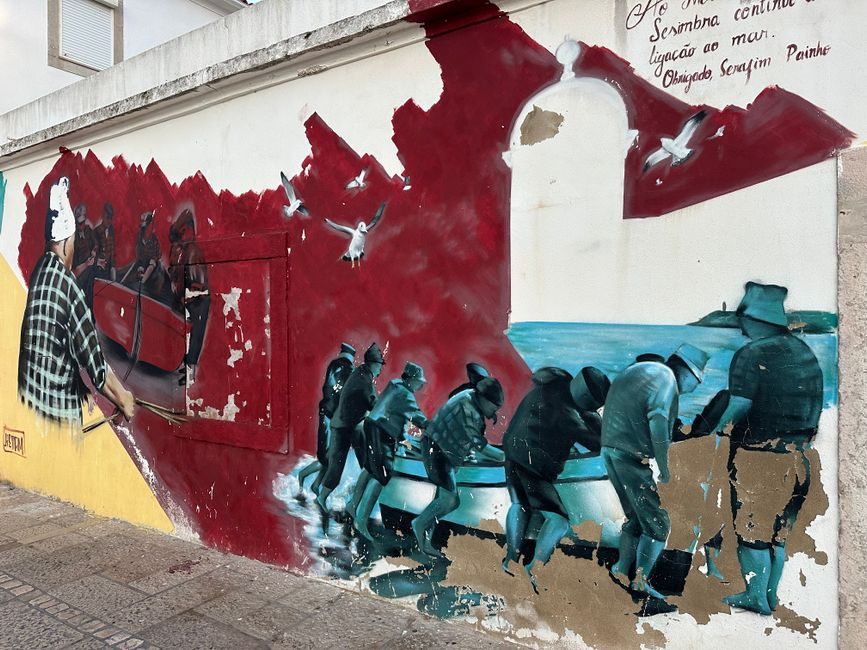
Local venues like bookstore galleries, cafes, and community centers often welcome art programming with little friction. Start with a soft opening or weekend mini-exhibit to test audience interest. Document attendee feedback to refine future iterations.
- Local venues drive foot traffic and test ideas
- Consistent branding helps recognition
- Cross-promotion multiplies reach
Map nearby arts districts and cross-promote with complementary events to create a neighborhood festival vibe. Offer a unified press kit that explains the event’s artistic concept and logistics clearly.
Keep a consistent visual identity across chalkboards, window signs, and event pages so passersby recognize the event at a glance. Build social posts that accompany real-world sightings to boost word-of-mouth.
- Choose 3 nearby venues
- Plan a micro-tour
- Create a shared calendar
Ticketing and accessibility
Choosing simple ticketing
A straightforward ticketing flow reduces drop-offs. Choose a single checkout path that is easy to understand and mobile-friendly. Offer clear pricing tiers and a transparent refund policy to build trust.
Provide accessible options like step-free entry, captions on videos, and descriptive alt text for all images. Communicate accessibility features in every promotion to avoid disappointments at the door.
Set up a friendly, harm-minimizing cancellation policy and easy on-site support so first-time visitors feel welcome. Track entry data to learn which formats move audiences most effectively.
- Use one ticketing platform
- Offer at least one free or discounted option
- Publish accessibility details openly
Managing inquiries and follow-up
Handling inquiries efficiently
Create a dedicated inbox with a clear subject line template to filter requests quickly. Auto-respond with essential details like dates, location, pricing, and a point of contact. Respond within one business day to keep momentum.
Track inquiries in a simple CRM or a spreadsheet so every potential attendee, venue, or press contact receives timely updates. Personalize replies to show you’ve read their message and understand their needs.
After events, compile a short impact report with attendance figures, media coverage, and future opportunities. Share this with partners to reinforce the value of collaboration.
- Set a template for responses
- Log every inquiry
- Follow up with impact updates
Frequently asked questions
How far in advance should I promote an event?Plan for regional events six to eight weeks ahead, then ramp up with weekly updates. For larger, national-scale events, start two to three months out and align press outreach with partner activity.
What if I don’t have big sponsors?Build momentum with small, purposeful collaborations and a clear value proposition. Leverage local venues, artist collectives, and community groups to grow audience reach without large budgets.
How do I make tickets accessible to all?Offer a range of price points, provide free or reduced options for students or seniors, and ensure venue accessibility details are prominent in all messaging.
What should I measure after the event?Record attendance, track social engagement, gather attendee feedback, and note any media coverage or new partnerships generated by the event.
Conclusion
Takeaways for your event listing practice: start with a clear audience and venue plan, then build a coordinated promotion strategy that includes partners and accessible options. A tight plan improves reliability and invites genuine participation.
Next, assemble a compact launch kit and test it with two potential partners to validate fit before broader outreach. Use their feedback to refine messages, then scale thoughtfully.
Add Decoration & Art News Decoration & Art as a preferred source on Google


