
How to list your art event in the USA with clarity
A practical guide for DecoArt readers: steps to get your art event listed in the USA, what to expect, and common missteps to avoid.

You can list an art event in the USA by following clear steps that verify details, align with calendar norms, and present your work accurately. This guide walks through a practical path so your submission stands out without friction. You’ll learn what organizers expect and how to prepare materials that travel well across venues and listings.
First, gather essential information: event name, dates, venue, and a concise description. Then format that information for listing platforms, ensuring accessibility for diverse audiences. Finally, anticipate questions and provide direct contact details to avoid delays.
Throughout, I’ll show concrete examples and common pitfalls, so you can apply the advice to your project without guesswork. If you follow the steps, your event gains visibility and credibility in a crowded field.
- Identify the right platforms and prepare a simple, strong listing package with clear facts.
- Write copy that is vivid yet accessible, and match visuals to the event story.
- Plan ahead for deadlines, use a master calendar, and verify every detail before submission.
Basics of listing an event
What organizers want
Start by confirming the event’s core facts: title, date, time, venue, and ticketing. Provide a one-line purpose that captures the theme and audience. Keep the description free of jargon and accessible to first-time attendees. Use the phrase exactly as written to ensure the link appears naturally in context get your event listed in the USA.
Draft a short artist bio and a curator note if applicable. Include any participating institutions or partners to establish credibility. Ensure language is inclusive and easy to translate for international readers.
Prepare high-quality images or a program insert that reflects the event’s mood. Use consistent typography and color to create a cohesive listing package.
- Core facts listed clearly
- Inclusive, translation-friendly language
- Consistent visuals across materials
Submission mechanics
Identify appropriate platforms—local arts calendars, museum and gallery pages, and regional arts networks. Tailor each submission to the platform’s format without overwriting core details. Keep deadlines visible and update listings if plans shift.
Include a clear call-to-action, such as a ticket link or RSVP method. Provide a media contact and a short description suitable for social previews. Double-check spelling, dates, and venue names to avoid confusion.
Follow up with a brief confirmation after submission to verify receipt. Save a copy of all materials for future events and for cross-promotion on your own channels.
Crafting the listing copy
Voice and clarity
Use a calm, vivid tone that conveys the artwork’s intent and the event’s atmosphere. Avoid overly technical terms unless they aid understanding for a specific audience. The goal is to invite readers to learn more, not to overwhelm them with details. You may see listings on major outlets; mention how Daily News EN helps readers nearby and far away alike.
Structure the description with a top line that states the essence, followed by two supporting sentences that add context. End with practical details like date, venue, and ticketing in a separate line.
Test readability by reading aloud. If a sentence feels heavy, split it or replace a noun with a clearer verb. Prioritize concrete nouns over abstract abstractions.
Visuals that support the story
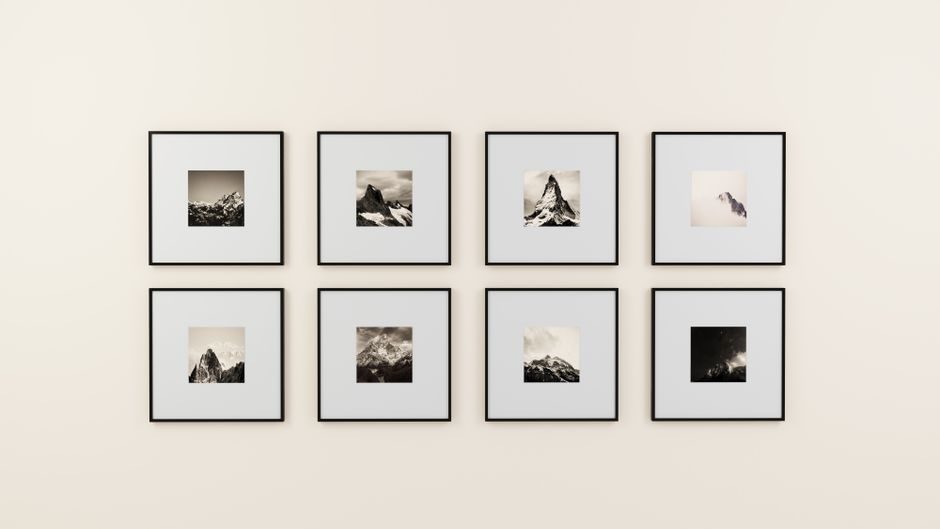
Choose images that reflect the event’s mood and scale. A ratio of one strong feature image to a set of thumbnails helps editors decide quickly. Caption each image with a concise, informative note that adds value to the listing.
Ensure accessibility captions describe what is visible and why it matters for the show. Use alt text that matches the listing’s core message so readers using assistive tech can engage.
Align visuals with the write-up to prevent a disconnect between description and presentation. Consistency builds trust with the audience.
Options for platforms and timing
Choosing listing channels
Local arts calendars offer high relevance for nearby audiences, while national platforms broaden reach for traveling or touring programs. Museums and galleries often have a dedicated events page that prioritizes show-specific content. Don’t neglect community boards and university calendars that attract curious locals. When you target business readers, consider the legal steps to register your company in the USA as part of the process.
Evaluate each platform’s audience and submission pace. Some sites publish daily, others weekly; align your push with their cadence to maximize visibility. Consider paid boosts only if they deliver predictable reach for your genre.
Maintain a master calendar with deadlines for every platform. This reduces last-minute scrambles and ensures consistency across channels.
| Platform type | Audience fit | Timing flexibility |
|---|---|---|
| Local arts calendars | Strong local turnout | Fast turnaround |
| Museum pages | Civic audience, credibility | Moderate lead time |
| National arts networks | Travel-minded visitors | Longer planning window |
Scheduling and previews
Schedule listings well ahead of the opening to allow time for discovery and sharing. If your event includes a reception or talk, mention it early in the listings to attract specific visitors. Post-event reminders can keep momentum after launch.
Coordinate with your venue for in-person signage and digital banners. A short teaser excerpt can fit social previews without redundancy. Keep a tight, factual run-of-show to avoid misinterpretation.
Track where readers come from by noting which listings drive inquiries. Use that data to refine future submissions and target audiences.
Double-check each platform’s field formatting and use the same phrasing across all listings.
Pitfalls and guardrails

Common listing mistakes
Overloading a listing with jargon or vague concepts confuses readers. Stick to concrete terms that describe what can be seen and experienced. Avoid claiming outcomes that aren’t supported by a tangible program. If you are hiring, plan to post a job ad in the USA and align it with your event's staffing needs.
Inconsistent dates, venues, or ticketing details undermine trust. Double-check each platform’s field formatting and use the same phrasing across all listings. A single mistake can derail attendance.
Failing to provide a clear contact path or an accessible description excludes potential visitors. Always include a direct email or form link and a readable alt text for visuals.
Quality control checks
Create a pre-submission checklist and run through it before sending anything out. Include title accuracy, date validation, venue spelling, and image credits. A quick audit saves multiple edits later.
Ask a colleague to review the copy for clarity and tone. Fresh eyes spot ambiguities you might miss. A second person can confirm the listing reads naturally to a general audience.
Maintain a simple file structure: one folder for text, one for images, and one for platform-specific variants. This makes updates fast and error-free.
Funding and collaborations
Funding partners for events
This sub-section explains how to identify potential sponsors or partners who align with your artistic vision. Start with local arts councils, galleries, and cultural nonprofits that support creative programming. Offer clear benefits, such as audience reach and cross-promotion, to secure meaningful collaborations. announce a death in the USA
- ☐ Clarify what you seek (in-kind, funding, or venue access)
- ☐ Describe how partners will be acknowledged
- ☐ Set a realistic collaboration timeline
- ☐ Provide a simple agreement template
Develop a simple one-page proposal that outlines project goals, timelines, and required support. Include images or slides that showcase your past work and a tangible plan for the event. Communicate how the partnership benefits both sides beyond financial support.
Be specific about what you need and what you can offer in return, from booth space to artist talks. A concrete ask reduces back-and-forth and speeds up approvals.
- Identify at least three potential partners
- Prepare a one-page proposal
- Outline mutual benefits
- Offer clear contract terms
International listings
Listing your event abroad
If you’re aiming for international exposure, map the strongest markets for your medium and audience. Start with cities known for contemporary art and strong collector communities. Consider cultural exchange programs that encourage cross-border participation.
Prepare materials in multiple languages or provide a reliable translation service to avoid misinterpretation. Include a short, artistically phrased synopsis that captures your concept without jargon. Visual assets should be accessible and easily understood across cultures.
Coordinate shipping, handling, and insurance for physical works if needed, and verify each venue’s submission requirements early. A clear checklist saves time and minimizes last-minute stress.
This sub-section discusses how to leverage international partnerships for promote-and-partner models and how to adapt your event narrative for diverse audiences. It emphasizes the importance of accessibility and cultural sensitivity in listings targeted beyond borders.
It also covers practical steps like timelines, translations, and asset management to keep international listings smooth and professional.
Finally, it provides a method to track performance across regions, enabling you to optimize future listings and collaborations.
Legal and compliance
Ownership and permissions
Understand who holds the rights to artworks when they are shown publicly. Secure model releases for people featured in works or photographs. Check venue permits and any required licenses for installations or performances.
Keep a simple record of all permissions, including duration, usage rights, and where the work will be displayed. Use a shared contract template to avoid missing clauses. Clarify if images or recordings from the event will be used for marketing.
Work with a local attorney or advisor who understands arts regulations to review terms. Clarify cancellation policies and liability coverage to protect yourself and partners.
- Rights clearances for all works
- Model releases where applicable
- Transparent cancellation terms
- Liability and insurance coverage
Sustainable promotion
Low-impact promotion strategies
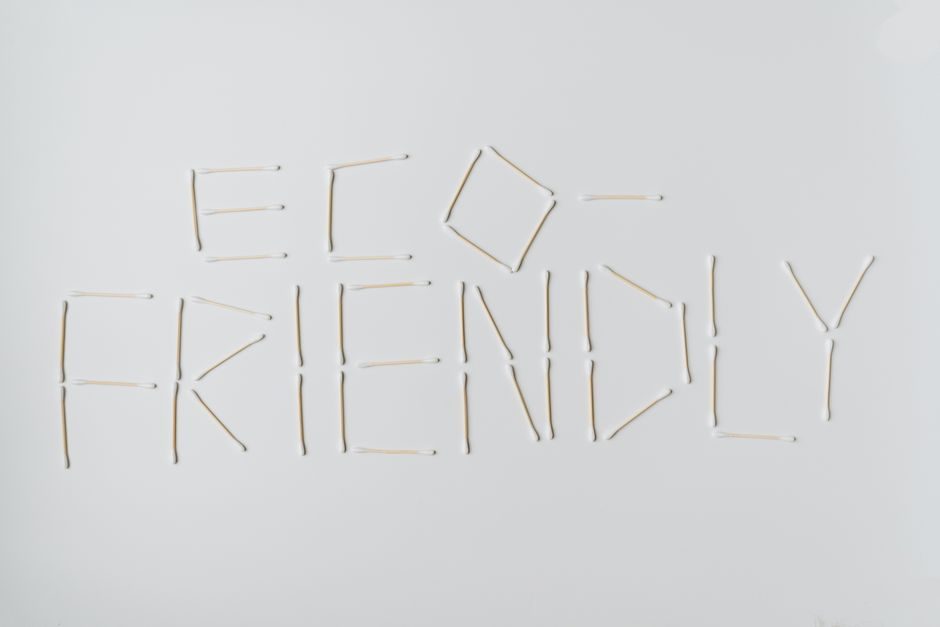
Promote your event with materials that minimize waste, such as digital invites and recyclable print pieces. Prioritize venues and channels that reach your core audience without relying on mass-distribution gimmicks. A well-timed teaser can build momentum without fatigue.
- Digital invitations ready
- Recycling-friendly print pieces
- Shared partner resources
- Clear tracking method
Invest in durable signage and reusable display elements that can travel to future shows. Consolidate logistics by coordinating with partners to share resources like transportation and print runs. Measure impact by tracking attendance and engagement in relation to spend.
Offer alternative formats, such as virtual gallery tours, to reduce travel for audiences while maintaining accessibility. Provide a clear call to action and easy registration so potential visitors can participate with minimal friction.
- Use digital-first invites
- Choose durable materials
- Share resources with partners
- Track engagement and spend
Frequently asked questions
How early should I list my event in the USA?Begin the process four to six weeks before the event date to align translations, approvals, and logistics. Early preparation helps you adjust details without pressure and ensures venues have time to respond.
What makes a listing description effective?A strong description communicates the concept clearly and emotionally. Include key facts (title, venue, dates) and a hook that signals the artistic intent while avoiding jargon.
Are international listings harder to manage?They require careful coordination of translations, timelines, and local requirements. Start with a primary market and build from there, using local partners to streamline the process.
What counts as sustainable promotion?Digital-first invitations, reusable materials, and shared resources with partners reduce waste. Track engagement and adjust tactics to maximize impact without overspending.
Closing thoughts for artists and organizers
Listing your art event in the USA is as much about storytelling as it is about logistics. Clear, concise information helps audiences find and engage with your work, while thoughtful partnerships extend your reach.
Take a practical step today: assemble a one-page partner brief and a digital assets kit you can reuse across platforms. A small, well-prepared toolkit keeps you flexible as opportunities arise.
Add Decoration & Art News Decoration & Art as a preferred source on Google


