
Understanding Schweiz Kleinanzeigen for Artists: Practical Guide
A clear, art-focused explainer on Schweiz Kleinanzeigen: what it is, why it matters for artists, and how to use it safely and effectively.

Artists often encounter local classifieds when sourcing materials, studio space, or collaboration opportunities. This explainer clarifies Schweiz Kleinanzeigen: what it is, when it helps, and how to use it without clutter or risk. You’ll come away with concrete steps to evaluate listings and protect your work and time.
The guide stays focused on practical steps for creatives: how to search, how to verify postings, and how to communicate clearly with sellers or partners. Expect direct tips you can apply immediately to avoid wasted effort and miscommunication.
If you curate exhibitions or seek affordable studio time, this resource helps you navigate listings with confidence, so you can prioritize meaningful opportunities over noise. It also outlines common pitfalls and simple checks that keep your project on track.
- Schweiz Kleinanzeigen can be a practical resource for artists seeking space, materials, or collaboration locally. Read listings carefully, verify terms, and document every step. Use a calm, professional approach to protect your time and projects.
- Focus on listings with concrete details, clear contact information, and feasible timelines. Always confirm location, access, and safety requirements before committing.
- Maintain a simple record of communications and terms to avoid misunderstandings. Treat potential opportunities as experiments with defined milestones and exit terms.
- This guide emphasizes practical checks, cautious engagement, and clear documentation to make local classifieds supportive of your art practice.
Basics and purpose
What it is and who uses
Schweiz Kleinanzeigen refers to local classified listings in the Swiss market, covering everything from art supplies to studio space and collaborative projects. Most art-focused postings are short, practical, and time-bound, inviting quick responses. Understanding the platform’s intent helps you filter noise and focus on relevant offers.
These listings differ from gallery notices or formal auctions; they are often community-oriented and faster-paced. As an artist, recognizing the casual tone can save time and prevent misinterpretation. Start by identifying sections most relevant to creative work and avoiding broad general ads.
A first check is the posting date and location. If the item or space is within reasonable travel or delivery limits, consider it further. If a listing lacks essential details, treat it as low-priority and move on.
- Look for clear contact details
- Note exact location and size
- Check required materials or rules
- Gauge response speed and clarity
- Beware vague promises
How to read listings
Good listings state the item, condition, and price or exchange terms plainly, plus a mode of contact. Even when space or materials are offered, expect a straightforward description. Clear listings save you follow-up time and reduce miscommunication.
When you see a price or trade, compare with your budget and recent local rates. If the listing lacks a price, ask directly, but keep your request brief and professional. A well-written introduction to your intent helps you stand out without pressure.
Always verify the posting’s locale and applicability to your project. If the listing mentions workshops or meetups, confirm dates, capacity, and accessibility before committing.
How to use it for art projects
Finding studio or space
Locating affordable studios or weekend spaces can open new creative possibilities. Search for listings that include square footage, ventilation, and hours. A practical choice supports your workflow and output. A useful resource on this topic: Aktuell News online.
- ☐ Assess the room size relative to your equipment
- ☐ Verify ventilation and electrical capacity
- ☐ Note proximity to sources of inspiration or collaborators
Ask about shared terms, safety requirements, and accessibility. A good listing will mention these details upfront, helping you compare options quickly.
When you visit, plan a concise tour checklist: lighting, noise levels, and lease flexibility. Your notes will guide a clear decision rather than guesswork.
- Clarify hours and access
- Ask about lease length
- Request photos or video
- Check safety provisions
- Confirm payment terms
Materials and collaboration
Classifieds often list art supplies, framing services, or joint projects. Prioritize items that integrate with your practice and avoid purchases that promise results you can’t verify. A practical check aligns with your current needs.
Communication matters: request specific model numbers, dimensions, or sample images. This avoids mismatches and returns frustrations.
Track communications in a simple log: who, what, when, and expected outcome. This creates a reliable trail and reduces confusion when plans evolve.
- Ask for exact dimensions
- Request condition and age
- Seek photos or videos
Options and safety
Trust and safety basics
Classifieds carry legitimate opportunities and occasional miscommunications. Prioritize listings with clear contact details, verifiable references, and transparent terms. Remember that fast responses can signal genuine interest or urgency. A useful resource on this topic: Event eintragen in der Schweiz.
- Keep a written record of all messages
- Ask for contact verification when possible
- Avoid wire transfers to unfamiliar accounts
Always confirm the legitimacy of an offer before sharing personal data or upfront payment. If something feels off, pause and reassess. A cautious approach protects your time and work.
Protect yourself by keeping communications written and simple. Avoid over-sharing sensitive information until you’re sure the listing is legitimate.
- Prioritize verifiable contact
- Look for consistent details
- Avoid upfront payments before verification
- Trust your gut and pause if unsure
| Option | Pros | Cons |
|---|---|---|
| Immediate sourcing | Fast results, low friction | Variable quality, hidden costs |
| Moderate collaboration | Shared effort, learning | Longer lead times, potential misalignment |
| Professional services | Clear terms, reliability | Higher cost, formal process |
Deal terms and expectations
Clarify what is being offered, when, and at what cost. A straightforward agreement saves future disputes and keeps a project on course.
Draft a short message requesting essential terms: access, duration, and responsibilities. If the listing offers collaboration, set expectations for authorship and credit.
When in doubt, propose a trial period or a partial engagement to test fit without committing too deeply.
- Request a simple written outline
- Agree on deliverables and credits
- Set a trial period
- Confirm cancellation terms
Guard against scope creep by documenting agreed tasks and deadlines in writing.
Common pitfalls and how to avoid them

Overpromising
Listings may promise big results with little detail. Stand firm on concrete deliverables and timelines. If promises are vague, ask for specifics or move on. A useful resource on this topic: Dienstleister eintragen in der Schweiz.
- Identify vague language and press for specifics
- Propose measurable milestones
- Keep communications formal and clear
Guard against scope creep by documenting agreed tasks and deadlines in writing. This helps you protect your time and maintain artistic focus.
When a project asks for nonstandard terms or upfront payments, pause and reassess before committing.
- Demand concrete milestones
- Insist on written terms
- Watch for red flags in payment
- Prefer incremental work
Unclear terms and hidden costs
Some listings omit fees for materials, delivery, or studio access. Ask for a breakdown and a timeline for when charges apply. Clear terms prevent later surprises and disappointments.
Review cancellation policies to protect your schedule and budget. If a term seems ambiguous, request a rewrite in plain language.
Keep a simple ledger of costs and duties to stay aligned with your project plan.
- Request itemized costs
- Clarify cancellation terms
- Document responsibilities
- Track expenses
Budgeting for listings
Pricing sanity for posts
Set a realistic budget for each listing you publish, balancing time, materials, and potential exposure. Use a simple per-project rate rather than hourly to avoid overcharging or underpricing. Compare similar postings to gauge fair ranges and adjust as needed. Nachruf veröffentlichen in der Schweiz can be explored for community updates and archival listings.
Track every spend related to the listing, from photography to transport. This helps you decide whether the listing is worth continuing or should be revised. A clear ledger also makes it easier to justify your costs if asked by a curious client.
Plan a small contingency for unexpected costs such as last-minute framing or urgent shipping. Keeping a modest reserve prevents a single listing from draining your studio's budget and maintains momentum for broader promotion.
- Set a baseline price for common art items
- Add a modest buffer for materials
- Consider time as a billable factor
- Reassess after each listing
- Avoid discounting too aggressively
Regulatory considerations
Permissions for postings
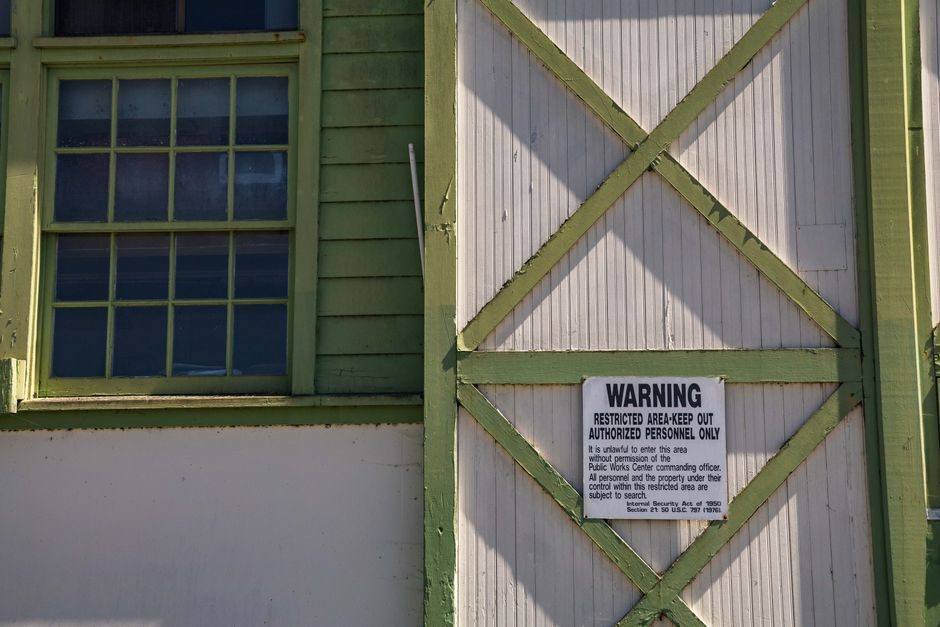
Understand what rights you’re granting when you post images or descriptions of your work. Use clear language about usage, attribution, and any derivative rights you’re open to. This prevents misunderstandings if a gallery or buyer reuses your content.
Maintain records of your agreements with buyers and collaborators. Having a written note helps you enforce fair usage and protects your intellectual property without slowing down sales.
If you work with excerpts from others’ work or public images, obtain proper licenses or permissions beforehand. This keeps your listings compliant and reduces the risk of takedowns or disputes.
- Clarify image rights
- Document agreements
- Avoid unauthorized reuse
- Keep licenses organized
Community etiquette
Respectful communication
Engage with buyers and peers with courtesy, even when a deal falls through. A brief, constructive reply preserves relationships and keeps doors open for future collaboration. Tone matters as much as content.
Be transparent about timelines, shipping, and availability. Honesty builds trust and reduces back-and-forth questions that delay decisions.
Offer helpful alternatives when a preferred option is unavailable. Suggest similar works, sizes, or different price points to keep momentum without pressuring the buyer.
- Reply promptly
- Be clear about limits
- Suggest fair alternatives
- Thank the reader
Digital tools and exposure
Showcase optimization
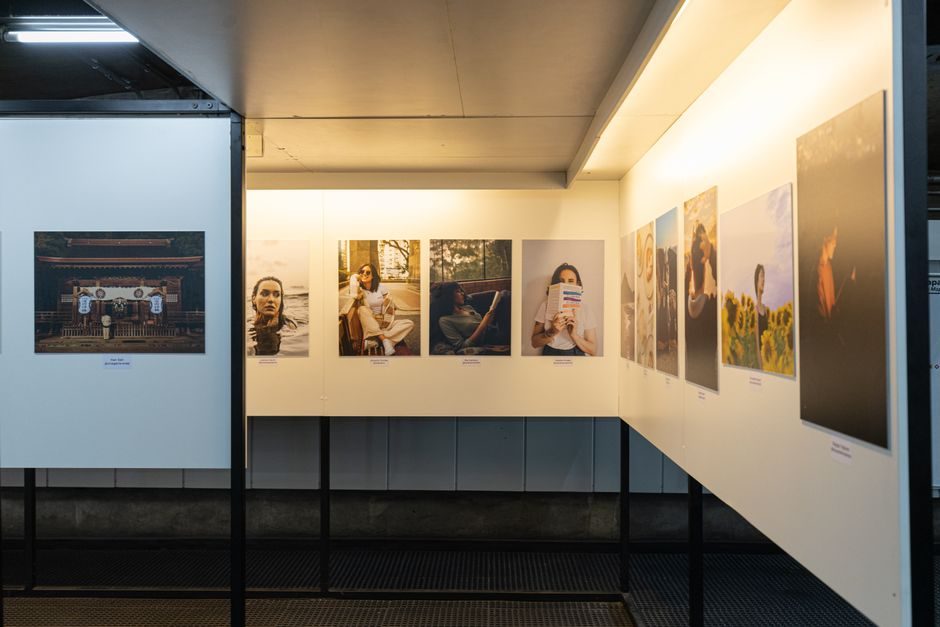
Curate a few high-quality images that tell a coherent story about the work. Use natural lighting and plain backdrops to avoid distractions. A focused series helps viewers understand the piece’s context and technique.
- Highlight your best piece first
- Keep captions focused on value and context
Craft concise, descriptive captions that reveal process or concept without over-explaining. This makes the listing informative and engaging for both curious browsers and serious buyers.
Leverage a simple call to action, such as inviting viewers to contact you for details or commissions. A clear next step reduces guesswork and speeds responses.
- Use 3-5 strong images
- Write short, informative captions
- Include a straightforward call to action
- Showcase process shots sparingly
- Avoid cluttered layouts
Frequently asked questions
Can I use Schweiz Kleinanzeigen for non-Swiss artwork?Yes, but be clear about shipping constraints and any regional limitations. Explain how you handle international buyers and customs, and offer timeline estimates that reflect logistics. Transparency reduces miscommunication and builds trust.
What if I get no replies to a listing?Revisit your photos, captions, and pricing. Consider adding a process shot or two, and tighten the call to action. A quick follow-up message can revive interest without pressuring the buyer.
Are there common scams to watch for?Be cautious of requests for payment outside the platform and unusually vague terms. Stick to secure communication channels and document your agreements, especially around shipping and delivery.
How often should I post new work?Aim for a steady cadence that fits your schedule. Regular posts keep your audience engaged, but quality should not be sacrificed for frequency.
Next steps for artists
Adopt a simple, repeatable workflow for every listing to reduce decision fatigue and improve consistency.
Start by validating pricing and rights, then build a concise photo set and caption framework that supports clear communication with buyers. This creates a reliable process that scales with your practice.
Add Decoration & Art News Decoration & Art as a preferred source on Google


