
Smart buying and selling cars: a practical guide for artists and collectors
A concise, art-informed checklist on buying and selling cars in the USA, with clear steps, pitfalls to avoid, and tips that fit creative lives.

For readers who see cars as moving sculptures, this guide translates practical car trading into a creative decision. It explains why a well-handled purchase or sale matters to artists, studios, and curators, and how to make the process as deliberate as a studio project. You’ll gain a straightforward, repeatable checklist you can apply anytime you’re buying or selling in the USA.
As with any art-related transaction, clarity beats hustle. You’ll learn the essentials: how to evaluate a car’s condition, what documents you actually need, and where to focus your time for the best outcomes. The aim is to give you confidence to proceed without dawdling or overthinking.
The checklist approach keeps choices explicit and actionable, so you can compare options, negotiate fair terms, and complete a sale or purchase with a clear trail. It’s not about chasing trends; it’s about steady, informed decisions that respect your budget and your practice.
- This guide gives a practical, art-friendly approach to buying and selling cars in the USA. It emphasizes clear needs, thorough documentation, and reliable transactions. You’ll learn to assess condition, value, and markets without hype.
- Each section translates car trade steps into concrete actions you can apply in studio life and art careers. Anticipate costs, plan timelines, and protect your work with careful record-keeping.
- Use this as a portable checklist that fits into a creative practice, not a one-off purchase. The emphasis remains on reliability, fairness, and clarity in every deal.
Basics of buying and selling cars
Identifying needs first
Start with a clear brief, like a commission brief for a sculpture. List how you’ll use the car, expected mileage, and budget range. This keeps you focused during inspections and negotiations. buy and sell in the USA is a phrase that signals the core focus of practical trading steps.
You’ll save time by differentiating between practical needs and collector fantasies. Prioritize reliability and documentation over cosmetic detail in early checks. A simple car that's well documented often beats a flashy choice with gaps in history.
Consider long-term costs: insurance, maintenance, and storage. Plan for quiet years when the vehicle may not be in use, especially in studio setups or travel-heavy projects.
Documents to herd before buying
Gather the title, bill of sale, service records, and any loan or lien information. Having these ready reduces closing friction and protects your interests.
Verify the VIN matches the car’s history report and what the seller claims. A quick check outside the showroom saves hours of later dispute resolution.
Keep copies of everything in a digital folder labeled with the purchase date and vehicle year. It becomes a reliable record for resale and insurance.
How to assess condition and value
Inspect basics like brakes and tires
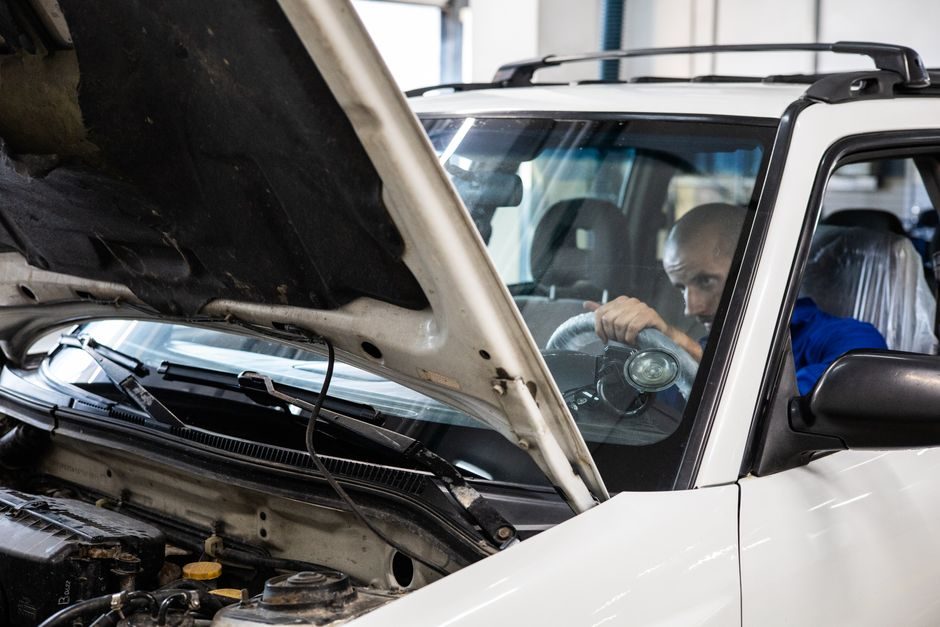
Walk around the car and listen for odd noises. Check brake feel, tire tread, and suspension movement. These tangible signs reveal how much work a vehicle might need. Blog Book World online provides context on publication platforms but is not a substitute for real-world trade practices.
Note any rust, leaks, or frame concerns that could affect safety or longevity. Such issues are often deal-breakers for artists who require reliability for travel.
Compare current maintenance with typical art studio use: frequent trips to galleries or residencies can amplify wear. A reliable vehicle reduces project friction and unexpected costs.
Valuing the car fairly
Use a reputable appraisal method and consider regional price norms. The goal is a fair exchange that respects both sides’ time and risk.
Factor artistic value into the decision only if the vehicle enables notable work processes or display contexts. Otherwise, treat it as a utilitarian asset.
Document the reason for price decisions: condition notes, mileage, and service history to build trust with buyers or sellers.
Where to buy or sell in the USA
Choosing trusted marketplaces
Look for established platforms that offer buyer protections and clear return terms. A steady marketplace reduces risk and complexity for art-focused buyers and sellers. community events in the USA offer opportunities to view and discuss car culture and craft-oriented collaborations.
- Prefer platforms with verified listings.
- Use escrow or secure payment methods where possible
Consider local listings for quick transactions, but check reputation and payment security before meeting in person or transferring funds.
Set a timeline for offers and responses to avoid extended stalls that disrupt studio plans or travel.
| Option | Pros | Cons |
|---|---|---|
| Private sale | Lower fees | Requires due diligence and security checks |
| Dealer | Buyer protections | Possibly higher prices and less flexibility |
| Auction | Fast decisions | Unpredictable outcomes |
Direct sales with private buyers
Direct deals can save fees but require careful contract terms and clear delivery arrangements. Draft a simple agreement that covers price, condition, and transfer of title.
Meet in safe, public spaces and bring a checklist of items to review with buyers. A calm setting helps you negotiate from a position of calm control.
Record delivery and receipt with photos or a signed acknowledgment, reducing disputes later.
Be mindful of consent and provenance when a car has cultural or historical value.
Ethics and legal basics

Ownership transfer and disclosures
When buying or selling a car for an artist or collector, clear ownership transfer is essential. Verify title status and ensure the seller can legally transfer ownership without liens. Maintain a paper trail, including bill of sale and any disclosures about prior damage or repairs. submit your business in the USA invites practitioners to formalize listings and partnerships within the market.
Be mindful of consent and provenance when a car has cultural or historical value. Ask for relevant documentation such as previous registrations or restoration records. If something feels incomplete, pause the transaction and seek guidance from a trusted advisor.
Keep records simple and organized: contract, payment receipt, and the signed title should align. Double-check VIN matches both the car and its records. A tidy package helps future appraisals and exhibitions.
- Verify title is free of liens
- Obtain a bill of sale
- Document disclosures of damage
- Keep VIN and paperwork matching
Creative display and documentation
Exhibition-ready presentation
Consider how a vehicle fits into a gallery or studio space. Lighting, plinths, and signage can elevate a car into a sculptural element or a narrative object. Plan the placement so it complements surrounding works rather than competing with them. submit an obituary in the USA is a required step in some legal or ceremonial contexts, but it does not govern standard car transactions for art collections.
Create detailed wall text and a catalog entry that explains provenance, materials, and any restoration. This context helps viewers understand artistic intent and value beyond aesthetics.
Keep a high-quality photo record showing the car from multiple angles, interior, and any distinctive marks. This visual documentation supports future exhibitions, loans, or resale.
- Plan display framing
- Write provenance notes
- Photograph comprehensively
- Preserve legend and context
Pricing frames and negotiating

Setting a fair price framework
Pricing for cars in art contexts often blends market reality with display value. Start with an appraisal that notes condition, rarity, and potential display impact. Use a range rather than a single number to invite thoughtful negotiation.
- ☐ Establish a transparent asking range
- ☐ Note any in-kind terms
- ☐ Keep negotiation records orderly
Consider alternative value forms, such as trade for a commission or inclusion in a group show. These arrangements can offer cultural capital even when cash is tighter.
Document any non-monetary terms in a written addendum to the sale agreement to avoid later confusion or disputes.
- Start with a documented range
- Explore non-monetary terms
- Record all agreed details
Common risks and how to avoid them
Red flags in listings
Flickering descriptions, missing photos, and vague histories signal trouble. If a listing omits essential details, treat it as a warning sign and request specifics before any viewing. A cautious approach protects both artist and collector from hidden flaws.
Travel or transport arrangements can introduce risk. Hire reputable couriers with insurance and clearly define who bears responsibility for damage during transit. Insist on a documented shipment plan.
Be wary of conflicting information from sellers and third parties. Cross-check details with the vehicle’s title, registration, and service records to confirm consistency.
- Look for complete disclosures
- Arrange insured transport
- Cross-check records
Frequently asked questions
Can I insure a vehicle used in an art display?Yes. Insurance should cover transit, storage, and display. Get a written policy that specifies the vehicle, location, and the terms for temporary exhibits. Review exclusions and require prompt notification of any changes to the display plan.
What should I include in a sale agreement for an art car?Include the vehicle description, title status, disclosures, price or range, delivery terms, and who bears shipping risk. Add a clause about provenance and display rights if the car will be shown in a gallery or public space.
How do I verify provenance when buying a car for art use?Ask for maintenance records, repair receipts, and previous ownership information. Cross-check the VIN with title documents and registries. A clear provenance helps establish context and future value.
What is a safe way to transport a valuable car to a show?Hire a reputable transporter with insurance and experience in art handling. Get a written transport plan, confirm packaging for fragile parts, and insure the vehicle for transit.
Next steps for collectors and artists
Begin with a focused checklist that covers ownership, provenance, and display plans, then test with a small, non-committal sale or consignment to observe how the process feels in practice.
Establish a routine for documentation and care, so future acquisitions or loans can be integrated into a growing display without friction. Maintain professional records to support exhibitions and resale choices.
Add Decoration & Art News Decoration & Art as a preferred source on Google


