
Sell second-hand items in Dublin: a practical art-focused guide
A clear, creative guide for artists and collectors in Dublin on selling second-hand items, with practical steps, tips, and potential pitfalls.

You’ll learn how to turn unwanted art and design items into value without losing your creative edge. This guide gives you clear steps for preparing, listing, and selling in Dublin, with an eye on how galleries, studios, and artists can benefit. By the end you’ll know when to prune a collection, where to sell, and how to protect your work’s image while passing pieces on.
If you’re an artist or collector, selling second-hand items can free studio space and fund new projects. This article frames the process around care for your work, fair pricing, and respectful exchanges with buyers. Expect practical checks, realistic timelines, and concrete phrases you can use in conversations.
The path is straightforward: clarify your goals, get the right presentation, choose trusted venues, and guard your reputation. You’ll move from inventory to engaged buyers with a calm, studio-minded approach. Ready to start with a plan that suits your practice and city life in Dublin.
- This guide helps artists in Dublin sell second-hand items with clarity and care.
- It covers where to sell, how to price, and how to manage documentation and expectations.
- You’ll learn practical steps, common pitfalls, and concrete phrases to use with buyers.
- The plan emphasizes respectful exchanges and a steady, studio-minded approach to resale.
Foundations for selling second-hand art
Define your goals clearly
Begin by identifying what you want to achieve beyond money. Decide whether you aim to prune a collection, fund a new project, or test a new style with a small audience. This clarity shapes what you keep, what you list, and how you present pieces to buyers. sell second-hand items in Dublin naturally fits with a local art economy.
This step keeps the process practical: it prevents impulse sales and helps you set boundaries on price, provenance, and condition. It also guides which venues suit your work and what kind of buyers you want to attract.
Finally, document each item’s story—materials, techniques, inspiration—so buyers see value beyond aesthetics. A well-told narrative can justify price and attract the right audience.
- Clarify goal before listing
- Match venue to item type
- Capture provenance and condition
- Prepare a concise item story
Assess condition and documentation
Review each item for wear, repairs, or alterations that affect value. Honest, precise notes prevent surprises for buyers and reduce post-sale issues. Keep a simple checklist for condition, medium, size, and any restoration work.
Photographs should reveal texture, surface, and edge details. Good lighting and multiple angles help buyers assess condition remotely, reducing back-and-forth questions.
Prepare receipts or notes about materials when possible; clear documentation supports confidence in the sale and your professional approach.
- Check for structural issues
- Note media and dimensions
- Capture lighting and textures
- Provide any restoration history
Where to show and sell in Dublin
Choose venues that fit your work
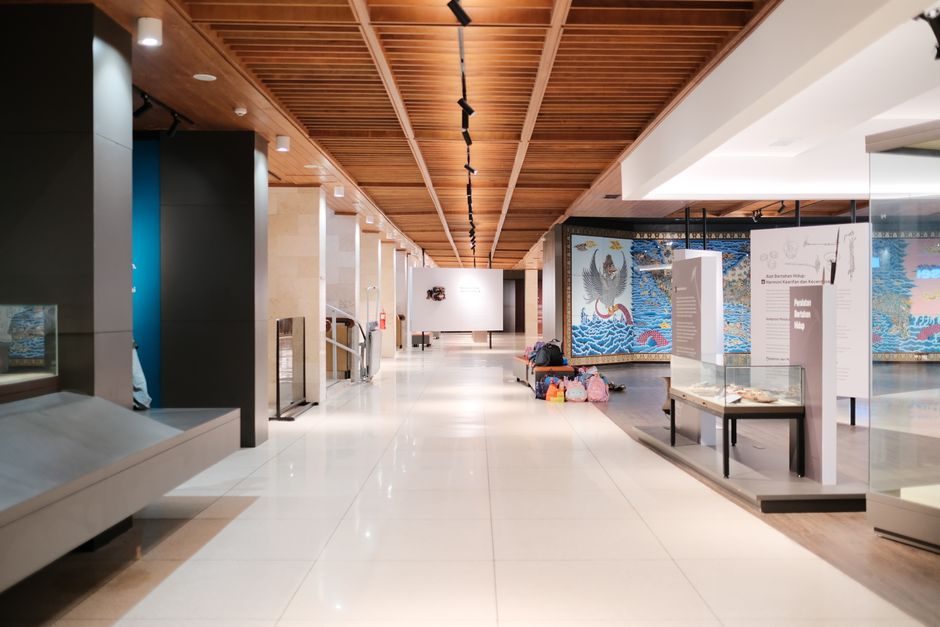
Consider galleries, studio-village spaces, pop-ups, and antique fairs—each reaches different buyers. A small, curated show can attract serious collectors, while casual markets bring curious newcomers. Align venue vibe with your art’s season and mood. Dublin News & Updates keeps you informed about local venues and opportunities.
Evaluate crowd types: some venues reward conceptual work, others favor decorative pieces or craft. Your piece selection should reflect what the space usually attracts and the audience’s expectations.
Ask about commissions, setup rules, and timelines so your planning aligns with the venue’s rhythm. Clear agreements protect both sides and keep the sale process smooth.
- Galleries for concept work
- Pop-ups for access and dialogue
- Antique fairs for materials-heavy pieces
- Studio sales for direct engagement
Online and offline balance
Pair in-person shows with online listings to widen reach without losing the tactile appeal of art. Photos and a generous description online help buyers who cannot visit in person.
Use local platforms and art networks to reach people who appreciate Dublin’s creative ecosystem. Keep your gallery pages aligned with your studio’s branding to maintain consistency.
Online posts should be purposeful: highlight a piece’s texture, technique, or story and invite conversations about commissions or exhibitions.
- Link online listings to physical showcases
- Maintain consistent branding
- Offer commission options
- Provide clear contact details
Pricing and terms you can trust
Set fair, informed prices
Prices should reflect the work’s time, materials, and intent rather than only market trends. Start with a baseline that captures your effort and gradually adjust for demand or scarcity. submit an event in Dublin is a straightforward way to announce studio happenings or pop-ups.
- Base price on effort and cost
- Include delivery or framing if applicable
- Set a clear negotiation floor
Provide a transparent pricing note about what is included—framing, delivery, or installation. Clear terms reduce misunderstandings and build trust with buyers.
When unsure, seek a gentle valuation by comparing similar works in Dublin, but avoid overstating your piece’s rarity or significance.
- Base price on cost and time
- Clarify inclusions and delivery
- Avoid inflated comparisons
- Offer negotiate with guardrails
| Option | Pros | Cons |
|---|---|---|
| Online listing only | Wide reach | Less personal interaction |
| In-person gallery | Direct engagement | Higher commissions |
| Marketplace stalls | Low cost | Limited display space |
Documentation and receipts
Keep a simple file for each item with photos, a written description, and a sale record. This helps you track what sold, for how much, and to whom, which is useful for future pricing and exhibitions.
Provide a receipt that confirms the sale and any agreed conditions like delivery dates or post-sale follow-up. Keep copies for your records.
If you issue a certificate of authenticity, make it precise and tied to the item’s history and materials rather than speculative claims.
- Create per-item files
- Record sale details
- Offer clear receipts
- Be precise with authenticity
Test different price points through small stings of listings to gauge responses, then adjust as you learn what buyers value about your work.
Common pitfalls to avoid
Overpricing or underpricing
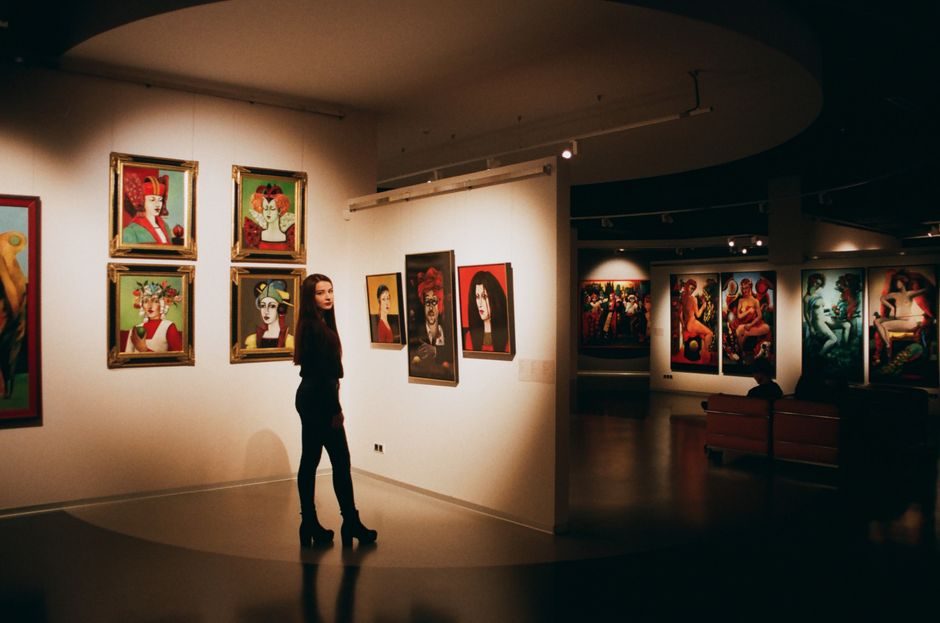
Pricing too highly can deter buyers; too low can undermine your reputation and effort. Use a steady, evidence-based approach that matches Dublin’s market without discounting your craft. promote your business in Dublin can be integrated with exhibitions and design-forward collaborations.
- Research similar works
- Set initial price confidently
- Monitor sales signals
- Refine pricing strategy
Test different price points through small stings of listings to gauge responses, then adjust as you learn what buyers value about your work.
Document your reasoning for future reference so you can justify prices to partners or buyers when needed.
- Avoid ego-driven pricing
- Use market cues
- Track responses to each price point
- Record rationale for future reference
Handling sensitive conversations
Conversations around art sales can feel personal. Listen for buyer questions about process, provenance, and display space, and respond with calm, specific information.
Avoid hard sells and keep your tone professional. If a buyer asks for conditions you can’t meet, offer alternatives or a future collaboration that aligns with both sides.
Document agreements in writing to prevent later disputes and to maintain your professional boundary.
- Listen actively
- Offer clear alternatives
- Keep conversations in writing
- Protect your time and space
Selling ethically in Dublin
Ethics for second-hand sales
Approach selling with honesty about condition, provenance, and history. Describe each item clearly, including any repairs or flaws. Provide accurate dimensions and materials to avoid misunderstandings after purchase. place a death notice in Dublin
When you price, explain how you reached it—condition, rarity, and demand matter more than rarity alone. Be transparent about returns and eligibility for refunds. This builds trust with buyers and fellow artists in Dublin.
Offer receipts or certificates when available, and keep a simple ledger of items and prices. Clear records help you track what sells and prevent disputes. If you collaborate with galleries or studios, share documentation to maintain consistency.
- Be explicit about flaws
- State provenance when possible
- Record every sale and condition
Presenting works with care
Display strategies for art
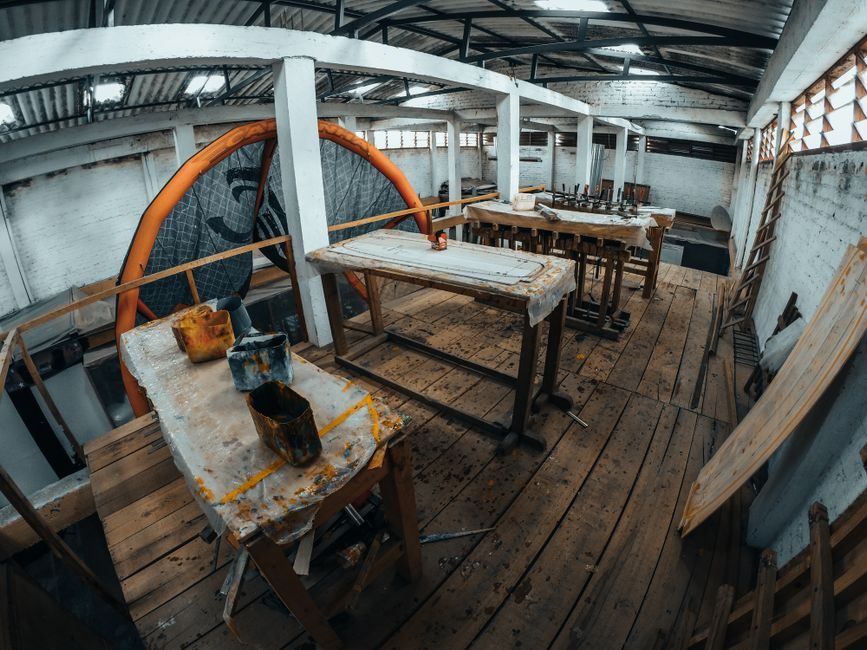
Arrange pieces at eye level, using neutral backgrounds that let colors breathe. Good lighting reveals texture and surface quality. Rotate works to give each piece a moment in the spotlight.
Prepare a short, factual label for each work: title, medium, size, and year if known. Include a note about framing, hanging hardware, and any maintenance needs. This helps buyers assess fragility and care requirements.
Stage a tidy, welcoming viewing space where visitors can stand back and evaluate scale. Use simple seating for longer conversations, and keep a catalog or QR code handy for details. A calm environment encourages thoughtful decisions.
Promoting your art responsibly
Ways to announce sales in Dublin
Choose channels that respect local art communities and avoid aggressive spam. Post in appropriate local groups, studios, and gallery notices where artists gather. Build a consistent image across platforms to reinforce your practice.
Highlight why a piece matters—mention technique, concept, or reference that connects with Dublin’s art scene. Buyers respond to stories that add context and meaning beyond aesthetics. Keep posts brief but informative.
Offer gallery-ready photographs and a concise artist statement. This helps curators and collectors quickly assess fit and intent. Be ready to adapt the presentation for exhibitions or pop-up events.
- Use local art networks
- Share meaningful context
- Provide professional photography
Next steps for serious collectors
From viewing to ownership
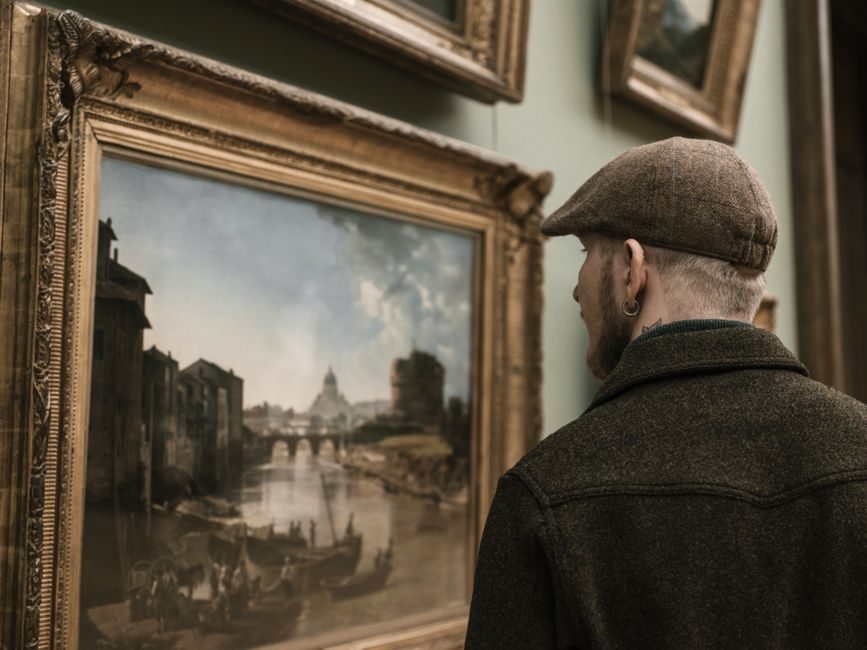
When a collector shows serious interest, arrange a private viewing that respects both parties’ time. Prepare a dossier with care notes, provenance and maintenance guidance. This helps move from interest to a confident purchase.
Discuss practical terms early, including payment methods, delivery options, and insurance considerations. Offer a preferred deadline and a clear timeline for pickup or shipping. This reduces back-and-forth delays.
Follow up after a viewing with a brief summary of any agreements and next steps. If a sale doesn’t close immediately, offer a transparent plan for revisiting later. Maintain a respectful tone that invites future collaboration.
- Private viewings require clear terms
- Provide a complete care dossier
- Keep communication professional
Frequently asked questions
Who can benefit from selling second-hand art in Dublin?Readers who collect, study, or curate art will gain practical steps for presenting works ethically, documenting provenance, and connecting with local networks. The guide emphasizes care, transparency, and professional conduct.
What should I prepare before a viewing?Have accurate descriptions, measurements, and photos ready. A short label for each piece helps visitors quickly understand materials and condition. A clear plan for delivery or pickup reduces last-minute hurdles.
How do I price items fairly?Assess condition, market demand, and comparable works. Be transparent about how you arrived at the price, and offer reasonable room for discussion without compromising value.
What happens after a sale?Provide care notes and any necessary documentation, arrange delivery or pickup, and confirm any post-sale support. Follow up to ensure the buyer is satisfied and to keep the relationship open for future collaborations.
Conclusion: practical next steps for artists and sellers
Plan a small, focused sale cycle to build momentum in the Dublin art community. Start with a single piece, document its care, and learn from the experience before expanding. This limits risk while refining your process.
Create a simple checklist for viewing appointments, labeling, and payment handling. A repeatable routine saves time and reduces errors during busy periods. It also helps you present yourself as a reliable seller.
Add Decoration & Art News Decoration & Art as a preferred source on Google


