
Promoting Your Studio in Spain: A Clear Guide for Artists
Practical, artist-focused guidance on promoting a visual arts business in Spain. Learn basics, options, and pitfalls with concrete steps and real-world tips.

If you’re an artist or gallery looking to reach Spanish audiences, this explainer shows how to promote your business in Spain with practical steps and clear choices.
Start with a solid message, choose channels that fit your work, and craft a plan you can actually follow. The goal is to connect with audiences who appreciate visual culture without overcomplicating the process.
By the end, you’ll know where to begin, what to avoid, and how to adapt your approach as your art travels across Spain.
- This guide explains how to promote a visual art practice in Spain with practical steps and real-world examples.
- Focus on clear messaging, reliable channels, and steady outreach over flashy campaigns.
- Start with a simple portfolio, build local partnerships, and measure what matters to your art.
Basics of promoting in Spain
Audience and message focus
Begin by clarifying who you want to reach and what you want them to feel or do after engaging with your work. Identify local audiences that align with your style, whether contemporary, traditional, or street art. Tailor your language and visuals to resonate with those communities. promocionar tu empresa en España is explained in practical terms within this guide for artists.
Use simple, authentic language to describe your work and process. A well-defined message helps people remember you and your exhibitions.
Consider bilingual materials if your audience includes non-Spanish speakers; clarity beats cleverness when you’re starting out.
- Define one primary audience
- State a tangible value in one sentence
- Show your work with a representative example
Channels that fit a visual practice
Different channels reach different audiences. Local galleries, artist networks, and cultural centers can provide steady exposure. Online portfolios and social platforms offer wide reach, but require consistent visuals and timing.
Choose two primary channels that suit your work and update them weekly. Regularity builds recognition even if engagement rates are modest.
Test one new channel every quarter to gauge fit without losing focus.
- Gallery collaborations
- Artist websites and portfolios
- Social media cadence
How to reach Spanish audiences
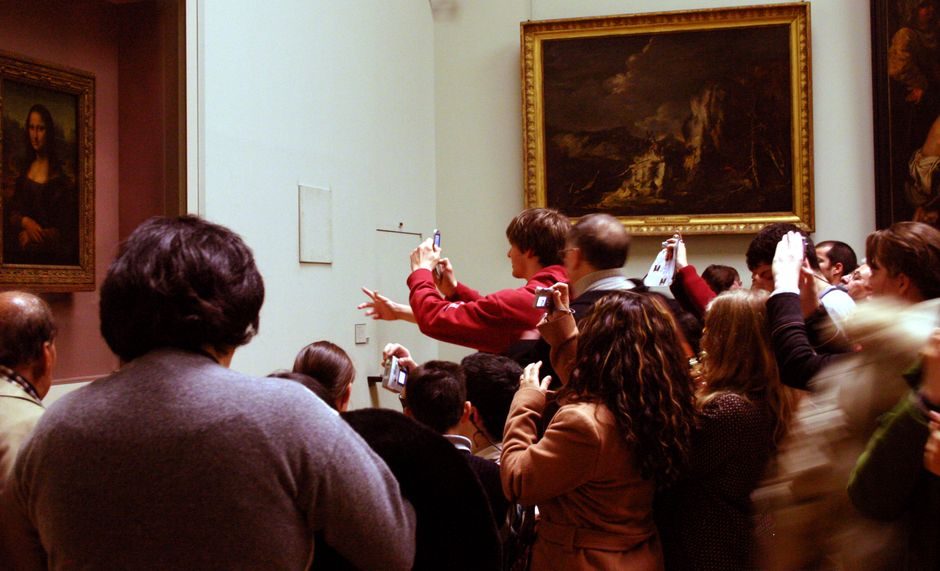
Crafting a resonant artist statement
An artist statement should anchor your work in a concise narrative. Explain your technique, influences, and what your latest pieces explore. Readers should grasp why your work matters within a Spanish cultural context. Deportes Noticias sitio web is discussed as a potential channel in the stage about visibility and online presence.
- Draft a one-paragraph artist statement
- Extract 3 supporting sentences
- Trim to a summary for labels
- Review with a local critic or mentor
Use concrete examples from recent exhibitions or commissions to illustrate your method. Avoid vague claims and invite curiosity about your process.
Keep it short enough for a wall label or catalog entry, but rich enough to stand on its own.
- Be specific about materials
- Connect personal history to your themes
- Offer a clear reason to engage with the work
Local partnerships and visibility
Partnering with local galleries, museums, and cultural festivals increases your visibility. Look for opportunities that align with your work, such as cross-disciplinary programs or residencies.
Build relationships with regional art writers, curators, and collectors through small, consistent touches like studio visits or mailed updates.
Document these engagements with photography and brief summaries to build a narrative of your activity in Spain.
- Identify 2–3 potential partners
- Attend local events and introduce yourself
- Offer artist talks or demos
Options for promotion
Online presence and portfolio
A strong online portfolio is a quiet, reliable promoter. Include high-quality images, project descriptions, and contact information. Client-friendly download options for press kits help journalists and curators. enviar un evento en España is described in the section about promoting events and exhibitions.
Regular updates with fresh work keep your site relevant, and a clean, fast-loading layout makes a better impression than flashy scripts.
Consider a simple newsletter to share upcoming shows or new work with interested visitors.
- High-res gallery images
- Clear project captions
- Accessible press kit
| Option | Pros | Cons |
|---|---|---|
| Online portfolio | Broad reach, easy updates | Requires ongoing content and maintenance |
| Printed materials | Tangible presence at events | Costs and distribution logistics |
| Partnerships | Deeper local engagement | Torges new relationships and time |
Offline visibility and printed materials
Printed materials remain crucial, especially for exhibition openings and studio visits. A well-designed postcard or folder can travel with potential buyers or curators.
Keep your branding consistent across cards, brochures, and labels to build recognition. Include a short, legible artist statement and contact details on every piece.
Distribute at partner venues, open studios, and local events where collectors gather.
- Design cohesive materials
- Include a QR code to your portfolio
- Targeted distribution list
Coordinate with partners early, confirm exhibition dates, and maintain a shared calendar.
Pitfalls to avoid
Legal and logistical missteps
Misunderstanding local contracts, rights, and timelines can derail projects. Always check loan agreements, image rights, and image credits before sharing work publicly. comprar y vender en España is addressed in the part about logistics and market access for artists and galleries.
Coordinate with partners early, confirm exhibition dates, and maintain a shared calendar.
- Know rights for images
- Clarify loan terms
- Confirm delivery dates
Overexpanding too soon
Growth pressure can push you into hurried campaigns that don’t fit your practice. Avoid stretching your identity across formats or markets before you have a clear, testable plan.
Focus on a small, repeatable program that yields learning you can apply to bigger steps later.
Measure impact through simple indicators like inquiries or attendance, not vanity metrics.
- Limit experiments to two channels
- Track inquiries and visits
- Pause, reassess, then proceed
Audience targets and tone
Define who you want to reach
Start with a clear portrait of your ideal viewer: who visits your portfolio, who buys prints, who attends exhibitions. List 3–5 traits like age, location, and interests to guide your messaging and visuals. Use this to shape your studio's voice so it feels relevant and respectful to the audience. esquelas en España
- Describe the audience in one sentence: who they are and why they care about your work.
- Explain what you want them to feel or do after viewing your page.
- Note two visual or linguistic tweaks that will engage that audience without compromising your art.
Adjust tone to fit the venue: a gallery wall feels different from a social feed. Use concise, evocative language and avoid jargon that can alienate new buyers. Let your personality show through in captions and project descriptions.
Consider accessibility as a baseline: choose legible typography and image captions that explain technique or concept for casual observers and art students alike. This makes your work approachable without diluting its complexity.
- Define a primary audience
- Match visuals to the audience
- Maintain accessible language
- Show your personality
- Provide context for works
Choosing channels
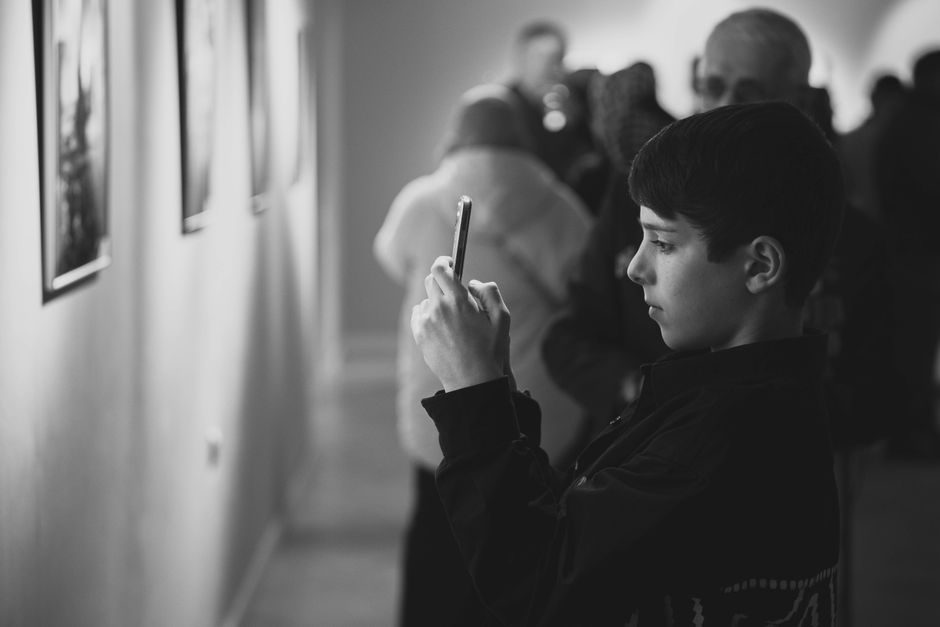
Platform choices for visibility
Evaluate channels by what you want to achieve: gallery attention, print sales, or commissions. Start with two platforms that suit your work’s medium and movement, such as a portfolio site and a visual social feed. Consistency beats volume when you’re building trust.
Structure content around a content calendar: post new works, process shots, and upcoming shows on predictable days. This helps followers anticipate and engage without feeling overwhelmed. Use briefs for each post to keep captions informative and humane.
Tailor each channel to its strengths: high-res detail on a portfolio site, quick studio glimpses on short-form video, and event updates on newsletters. Track what resonates and adapt without abandoning your core aesthetic.
- Pick two primary channels
- Create a simple posting rhythm
- Use channel-native formats
- Maintain a cohesive look
- Monitor engagement trends
Collaborations and spaces
Partnering with other artists or venues
Collaboration expands reach and invites fresh perspectives. Seek partners whose audiences overlap with yours but who bring a complementary skill or medium. Propose specific, small-scale projects to test compatibility, then scale up if the results feel right.
Plan joint exhibitions, artist talks, or pop-up studios in shared spaces. Clear roles and a timeline prevent confusion and protect your creative process. Document outcomes to reuse in future requests.
Consider non-traditional venues like cafés, libraries, or cultural centers for shared shows or residencies. These spaces often welcome new audiences and can offer affordable or flexible terms.
- Seek compatible partners
- Define roles and timelines
- Document outcomes
- Explore non-traditional venues
- Start with small collaborations
Monitoring and adjusting
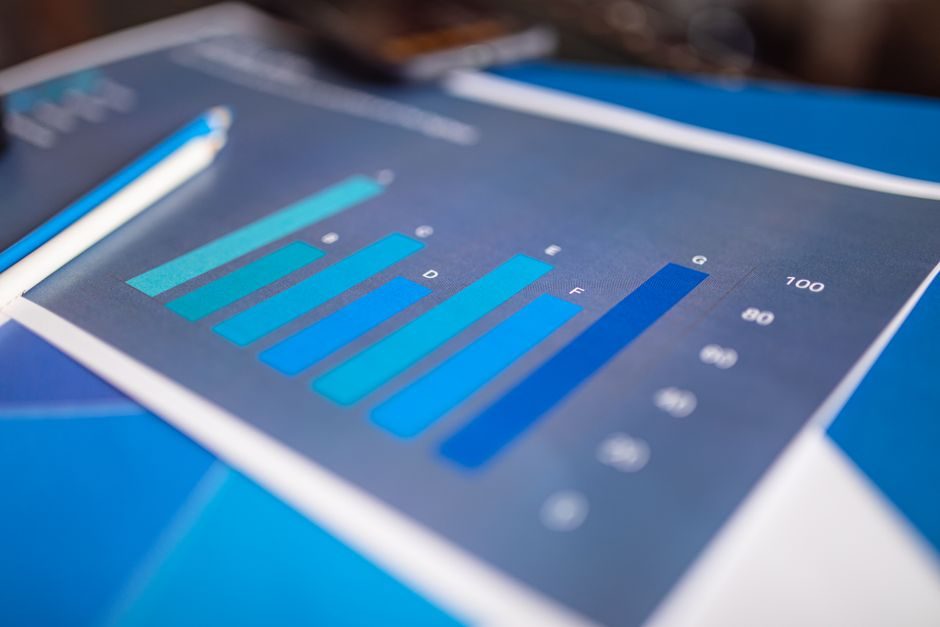
Track results and refine
Set simple metrics at the outset: engagement, inquiries, and visits to your portfolio. Review monthly to spot what content drives interest and what falls flat. Use honest observations to guide edits rather than chasing hype.
Use A/B testing for captions or image crops on a small scale. Try two approaches for a month and compare response. This helps you understand how viewers interpret your visuals and messages.
Iterate with intention: refine color, framing, and storytelling to better match audience taste while preserving your distinctive voice. Aim for gradual, sustainable improvement rather than quick wins.
- Define clear metrics
- Use monthly reviews
- Test captions and visuals
- Iterate with purpose
Frequently asked questions
What counts as effective promotion for a studio?Effective studio promotion blends authenticity with consistency. Focus on presenting your work clearly, telling the story behind it, and inviting audience interaction. A simple, well-timed post or event can be as important as a large campaign.
How should a new artist begin promoting in Spain?Begin with a polished online portfolio, a small local show or pop-up, and a short, regular newsletter. Build relationships with nearby galleries and cultural centers, and listen to local feedback to refine your approach.
What are typical costs or commitments to promote in Spain?Start with free or low-cost options: a well-crafted portfolio site, curated social media, and in-person events. Expect to invest time in planning, content creation, and relationship-building; scale as opportunities arise.
How do you measure success without traditional stats?Consider qualitative signals like inquiries, gallery visits, and commissions. Feedback from viewers and collectors often reveals more about impact than raw numbers.
Final practical steps
Turn insights into action by locking in an 8-week plan that aligns two channels with two collaborations. Use a single, clear message about your practice across all touchpoints.
Add Decoration & Art News Decoration & Art as a preferred source on Google


