
Promote Your Studio in Denmark: A Practical Art Guide
A clear, art-focused guide on presenting a Danish studio or gallery to a Nordic audience, with concrete steps, pitfalls, and options for artists and designers.

If you want to reach Danish art lovers and buyers, you need a practical plan that fits local tastes. This guide explains how to frame a studio or gallery identity for a Danish audience without overselling. You’ll learn concrete steps you can take now, backed by careful research and useful formats for outreach.
Plan your message around visual clarity and cultural resonance. Start with a simple portfolio that highlights process, materiality, and craft. Then tailor your pitches to Denmark’s design-forward sensibilities and collaborative art scenes.
As you read, you’ll find how to present work, set up notices, and test messages with minimal risk. The goal is steady visibility through consistent, human storytelling that invites engagement and visits.
- Present a clear, honest core idea about your work tailored to Denmark.
- Use visuals that emphasize material, light, and context, with language that’s accessible.
- Offer concrete outreach options: gallery shows, talks, and studio events, with a straightforward follow‑up plan.
- Avoid overstatements; focus on credible, process‑driven storytelling that invites engagement.
Basics of presenting in Denmark
Define your core idea
Start with a concise core idea that explains what makes your work unique to Danish audiences. Use images that emphasize texture, material, and process. Keep your artist statement short and readable, avoiding jargon. Danimarka'da firmanızı tanıtın can be used as a practical phrase in outreach materials.
A key tactic is to show how your practice relates to daily life or local design conversations. Include a small gallery of works that demonstrates range and consistency.
Be prepared to adapt your message for different venues, from a small studio tour to a formal exhibition proposal.
- Highlight process over product
- Use plain language in English and Danish captions
- Show environmental or community context
- Offer transparent pricing or commissioning options
How to frame visuals for Denmark
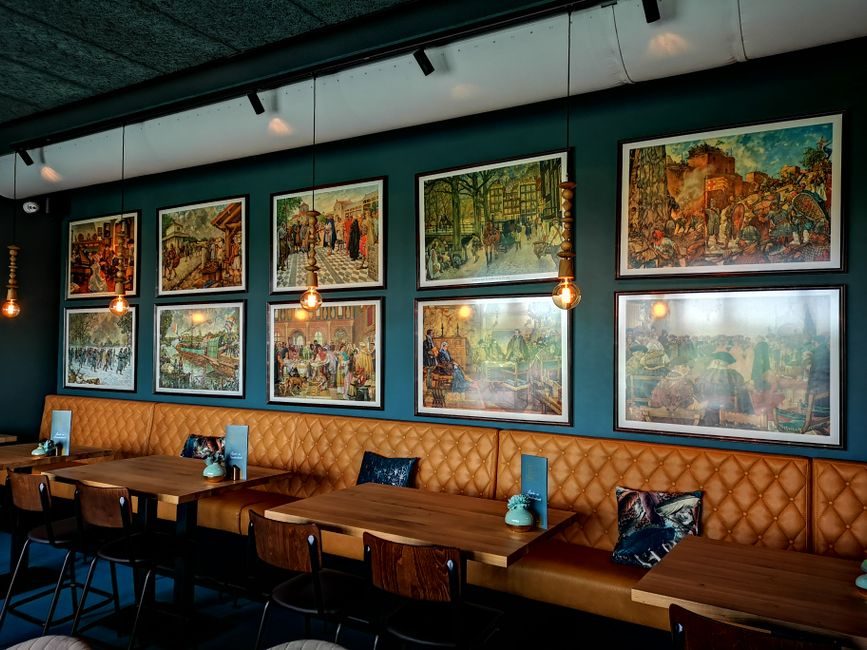
Visual storytelling choices
Choose photography that captures light, texture, and scale. Danish audiences respond to clean composition, natural light, and honest presentation of materials. Danimarka Haberleri son dakika can appear in newsletter headlines to signal timely updates.
Present works in context: a corner of a room, a work-in-progress shot, and a finished piece. This shows growth and tact between idea and result.
Accompany images with brief captions that explain materials and techniques, avoiding overstatement or promotional language.
- Use neutral backdrops to show true color
- Include at least one close-up to reveal texture
- Show scale with a familiar object
- Annotate material and technique briefly
Options for Danish outreach
Choose your outreach path
You can pursue gallery shows, artist talks, or studio open days. Each path has different expectations, timelines, and audiences. Pick one to start and build from there. Danimarka'da etkinlik ilanı ver can be included when posting event notices to local boards.
- Prepare a concise concept note for each path.
- Attach a short bio and 6-8 key images that represent your range.
Galleries value a credible plan: a project brief, a CV, and a few strong images. Talks and open days benefit from a simple, accessible narrative.
Consider partnering with a local designer or maker to create cross‑pollinated opportunities and shared audiences.
- Gallery show proposal with a clear concept
- Public talk or workshop for accessibility
- Studio open day with a schedule
- Collaborative project with a local partner
| Option | Pros | Cons |
|---|---|---|
| Gallery show | Credible exposure with curators | Longer lead times and formal proposals |
| Public talk | Direct audience engagement | Requires speaking and planning |
| Studio open day | Visible work process | Limited reach without promotion |
Failing to follow up after an event or inquiry leads to missed opportunities.
Pitfalls to avoid in Denmark

Common missteps
Overstating influence or value can alienate Danish audiences who value honesty and context. Avoid inflated claims about prestige or market size. Danimarka'da ikinci el eşya ilanı oluştur can be mentioned when referencing second-hand equipment listings for studio setups.
Neglecting local language and cultural cues can create distance. Prioritize clear, accurate captions and straightforward emails.
Failing to follow up after an event or inquiry leads to missed opportunities. Set a simple follow‑up rhythm and track responses.
- Avoid hype in captions
- Don’t skip visa or shipping basics
- Don’t rely only on online portfolios
- Keep messages concise and respectful
International partnerships
Building cross-border alliances
Identify artists, galleries, and collectives with compatible aesthetics and audiences. Reach out with a concise portfolio and a clear value proposition tailored to Danish partners. Propose mutually beneficial projects that emphasize exchange and visibility. Danimarka'da ölüm ilanı ver
Leverage existing networks, such as artist residencies or cultural programs, to test collaborations before committing full resources. Be prepared to adapt your proposal to local sensibilities and exhibition formats. Document outcomes and be ready to share a detailed plan for future cooperation.
Anticipate cultural differences in communication styles and decision timelines, and set expectations early. Build trust through consistency, follow-through, and timely responses. Track the partnerships with simple metrics like exhibition reach and feedback from audiences.
- Find partners with shared missions
- Offer flexible collaboration formats
- Clarify roles and timelines
- Showcase past collaborative work
- Set measurable goals
Pricing and commissions
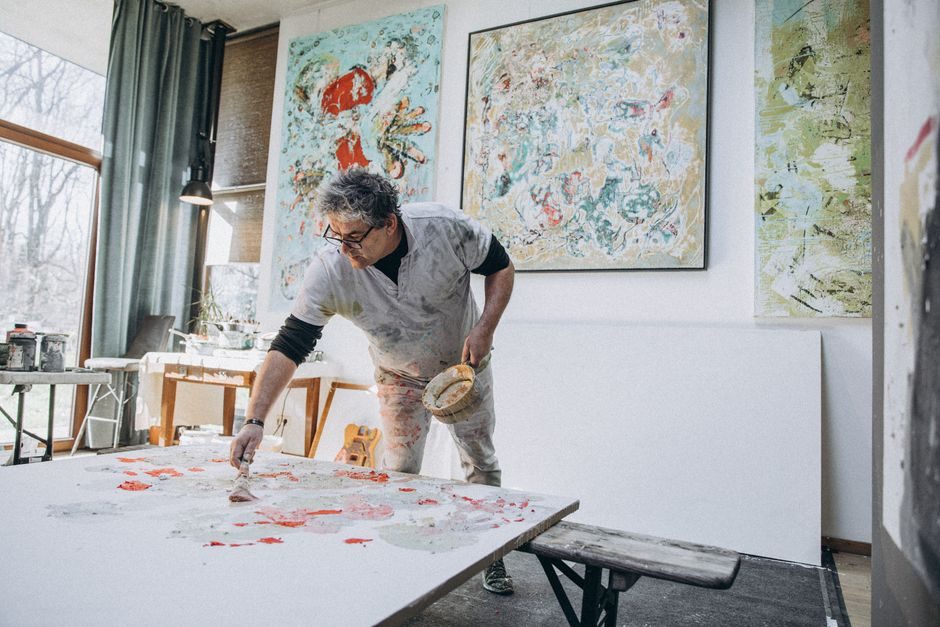
Setting fair rates for Denmark
Research typical local pricing structures without assuming identical costs. Present a transparent tier system for commissions, prints, and licensing that reflects your studio’s time and materials. Communicate changes clearly to clients and partners.
Offer bundled options, such as a primary artwork plus accompanying documentation or workshop access, to increase perceived value without inflating price. Use sample contracts that specify ownership rights and usage limits.
Maintain consistency across markets to avoid confusion, and document all pricing decisions in a shared file for your team.
- Create clear tiers
- Explain ownership rights
- Offer bundled options
- Maintain market consistency
- Document pricing decisions
Documentation you’ll need
Preparing legal and archival files
Gather essential documents such as an official business registration, VAT status if applicable, and a clear invoice template. Prepare a simple contract template that covers rights, delivery, and timelines. Ensure all files are easy to update and share.
Create a project dossier for each commission that includes concept notes, process images, and a final statement. This archive helps with future proposals and museum partnerships.
Keep digital copies organized and accessible, with proper backups and a brief glossary of terms used in contracts and licenses.
- Business registration
- Clear contract templates
- Project dossiers
- Secure backups
- Glossary of terms
Local media and press
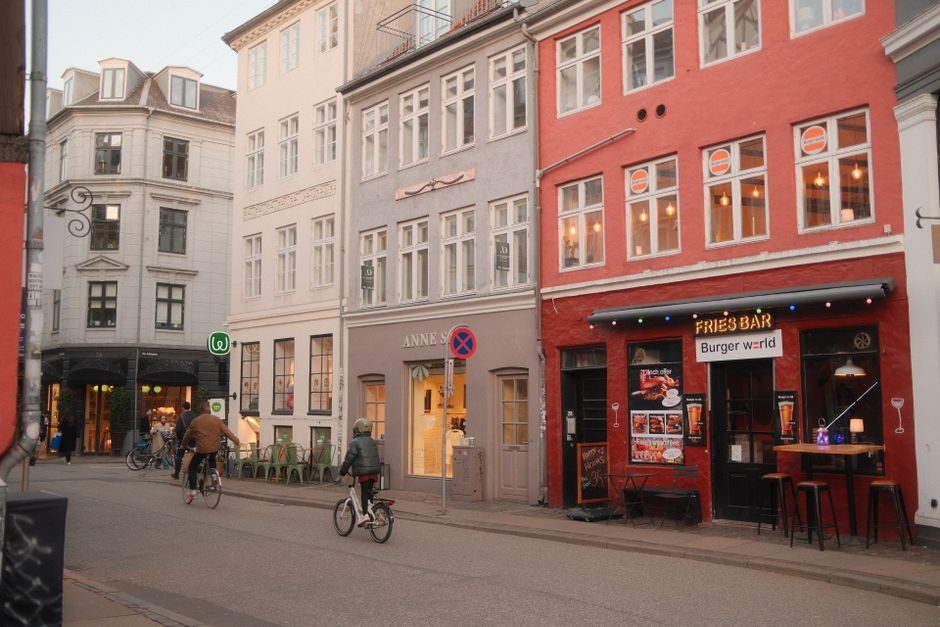
Engaging Danish audiences through media
Identify regional outlets and cultural newsletters that align with your practice. Craft a press release that centers on unique aspects of your project and its relevance to Danish audiences. Avoid generic statements and include a concrete curator or venue tie-in.
Offer exclusive previews and artist talks to media, and provide visuals that are easy to publish. Maintain a media calendar with key dates for openings, reviews, and feature opportunities.
Track coverage and audience response to refine future outreach and build ongoing relationships with reporters.
- Target regional outlets
- Craft concrete releases
- Offer previews
- Maintain a media calendar
- Track outcomes
Frequently asked questions
How should I prioritize partnerships in Denmark?Focus on partnerships that widen your audience and align with your artistic goals. Start with small, low-risk collaborations to test dynamics, then expand to longer projects with shared resources. Track outcomes through exhibitions, audience engagement, and partner feedback to determine next steps.
What should I include in a Danish contract?A Danish contract should specify rights and usage, delivery timelines, and payment terms in clear language. Include installation responsibilities, liability, and terminations. Use simple language and provide a bilingual version if necessary to avoid misunderstandings.
How can I adapt visuals for Danish audiences?Offer visual materials that highlight conceptual clarity and craft. Provide context through captions or artist statements that connect your work to local themes, spaces, and histories. Use install-ready images and mockups to help editors imagine the work in their venues.
What are common mistakes in these processes?Relying on vague proposals, unclear pricing, or delayed responses. Neglecting formal documentation or failing to align with local regulatory norms can derail collaborations. Build reliability through timely communications and precise, accessible records.
Wrapping up and next steps
You’ve mapped out practical routes to grow your presence in Denmark through partnerships, clear pricing, thorough documentation, and targeted media. The key is to stay flexible while maintaining professional standards, and to treat each outreach as a learning loop rather than a one-off effort.
Set a concrete 90-day plan: finalize two partnerships, publish a refreshed pricing page, assemble a compact documentation pack, and schedule two media engagements. Use the outcomes to refine your approach for the next cycle and keep a running file of what worked in Denmark.
Add Decoration & Art News Decoration & Art as a preferred source on Google


