
Practical guide to Bcoin Talk for art readers and creators
A clear, useful guide on using Bcoin Talk for artists and designers, with practical steps, pitfalls to avoid, and creative ways to engage.

If you’re building or evaluating a creative online presence, this guide shows how Bcoin Talk website can become a useful resource. It explains what it offers, how to approach it responsibly, and what to expect from discussions in a design or visual arts context. You’ll find concrete steps to integrate the forum into your artistic workflow without losing your unique voice.
The guide moves from basics to careful choices, then to practical options and common missteps. It is written for readers who want clear reasons to consider a specific online community, not abstract praise. Expect precise, actionable advice you can apply to your own art practice and portfolio.
Along the way, we draw a straight line between community activity and creative outcomes, showing how participation can influence critique, exposure, and collaboration in a visual arts setting.
- This guide explains how Bcoin Talk website can support artists and designers through practical participation, careful tool selection, and ethical collaboration.
- It outlines basics, useful practices, and concrete steps to evaluate the platform for your art practice, with a focus on meaningful engagement.
- Readers will learn how to build exposure, judge tools, and avoid common missteps while staying true to their creative voice.
Basics of the platform
What Bcoin Talk offers
Start with the core idea of what the site provides: a space for discussion about art, design, and related topics. It is useful to scan for threads that match your interests, then participate with concise, thoughtful posts. This section helps you gauge whether the platform aligns with your goals as an artist. Bcoin Talk website is a place to explore artistic discussions and critiques.
To get value, look for active threads, clear moderation, and a steady cadence of new topics. Observe how conversations unfold, what norms govern tone, and how curators highlight quality contributions. A quick check can save time before you commit resources.
If you plan to share your work, note the format and rules for images, captions, and citations. Respect the community’s guidelines and avoid overt self-promotion in early posts. The right first steps set the stage for helpful feedback.
- Identify active threads relevant to your medium
- Note moderation quality and response rate
- Prepare a concise image-ready post
- Respect posting guidelines
- Observe norms before posting
How to participate well
Craft a brief introduction that frames your interests and current projects. This helps others respond with relevant feedback instead of general praise. Focus questions and invite critique that is specific to your work.
Provide constructive feedback when you respond to others. Acknowledge useful observations and offer practical alternatives or examples. Build a thread that feels collaborative rather than competitive.
Keep a professional tone and cite sources when needed. Consistency and courtesy build trust, making it easier for curators and peers to treat your contributions as serious.
- Post with a clear question or goal
- Give and receive specific feedback
- Cite relevant references when needed
- Maintain a courteous, professional tone
Tools for artists and designers
Resources that fit art practice
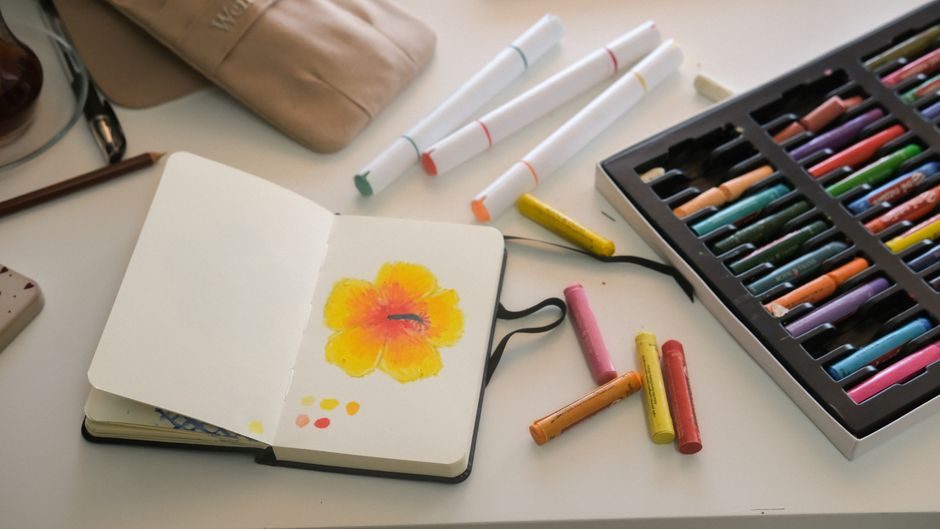
Explore threads that discuss tools and methods used in painting, digital design, or sculpture. Look for practical posts about workflows, software, and hardware that integrate smoothly with your studio routine. A useful resource on this topic: what's on in the USA.
Identify tools that reduce repetitive tasks, such as image organization, presets, or project templates. These can save time and keep your process consistent across projects.
Evaluate recommendations by testing a few options in your real work. Track how each tool affects output quality and your personal pace over several sessions.
- Scan for workflow tips
- Test suggested tools in real projects
- Assess impact on speed and quality
- Document results and adjust choices
Finding mentors and peers
Look for threads where experienced artists share case studies and critiques. These conversations offer real examples of how others approach composition, color, and concept. Pay attention to how peers frame problems and propose solutions.
Reach out with respectful, specific questions that invite practical guidance. A mentor-mentee dynamic works best when both sides share clear boundaries and expectations.
Use the community as a sounding board for early ideas, not as a final judge. Early feedback should help you refine a concept before you invest in a full production cycle.
- Identify experienced contributors
- Ask targeted questions
- Set mutual expectations
- Use feedback to refine concepts
Creative exposure and collaborations
Showcasing your work thoughtfully
When sharing, pair images with concise captions that explain concept and materials. This helps viewers understand your intent and context. Avoid overcrowding posts with too many details; aim for clarity. add your business listing in the USA can help local studios reach audiences.
- Prepare a gallery-ready post
- Find a collaborator with aligned goals
- Define roles and timelines
- Draft a simple contract or agreement
Look for collaboration threads where multiple artists contribute to a larger project. Clear agreements on roles, timelines, and rights prevent conflicts and preserve trust.
Monitor reactions and adjust presentation based on constructive feedback. A strong presentation increases the chances of meaningful engagement from galleries or collectors.
- Use concise captions
- Seek clear collaboration terms
- Adapt based on feedback
- Aim for cohesive presentation
| Option | Pros | Cons |
|---|---|---|
| Public posting | Broad visibility, feedback | Can attract noise and clutter |
| Private critique groups | Focused feedback | May have smaller reach |
| Portfolio-friendly showcases | Professional presentation | Requires more curation |
Assessing visibility and reach
Track how your posts perform in terms of saves, replies, and shares. Early engagement can indicate which audiences resonate with your work and language.
Consider how to repurpose successful posts into different formats, such as short process videos or printable studies. Repurposing extends the life of a single idea.
Set a schedule for regular updates so followers know when to expect new content. Consistency helps build a slow and steady audience that values your practice over time.
- Monitor engagement metrics
- Repurpose successful ideas
- Maintain a consistent posting rhythm
Protect your own work by watermarking or using low-resolution previews until you are ready to share high-quality files.
Managing risks and ethics

Avoiding pitfalls
Be wary of spoilers in shared projects, and respect others’ originality when discussing influences. Acknowledge sources to avoid misattribution and maintain trust within the community. advertise a job vacancy in the USA can connect studios with new talent.
Guard against overgeneralization when critiquing peers. Specific, constructive comments carry more weight and reduce misinterpretation.
Protect your own work by watermarking or using low-resolution previews until you are ready to share high-quality files.
- Credit sources accurately
- Offer specific critiques
- Protect your own work before sharing
Ethical collaborations
Set clear terms before starting any joint project. Agree on ownership, usage rights, and credit attribution to avoid later disputes.
Document decisions in writing, even for informal collaborations. A simple agreement reduces confusion as the project evolves.
Respect cultural and personal boundaries when incorporating others’ ideas or styles into your work. Seek consent when blending distinct voices.
- Draft written terms
- Record decisions early
- Respect boundaries and consent
A critical eye for online resources
Evaluating credibility quickly
When you start online, assess credibility in seconds by checking author bios and the site’s About page. Look for clear editorial standards and transparent sourcing. If something feels vague or sensational, pause and verify with a second source. online obituaries in the USA
Cross-check claims against established art databases or museum catalogs to confirm accuracy. Prioritize resources that provide citations or demonstrations of method. Trust grows when a site wears its learning process openly.
Avoid platforms that rely on anonymous authors or paywalled opinion pieces without context. A steady stream of cross-referenced information indicates reliability and a thoughtful editorial approach.
- Check author credentials
- Look for citations
- Note editorial disclaimers
- Verify with a secondary source
Showcasing technique and concept
Documenting process with clarity
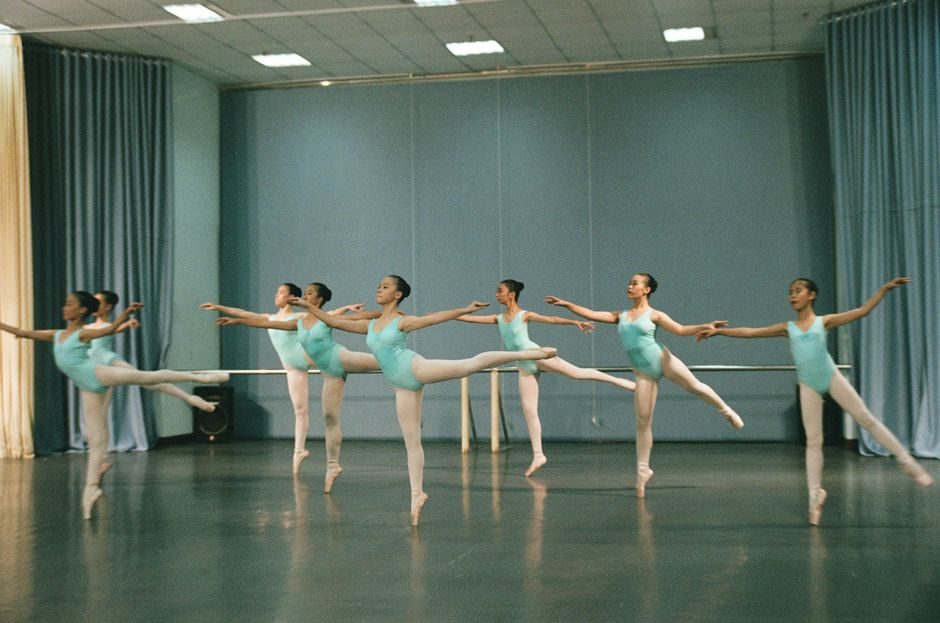
Detail matters: describe tools and steps with enough specificity for another artist to replicate. Document the sequence visually, pairing each image with a concise caption. Clarity makes skill transferable rather than decorative.
Include notes on material choices and reasoning behind decisions to help readers understand aesthetic outcomes. This transparency supports critique and growth.
Avoid jargon overload; balance technique with concept so the work remains approachable. Clear explanations invite readers to try something new without feeling overwhelmed.
- Describe tools and settings
- Explain sequence and reasoning
- Pair images with captions
- Balance technique with concept
Balancing online presence with studio work
Managing attention and time
Online activity should support studio practice, not replace it. Allocate specific blocks for posting, commenting, and learning. A disciplined schedule keeps energy focused on making work.
Use reflective prompts after posting to assess what resonates and what does not. This helps you refine future pieces without chasing every trend.
Set boundaries to prevent burnout: turn off notifications during deep-work hours and protect your creative time.
- Schedule content blocks
- Reflect on engagement trends
- Protect deep-work hours
- Avoid overposting
Navigating communities and marketplaces

Choosing spaces that fit your aims
Different communities cultivate different vibes: some emphasize critique, others showcase. Identify where your work would be welcomed and where your growth is supported. Start by following active members and observing tone.
Engage with constructive critique rather than passive like-and-share behavior. Ask precise questions and offer thoughtful feedback in return. This builds reciprocity and trust.
Understand marketplace norms before listing works: pricing, licensing, and rights should be clear and fair.
- Find like-minded groups
- Practice constructive critique
- Ask precise questions
- Know marketplace terms
Frequently asked questions
How do I start on Bcoin Talk as an art creator?Begin by outlining your goals for posting: what you want to learn, who you want to engage, and how you will present your process. Create a simple portfolio page and participate in discussions with specific questions. As you post, notice which responses shape your practice and which leave you indifferent, then adjust your approach.
What practical steps protect my work online?Always keep high-value images organized with clear provenance. Add watermarks or low-resolution previews for public sharing, and reserve high-resolution versions for trusted, licensed use. Read licensing terms carefully and credit collaborators whenever applicable.
How should I approach collaborations without overcommitting?Define scope, timelines, and compensation early in conversations. Use a written brief that clarifies roles and expectations. Check in periodically with concise progress updates and preserve the autonomy of your studio rhythm.
Where can I find reliable critiques that help me grow?Look for critique spaces that emphasize constructive feedback and specify goals for each session. Seek reviewers who describe what works and why, and invite questions about decision-making. Compare notes across a few communities to identify recurring themes.
Further practices for thoughtful online engagement
Adopt a steady workflow that supports both creating and sharing work. Treat online presence as an extension of your studio, not a replacement for it, and use feedback to refine technique and concept.
As you grow, rotate through spaces that challenge your assumptions while preserving your core aims. A small, intentional audience can yield meaningful collaborations and consistent opportunities for exhibition or publication.
Add Decoration & Art News Decoration & Art as a preferred source on Google


