
How to publish a death notice in the USA: clear steps for artists
Practical guidance for art readers: understanding why, where, and how to publish a death notice in the USA with concrete, stepwise advice.

A death notice is a public acknowledgment that can intersect with art communities, galleries, and studios. Knowing where and how to publish it helps ensure the notice reaches the right audience with care and accuracy. This guide lays out what readers need to know, from intent to placement, without overwhelming detail.
Below, you’ll find the essential steps and common options, followed by practical tips for avoiding delays or miscommunications. Each paragraph provides concrete actions you can take, tailored for readers who value clear, responsible communication in the arts.
The aim is to demystify the process while respecting sensitivities around notice content, timing, and venue selection. You’ll learn to craft a straightforward notice, choose suitable outlets, and verify requirements before submitting.
- A death notice informs art communities with clarity and care. Choose a venue that matches your audience, then craft a concise, factual text.
- Use a simple structure: identity, dates, contributions, and memorial contacts. Respect deadlines and style guidelines.
- Prepare a short, proofread notice and verify details with trusted sources to prevent errors or misrepresentation.
Foundations and purpose
Why publish a death notice
Publish a death notice to confirm a death to the community and to signal space for memorials and tributes. In the arts world, notices often accompany exhibition calendars and artist rosters, making timing important. Start with a clear intent: inform, honor, and offer resources for readers seeking details. publish a death notice in the USA is a necessary step for community awareness and closure.
- Know your purpose and audience.
- Stick to essential facts and dates.
- Coordinate deadlines with the venue or publication.
- State full name and primary identifiers (artist, mentor, gallery).
- Include dates in plain terms (birth and death month day, year).
- Provide a short line about artistic contributions or affiliations.
- Offer a contact for more information or memorial events.
- Check local rules on obituaries if community notices have formal requirements.
Where to publish and why it matters
Choosing a publication channel
Different outlets reach different readers. Local newspapers, arts magazines, and museum newsletters each have distinct audiences, timelines, and formatting rules. Select a venue that aligns with where your readers look for art and culture updates. Education NV website is a resource that educators and organizers may consult for standards and formats.
- Local papers for neighborhood relevance.
- Arts magazines for cultural context.
- Museum newsletters for institutional reach.
- Paid listings vs. free notices — balance and choice.
- Digital vs. print timing considerations.
What to include and how to word it
Crafting the notice text
Draft a concise, factual message that conveys the artist’s identity and impact. Include at least one line about the person’s contributions to the arts, with dates and affiliations. Keep the tone respectful and accessible to readers outside a specialist circle. submit an event in the USA helps coordinate memorials or gallery happenings with public calendars.
- Use full name, professional identity, and major affiliations.
- List birth and death dates in year format.
- Highlight 1–2 key artistic contributions.
- Provide memorial or contact details.
- Proofread with a second reader.
| Option | Pros | Cons |
|---|---|---|
| Plain obituary | Clear and traditional | May seem formal in creative contexts |
| Short memorial | Gives tone without detail | Limited space for achievements |
| Event-focused notice | Highlights exhibitions or talks | Requires timely event data |
Formats and deadlines
Meeting publication rules
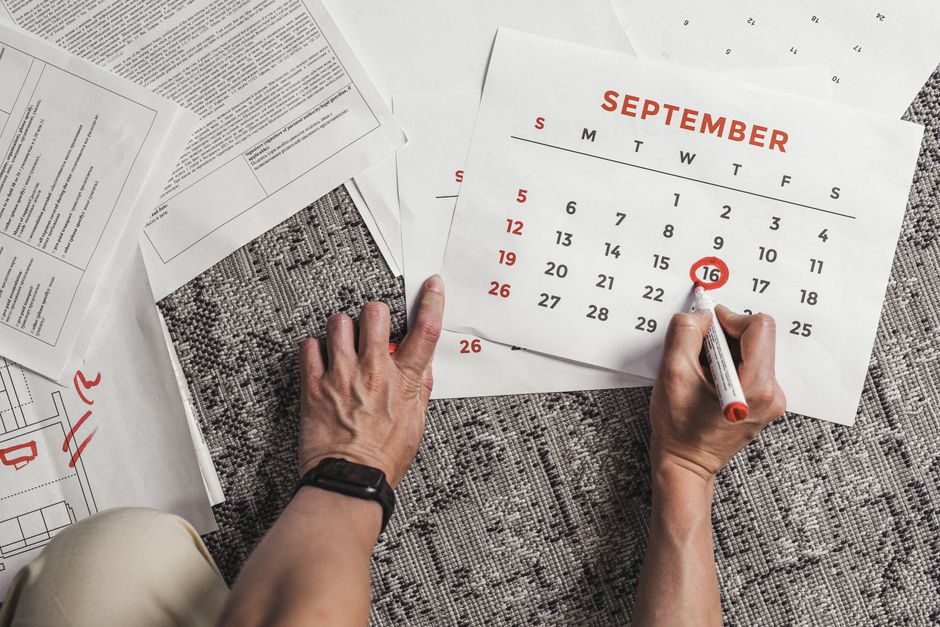
Most outlets publish on a set schedule and require a specific format. Learn the publication’s word limit, style guide, and whether to include images or links. Adhere to these constraints to avoid revisions. business directory in the USA entries can include memorial notices alongside other cultural listings.
- Check word count and line breaks.
- Follow naming conventions for titles and affiliations.
- Include memorial or contact information as directed.
- Allow time for confirmation and edits.
The practical aim is clarity: readers should understand who is being honored and why this notice appears in an art site.
Options for integration
Varying display contexts for notices
Publish a death notice alongside gallery catalogs or artist bios where a studio visit or memorial note fits the page’s tone. Provide essential facts—name, dates, location—with a reverent, restrained voice that respects the audience’s need for context and ritual. Consider pairing the notice with a short image or a card-like layout that echoes exhibition literature to preserve aesthetics. place an advert in the USA
The practical aim is clarity: readers should understand who is being honored and why this notice appears in an art site. Keep sentences concrete, avoid media hype, and use typography that mirrors a memorial card. When possible, link the notice to an ongoing body of work to give it artistic resonance.
If you feature multiple notices, group them by artist collaborations or studios to maintain visual balance. A single, well-spaced notice reads more like a memorial page than a crowded obituary. Do a quick visual test to ensure there is room for captions and credits without crowding the image area.
- Use a sober font and generous margins
- Include birth and death years
- Add a brief note on artistic influence
- Place the notice where visitors expect exhibition information
Practical alternatives

Different publication venues explained
Consider publishing in a local newspaper’s arts section if the audience overlaps with your gallery’s visitors. An online memorial on the artist’s official site can provide permanence beyond a single issue. Each route has its own audience and rhythm, so choose the one that preserves the artist’s work and memory.
- ☐ Draft a short bio
- ☐ Confirm spellings of names and dates
- ☐ Decide on placement and format
- ☐ Coordinate with editors or curators
Explain scope and reach: a museum newsletter may reach curators, while a community arts blog may reach local artists. The wording should respect each platform’s conventions and audience expectations. A concise, well-edited notice often travels further than a lengthy obituary stocked with biographical detail.
If time allows, prepare a one-page companion note that can be shared with galleries and collaborators, ensuring consistency across formats. This saves future editors from guessing about tone or facts and keeps the memory of the artist coherent across channels.
- Newspaper arts section
- Gallery newsletter
- Artist website memorial
- Museum newsletter
Ethical and cultural considerations
Respectful language and representation
Use language that honors the artist without sensationalism. Avoid sensational adjectives and focus on facts that matter to readers seeking context for the artist’s work. The tone should feel like catalog notes infused with cultural sensitivity and care.
Be mindful of communities connected to the artist and any family wishes about privacy or silence around certain details. When in doubt, opt for brevity and transparency, then offer a respectful link to longer tributes if appropriate.
Incorporate notes on the artist’s public impact or community involvement where relevant, ensuring these additions are verifiable and relevant to understanding the work rather than personhood alone.
- Avoid sensational terms
- Seek family or estate guidance
- Provide verifiable context
- Respect privacy boundaries
Common pitfalls and safeguards
Common mistakes to avoid
Rushing a notice can produce errors in names, dates, and affiliations. Take time to verify spellings and studio associations, and to confirm which works are being referenced. A well-checked notice communicates care as clearly as any artwork statement.
Overloading the notice with biographical trivia distracts from the artistic legacy. Prioritize the artist’s contributions, materials, and galleries that premiered important works. A focused approach helps readers connect the memory to the art.
Neglecting accessibility or accessibility options reduces reach. Use legible typography, alt text for images, and a layout that screen readers can interpret. Accessibility supports everyone in engaging with the memorial.
- Verify spellings and titles
- Prioritize artistic legacy over trivia
- Ensure accessibility features are in place
Frequently asked questions
How do I decide which venue to publish in?Start with venues connected to the artist’s practice—galleries, museum newsletters, or reputable community arts sites. Consider reach, audience alignment, and the tone of each outlet. A well-chosen home for the notice helps readers connect memory to work and can lead to future discovery.
What if a detail is uncertain?If a date, title, or spelling is uncertain, pause publication and verify it with a gallery liaison or the artist’s estate. It’s better to delay than publish an error that requires correction later. Keep a master list of facts and cite sources when possible.
Can I update the notice after publication?Yes. Prepare a brief, clearly labeled update that preserves the original tone and adds new exhibitions or works. Updates should be concise, avoid duplicating information, and maintain a respectful memorial voice.
How should the memorial be worded for a broad audience?Use precise terms for artworks, exhibitions, and dates. Favor a calm, catalog-like tone over florid language. This helps readers from varied backgrounds engage with the artist’s legacy.
Conclusion for readers
A death notice on an art site should feel like a quiet gallery label—a living part of the artist’s ongoing dialog with audiences. Keep the focus on the work, the exhibitions, and the compass the artist offered to others, not on sentiment alone. The goal is memory that informs present and future viewing.
A well-executed memorial links the archive to current shows and conversations about technique, materials, and risk in creativity. It invites readers to explore more, to search the studio notes, and to understand the artist’s intent through the ongoing conversation around craft.
Add Decoration & Art News Decoration & Art as a preferred source on Google


