
How to list your event on BookMyShow for US audiences
Clear steps to list your event on BookMyShow for US organizers. Practical tips, pitfalls, and best practices tailored for art events and cultural listings.

If you want to reach US audiences with an art-focused event, listing it on BookMyShow can help you reach a broad, culturally engaged crowd. This guide shows you how to prepare, where to click, and what to avoid, so your listing stands out without requiring a marketing degree. Expect practical steps you can apply directly to an gallery opening, conceptual show, or community workshop.
You’ll learn what information to gather, how to present it clearly, and how to optimize your listing for discoverability. The goal is a complete, accurate entry that invites interested attendees to learn more and buy tickets. The advice is grounded in everyday publishing sense and a respect for art audiences who value clarity and context.
A final note: this overview focuses on actionable steps and mindful presentation, so your event can be seen by audiences who care about design, culture, and creative practice.
- List your event on BookMyShow to reach US audiences interested in art and culture. Prepare a precise title, date, venue, and image. Craft a clear description with an artistic angle and practical details.
- Use multiple channels to maximize visibility, but keep the core details consistent. Tailor descriptions to each platform and monitor engagement to adjust.
- Avoid common pitfalls such as errors, jargon, or outdated information. Build trust with readers by being concrete, direct, and timely.
- Engage readers with a strong image, clear value, and a straightforward ticket path. Test, solicit feedback, and refine the listing for better results.
Basics of listing on BookMyShow
What you need before you start
Before you begin, confirm you have a recognized event title, a clear date, venue name and city, and a reliable contact email. Prepare a short description that conveys what makes the event unique and aligns with art-going audiences. Gather high-quality images or a poster file to represent the event visually. list your event in the USA is a direct way to reach BookMyShow's audience.
Building your event story
Crafting the description
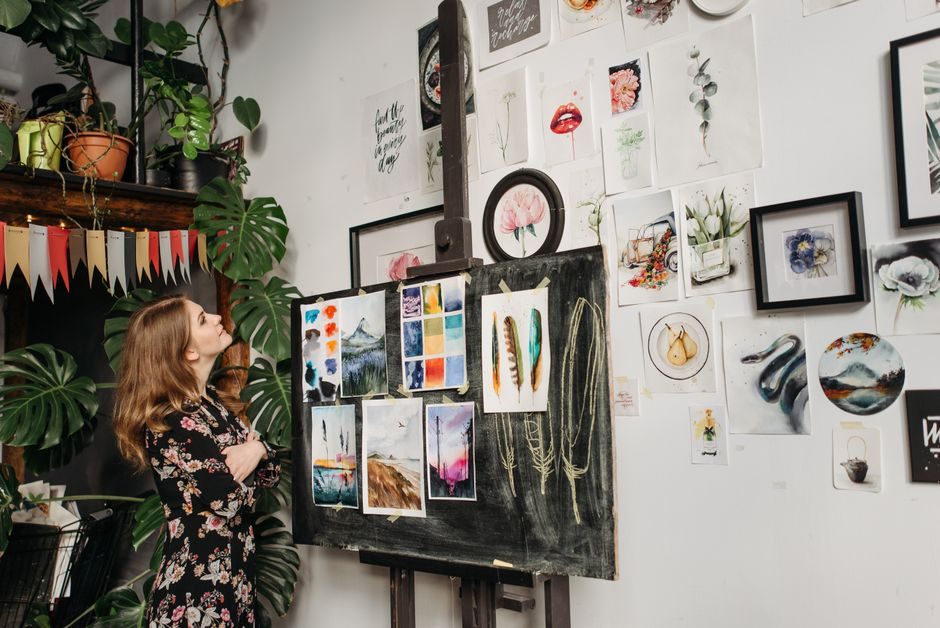
Lead with the artistic hook and the what, where, and when. Use concrete terms that help readers imagine the experience, such as the medium, the scale, and the vibe of the venue. Avoid vague promises and instead share specifics that invite attendance. Anime Manga Daily can be a partner channel for art and culture features.
- Describe the artistic appeal clearly
- Include exact venue and time
- Offer a direct ticket path
Next, add context: why this event matters in the local art scene, how it connects to ongoing exhibitions, or a guest artist’s perspective. Keep sentences concise and active to maintain reader momentum. Finish with practical details like ticketing and accessibility.
Finally, provide a clear call to action: where readers can learn more and how to secure a seat. Include a direct link or instruction for purchasing tickets, and remind readers of any entry requirements.
- Highlight the art form and key features
- Identify the venue and accessibility details
- Specify ticketing steps and price range
- End with a direct call to action
Options for visibility
Where to place your listing
BookMyShow is one venue among many. Consider parallel listings on local cultural calendars, gallery newsletters, and social feeds to broaden reach. Compare the effort and payoff of each channel rather than relying on a single source. promote your business in the USA helps you grow visibility for art-related services and collaborations.
- Prepare core event details
- Create platform-specific descriptions
- Publish across channels
- Track engagement and adjust
Use consistency across platforms: same title, date, and image help readers recognize the event quickly. Cross-promotion builds credibility and may improve search visibility for a niche art audience.
Finally, tailor each listing to its channel. A concise teaser might work on a social feed, while a longer description suits a calendar page or venue site.
- Use multiple channels for wider reach
- Keep core details identical
- Tailor descriptions to each channel
- Monitor what attracts readers (adjust)
| Channel | Detail | Benefit |
|---|---|---|
| BookMyShow | Direct event listing on platform | Central hub for ticket buyers in certain markets |
| Local cultural calendars | Gallery pages, city guides | Broader local reach and context for art lovers |
| Social channels | Instagram, Facebook, etc. | Fast visibility and audience engagement |
Focus on concrete, sensory details that help someone picture the experience and feel compelled to attend.
Potential pitfalls

Common listing mistakes
Typographical errors or mismatched event details breed mistrust and trigger refunds. Always verify the venue, date, time, and accessibility notes before submission. A small mistake can deter potential attendees from purchasing tickets. advertise a job vacancy in the USA can attract talent for cultural institutions and galleries.
Overloading readers with jargon or vague promises dilutes impact. Focus on concrete, sensory details that help someone picture the experience and feel compelled to attend. Keep the price, if shown, clear and consistent.
Neglecting updates or changes after listing goes live can frustrate readers. If the event details shift, update the listing promptly and inform your audience through the same channels you used to announce it.
- Mismatched or wrong details
- Too much jargon, few specifics
- Outdated or un-updated information
Listing etiquette for art events
Crafting event descriptions
An art event listing should tell a clear story: what, where, when, and why it matters to the audience. Focus on the experience, not just logistics, and use precise language that invites curiosity. Include a brief mention of medium or style to help readers gauge fit with their tastes. online obituaries in the USA
- Lead with the unique artistic element of the event to draw attention
- Mention any participation requirements or materials needed
- Close with a concrete call to action, such as where to click to learn more
Describe the event’s tone and atmosphere with concrete details. If it features live music or performance, note the tempo and expected duration to set expectations. Avoid vague terms and provide one vivid detail that anchors the reader’s imagination.
Provide logistical guardrails to prevent confusion. Include accessibility notes, ticketing method, and entry requirements in plain terms. Offer a fallback contact for questions to reduce friction in the booking process. Keep the tone professional yet human, ruling out hype.
- State the exact date, time, and venue
- Explain ticket tiers or pricing structure
- Include accessibility and inclusivity notes
- Provide a single point of contact for questions
International vs local considerations
Audience expectations abroad
When listing for a US audience, emphasize practical details that translate across borders, like accessibility and safety measures. Readers expect clarity about timing and venue specifics. A well-labeled map link or rough transit estimate can reduce confusion and increase attendance.
Cultural cues matter; describe any venue etiquette or gallery norms that might differ from other markets. If there’s a dress code or performance permit requirement, state it plainly. Clarity reduces returns and improves word-of-mouth recommendations.
Explain language and media choices for the listing. If the event welcomes international guests, note translation availability or bilingual staff. A straightforward, inclusive description helps a wider audience feel invited.
Timing and seasonal factors
Planning the listing window
Publish early enough for readers to plan, but avoid listing too far in advance where details may change. A mid-range window helps readers schedule around other arts events. Include a soft reminder near the event date to keep it relevant.
Seasonal interest can shape turnout. Tie your listing to nearby happenings or cultural moments to boost relevance. For example, align with gallery openings or city-wide art weeks to ride shared attention.
Provide a practical timeline for updates. If a key detail shifts—time, venue, or capacity—update the listing promptly and communicate the change to potential attendees.
- Start listing 4–6 weeks ahead
- Add a reminder 1–2 weeks before
- Update promptly if any detail changes
- Coordinate with related events for cross-promotion
Measuring success and next steps

Assessing impact after listing
Track basic indicators such as page views and ticket clicks to gauge the listing’s reach. Use a simple dashboard or spreadsheet to capture these numbers without overcomplicating the process. Interpret trends by comparing against similar events in the same venue or season.
Ask attendees how they found the event to inform future listings. Short post-event questions can reveal whether the listing or other channels drove interest. Use the feedback to refine wording, imagery, and timing.
Plan follow-up actions based on results. If attendance is strong but sales lag, experiment with ticket tiers or add-ons. If interest was weak, refresh the description and test new visuals.
- Track views and clicks
- Collect attendee feedback
- Adjust pricing or add-ons
- Refine visuals and copy
Frequently asked questions
Is there a preferred image size for BookMyShow listings?Images should be clear and relevant to the event, with a resolution that remains crisp on both mobile and desktop. Use one primary image that conveys the event’s mood, plus a secondary shot if it adds useful context. Avoid clutter or watermarks that distract from the listing.
How detailed should the venue information be?Include exact venue name and a short directional note if the location is hard to find. Provide a brief transit tip and mention accessibility options. Readers appreciate a straightforward contact for venue-specific questions.
Can I list multi-day events or recurring series?Yes. Present the duration clearly, with each date or a general range if the schedule repeats. Indicate whether tickets cover all days or require separate purchases. Clarity reduces confusion and encourages advance planning.
What common mistakes should I avoid in listings?Overloading the listing with jargon or hype, skipping critical details, and using vague dates or times. Keep the language precise, the layout scannable, and the essential facts front and center.
Conclusion of the guide
A well-crafted listing treats art as an invitation, not just an entry. It balances practical information with a sense of the experience, guiding readers to imagine the moment they step into the space.
Next steps involve applying a consistent framework for every listing: start with a strong, clear summary, back it with practical details, and refresh content as plans evolve. Track what resonates and carry forward the lessons to future events. This method helps build a steady audience who trust the listings as a reliable resource.
Add Decoration & Art News Decoration & Art as a preferred source on Google


