
How to find local businesses for sale in Edinburgh: a practical guide
A practical, art-focused checklist for locating local businesses for sale in Edinburgh, with clear steps, safer options, and mindful considerations for artists.

For artists and designers, finding a local business for sale means more than closing a deal; it’s about a space that supports creativity and community. This guide offers a plain, practical path to locate opportunities in Edinburgh, with steps you can take today. You’ll learn where to look, what to ask, and how to assess fit without losing sight of your artistic goals.
Start by clarifying what kind of business aligns with your practice, whether a gallery, workshop, café, or studio. Then map reliable sources and people who frequently encounter sales. Finally, plan a careful loan or partnership approach that keeps your creative work intact while enabling growth.
The advice here emphasizes concrete actions over hype: use trusted directories, verify ownership, and tour spaces with a critical eye for light, traffic, and neighbors. Each step builds toward a balanced decision that respects both art and business realities.
- Identify the art-friendly type of local business to purchase in Edinburgh.
- Use trusted directories, networks, and direct outreach to find opportunities.
- Evaluate the space with an eye for light, safety, and community fit before buying.
- Negotiate terms that protect your artistic program and ensure sustainable cash flow.
Basics and mindset
Clarify your fit
Begin with your practice’s needs: space, equipment, and income stability. Consider how a potential purchase would support a now- or later-focused vision, not just a dream space. Match the location to your audience and workflow, from daytime classes to evening exhibitions. find local businesses in Edinburgh is a useful start for artists seeking a suitable space.
Money and risk
Financial clarity matters from the start. Look beyond asking price to include renovations, rates, taxes, and ongoing maintenance. Build a simple projection that shows how revenue from your art activity could cover a mortgage or rent, utilities, and insurance.
Finding opportunities

Trusted sources
Begin with established channels that sellers and brokers use, and combine them with networks in the arts scene. Talk to fellow artists, gastronomy venues, and design studios who have seen openings or exits. Look for listings that describe the space’s suitability for creative work rather than purely commercial use. Edinburgh Daily news can be a source for local business activity and community updates.
- Ask for recent viewings
- Verify ownership and liabilities
- Note unique artistic features of the space
Direct outreach
If you don’t see a space you want, reach out directly to owners of potential venues nearby. A polite inquiry can surface off-market options and demonstrate your thoughtful plan to grow their community.
- Draft a concise intro email
- Request a site visit
- Prepare a simple business case
Assessment and due diligence
Site visit
Use daylight hours to assess workability: lighting, layout, electrical capacity, and access for deliveries. Note noise, parking, and neighborhood compatibility with your audience. Bring a checklist to compare spaces against your needs and budget. get your event listed in Edinburgh helps you attract audiences to future openings and exhibitions.
- ☐ Visit during typical hours
- ☐ Test load-bearing capacity
- ☐ Assess safety and compliance
- ☐ Confirm utility costs
- Light quality impacts art creation
- Delivery access matters for supplies
- Neighborhood fit matters for events
| Method | Pros | Cons |
|---|---|---|
| Gallery storefront | High visibility for work | Higher upkeep, more traffic in competition |
| Studio and shop hybrid | Stable studio use + sales | Complex permits, mixed revenue streams |
| Cooperative ownership | Shared risk, community | Requires consensus and governance |
| Lease with option to buy | Lower upfront | Potential higher long-term costs |
Valuation and terms
Ask for recent financials, even rough figures, and compare them to income potential. Consider lease-to-own options or seller financing if you want flexible terms. Ensure any contract guards your creative use and future expansion needs.
- Review revenue streams
- Check liabilities and permits
- Negotiate terms that protect art activities
Create a seamless transition for customers and staff, if any, with clear communication and a gradual handover.
Negotiation and closing
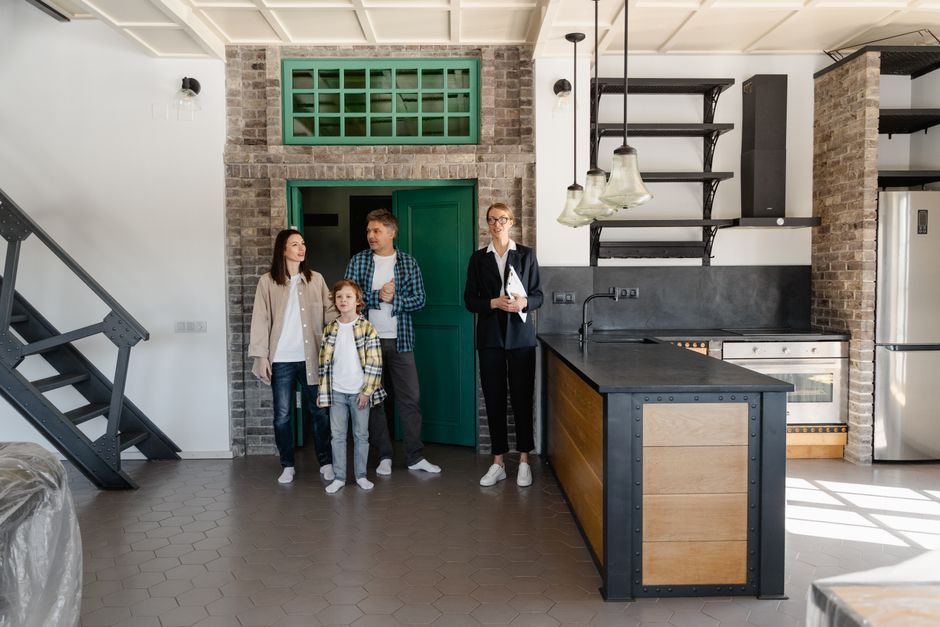
Deal structure
Structure should favor long-term artistic strategy: ownership can be a tool for stability rather than a burden. Plan payment timing around cash flow and event calendars. Include exit terms that preserve your ability to adapt or sell later. post a job ad in Edinburgh can help you recruit staff or collaborators for a new art-focused venture.
- Underestimating fit with art practice
- Ignoring renovation costs
- Overcommitting financially
- Set milestones
- Define renewal options
- Clarify improvements ownership
Transition plan
Create a seamless transition for customers and staff, if any, with clear communication and a gradual handover. Keep a portfolio of ongoing projects and upcoming exhibitions to reassure your community. Leave space for your artistic program to flourish during the change.
- Share a calendar of events
- Introduce you and your vision
- Preserve core community ties
Expanding after purchase
Post-purchase growth strategies
Once you acquire a local business, shift focus from setup to growth. Map out a 12-month plan that balances core operations with creative projects that attract audiences. Consider partnering with nearby studios or cafés to create cross-promotional events that expand your reach. if you’re compiling a list of spaces, remember to submit an obituary in Edinburgh for archival listings and community context.
Develop a clear calendar for exhibitions, pop-ups, and education programs that leverage the space’s layout. Track daily traffic and note what events draw larger crowds. Use this data to tune future shows and keep your creative offering fresh.
Maintain a lean operating routine to protect margins while expanding services. Small, well-timed investments in lighting, display walls, or seating can elevate the space without overextending finances. Regularly review profitability by project to avoid stretched resources.
- Create a 12-month growth calendar
- Forge local partnerships for events
- Track event performance and adjust
Creative business models

Diversified revenue ideas for artists
Think beyond sales of work; offer workshops, residencies, and limited-edition releases to diversify income streams. A space can host weekend classes that align with current exhibitions, turning idle hours into productive sessions. Create a simple pricing structure to avoid confusion for first-time buyers.
Develop a membership or artist-in-residence program to build ongoing engagement. Members might receive early access to new shows, discounted workshop rates, or exclusive studio footage. Communicate benefits clearly to convert casual visitors into repeat supporters.
Pair product sales with experiences, such as a bundled workshop-and-work purchase. This approach increases perceived value and can justify higher prices for limited editions. Keep inventory tight and focus on quality over quantity.
- Workshops tied to exhibitions
- Membership or residency programs
- Experience-based bundles
Risk management for creatives
Safeguarding space and works
Protect your assets by clearly documenting ownership, insurance, and loan agreements for artworks and equipment. Create a simple check-in system for borrowed pieces during events to reduce loss. Regularly review security protocols and adjust as the space evolves.
Establish a rotation schedule for exhibits so no single piece dominates traffic for too long. This protects value and keeps audiences curious. Have a visible policy on handling fragile works and guest materials.
Plan contingency budgets for weather, staffing gaps, or last-minute cancellations. A small reserve can prevent a rushed sale or risky decisions when plans shift.
- Document ownership and loans
- Rotate exhibits to protect value
- Maintain a contingency reserve
Showcasing the space to attract buyers
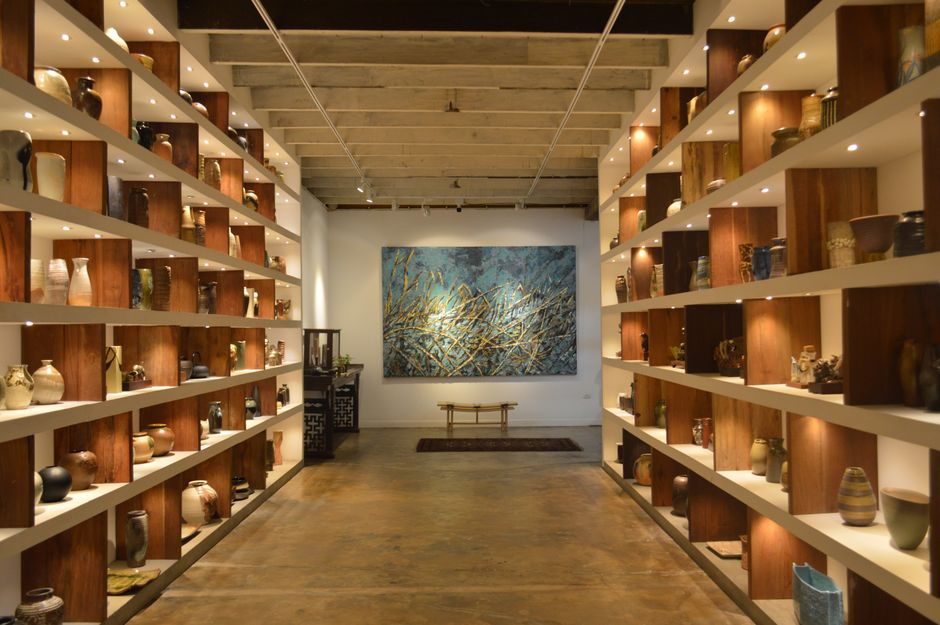
Presenting the space with care
A well-told space invites buyers to imagine their next project there. Photograph each area with consistent lighting and unobstructed views to convey flow and potential. Describe how different zones support creative activities, education, and retail.
- Use consistent lighting for all photos
- Highlight flexible layouts and future customization
- Provide a floor plan and zoning notes
Frequently asked questions
What qualifies as a local business for sale in Edinburgh for an artist?A local unit that can host exhibitions, workshops, or a storefront, with a lease and active utility accounts. Focus on spaces that align with your practice and audience potential, rather than just price.
How should an artist begin negotiations on a sale?Gather financials, confirm lease terms, and clarify transition support. Negotiate around rent, inventory, and a reasonable transition period to hand over operations smoothly.
What if the space needs renovations?Assess renovation costs in your offer and request a scope from the seller. Build a contingency into your budget and consider staged improvements tied to revenue milestones.
How to market the space once purchased?Highlight flexible layouts, upcoming events, and community engagement. Create a short, consistent story about how the space supports making, showing, and teaching.
Closing thoughts and next steps
A well-chosen space can amplify your creative practice and broaden your audience, provided you approach it with a clear, practical plan. Start by mapping how the space will serve exhibitions, education, and retail in equal measure. Use a steady, stepwise approach to reduce risk and grow confidence in your decisions.
Take time to build a simple, repeatable process for evaluating opportunities, touring spaces, and negotiating terms. Treat each opportunity as a chance to refine your artistic brand and your operational skills. The next practical step is to draft a short list of spaces that fit your criteria and test them with a staged visit.
Add Decoration & Art News Decoration & Art as a preferred source on Google


