
How to advertise your event: clear steps for success
A practical, art-focused guide to promoting events with concise steps, smart channels, and real-world tips suitable for Crawley audiences and creativity communi

If you want your event to reach artists and curious neighbors, start with a clear message and a practical plan. This guide shows how to advertise your event in Crawley by outlining simple steps, choosing the right channels, and avoiding common missteps. You’ll learn to balance visuals, copy, and audience so your event resonates from the first glance to the final moment of contact.
Begin with the core idea of your event: what makes it unique, who it serves, and how attendees will experience it. Then map a short, direct message that drops into every channel you use. Finally, pick two or three reliable places to start, so you don’t scatter your effort across a dozen tactics.
As you work, keep your art-leaning readers in mind: try to reflect craft, curiosity, and culture in your promotion. This isn’t about hype; it’s about inviting real people to connect with your work. The goal is steady reach, thoughtful visibility, and a memorable encounter with your art.
- Plan with a clear idea and a simple message that travels well across channels.
- Choose two or three trusted outlets and stick to a steady rhythm.
- Craft visuals and copy that invite curiosity without shouting over the art.
- Use offline spots and online listings to reach both neighborhood readers and art lovers.
Basics of planning
Clarify your core idea
Define what the event offers beyond the obvious. Identify the main draw for artists, collectors, and local residents. Frame the experience in two or three vivid lines that can run across posters and social posts. advertise your event in Crawley will be improved by selecting two or three trusted channels.
A crisp concept guides every decision, from visuals to venue staff. It also helps you answer why someone should attend within seconds. When you know the core, you can tailor messages to different audiences without losing your voice.
Be specific about outcomes: is this a showcase, a workshop, or a conversation about technique? Clear goals help you measure success after the event, not just during promotion.
- Define the main attraction
- State the target audience
- Craft a one-sentence value proposition
- Set a simple success metric
Choose your channels
List two or three channels you trust for your audience, such as local galleries, a community bulletin, or social feeds with steady engagement. Prioritize channels that suit art lovers and neighborhood readers.
Consider the rhythm of the city: a midweek peek, a weekend reminder, and a post-event gallery. Consistency beats novelty when you’re building recognition.
Track what works: note which posts bring inquiries or signups, then double down on what resonates without overexposure.
- Local gallery boards
- Neighborhood social groups
- Email to a mailing list
- Local arts newsletter
Crafting the message
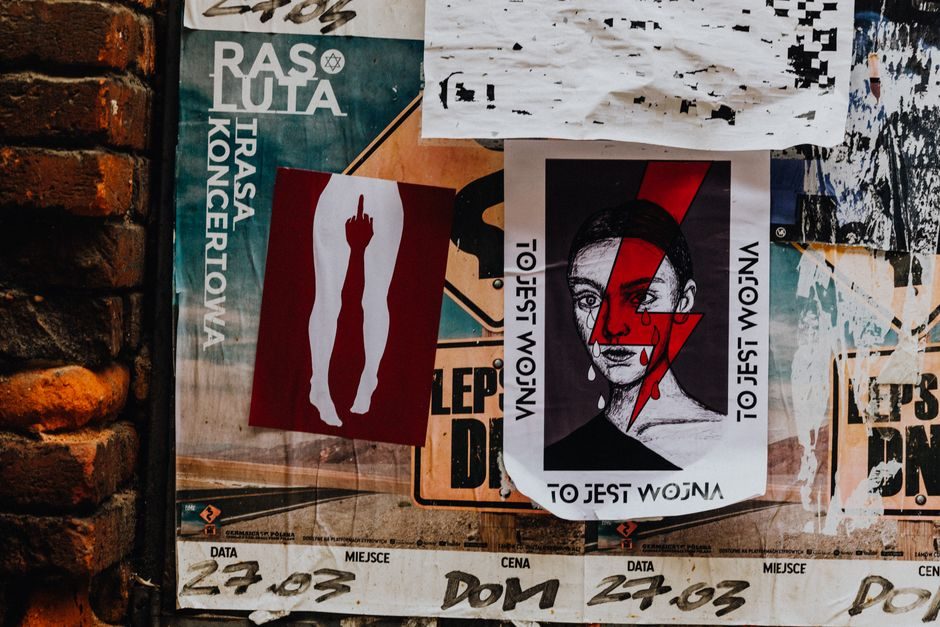
Write a simple invite
Your invitation should answer who, what, when, where, and why in one short line and one longer descriptor. Use plain language that a broad audience can grasp quickly. Keep up with the latest news Crawley to anchor your posts in current local rhythms and opportunities.
- Lead with the unique draw of the event.
- Describe the sensory or experiential benefit.
- Provide a single, clear call to action.
Test a few versions of the headline with peers or artists you trust. Small shifts in verbs and nouns can improve clarity without losing personality.
End with a clear action: RSVP, buy a ticket, or save the date. Make the next step obvious and friction-free.
- Who is this for?
- What makes it worth attending?
- When and where is it?
- What should I do next?
- How much does it cost, if relevant?
Use visuals effectively
Images should reflect the event’s mood and look, not just decoration. Use a single strong image with clean type and a restrained color palette.
In posters and posts, let typography carry the message so the image remains legible at a glance.
Test readability on small screens and distant views to ensure your art remains legible in transit.
- Choose one strong image
- Limit colors to 2–3
- Keep type large and legible
- Preview in different sizes
Distribution options
Offline venues
Local galleries, libraries, cafes, and community centers can host flyers and digital posters. A presence in spaces your audience trusts builds credibility. Submit your business in Crawley should be part of a broader directory strategy for artists and venues.
Ask for a small display area or a shareable digital screen when possible. Provide lightweight, durable handouts for visitors who want more than a QR code.
Coordinate with staff to time your posts or demonstrations with peak visitor hours so your message aligns with foot traffic.
- Gallery notice boards
- Library displays
- Cafés and studios
- Community centers
| Option | Strength | When to use |
|---|---|---|
| Offline venues | Credibility through place | Small community events and intimate shows |
| Online reach | Broader visibility | Art-focused listings and social updates |
| Print and handouts | Tangible takeaways | Pop-up events and galleries |
Online reach
Leverage artist-focused platforms, event listings, and local media to reach a broader audience without losing your craft voice. Write short descriptions that honor the visual nature of art events.
In social posts, mix process shots with final works to illustrate what attendees will experience. Hashtags should be specific to Crawley and the local arts scene.
Encourage user-generated content by inviting attendees to share their impressions with a simple prompt.
- Artist platforms
- Local listings
- Social storytelling
- UGC prompts
Allocate a modest budget for a single print run or boosted online post if it clearly expands reach without overspending.
Budget and timing
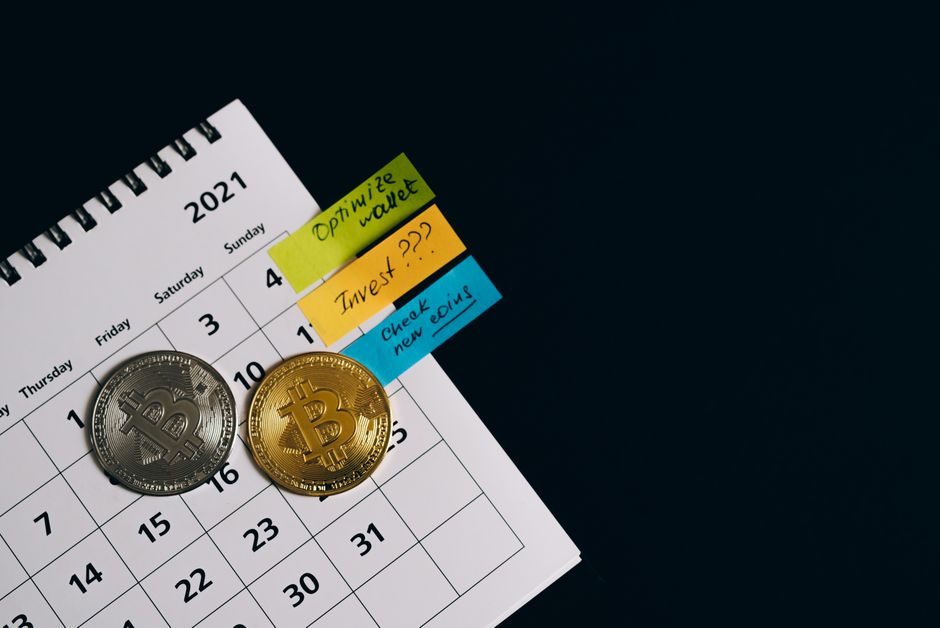
Plan a lean budget
Art events can succeed on thoughtful, low-cost promotion. Prioritize essential channels and low-cost design assets that maintain quality. Local classifieds in Crawley can supplement paid channels with targeted, community-centered notices.
- Identify essential channels only.
- Use free or low-cost design tools.
- Monitor effort vs. payoff.
Allocate a modest budget for a single print run or boosted online post if it clearly expands reach without overspending.
Track time as a resource: fatigue and misalignment waste effort more than money.
- Low-cost design
- Selective boosts
- Time budgeting
Timing your push
Start promotion well before the event and schedule reminders as dates approach. Early visibility helps potential attendees plan around their other commitments.
If the venue hosts related events, coordinate announcements to build momentum without duplicating content.
A final reminder should be concise and inviting, not loud or pushy.
- Early teaser
- Mid-campaign reminder
- Final confirmation
Advanced tactics and alternatives
Leveraging partnerships creatively
Think beyond posters by pairing with local galleries, studios, and cafes that share an audience. Co-hosted events or joint promotions extend reach without doubling costs. Build a short plan for cross-promotion that includes timelines and shared content. funeral notices in Crawley
Collaborative campaigns can feel intimate and community-driven, which suits art audiences. Offer mutual benefits like featured artist interviews or shared press releases. Keep the messaging consistent so partners feel aligned and engaged.
Invite local artists to contribute small works or live demos during the event window to enrich experiences. This creates a narrative that viewers remember, turning exposure into a lasting impression. Track outcomes with simple metrics such as attendance and social mentions.
- Partner for both foot traffic and credibility
- Offer mutual content swaps
- Coordinate schedules to avoid conflicts
Avoiding common pitfalls
Timing and audience mismatch
Aiming too wide can dilute your message and waste resources. Focus on a core audience that cares about the work you show. Schedule promotions when your audience is most likely to be online and attentive.
Test a single, clear message rather than multiple ideas that compete for attention. Simplicity helps people connect the work to the experience. Use a dedicated landing or event page to keep expectations aligned.
Rehearse your event narrative so that every touchpoint reinforces the same story. Smooth transitions between the invitation, on-site details, and post-event follow-up reduce confusion and frustration.
- Single clear message
- Audience-focused timing
- Consistent event narrative
Tips for engagement and follow-up
Creating memorable moments
Design small, repeatable moments that people can share, like a quick live sketch or a gallery-wide scavenger clue. These micro-experiences create social proof and word-of-mouth momentum.
Offer hands-on activities that invite participation without requiring heavy commitment. Short demonstrations or mini-workshops can attract curious visitors and keep them longer. End with a clear takeaway or takeaway item.
Capture reactions with consent and use them to shape future events. Short clip reels and photo albums serve as tangible reminders that your work has social value.
- Live moments
- Short workshops
- Consent-based capture
Planning for future art events
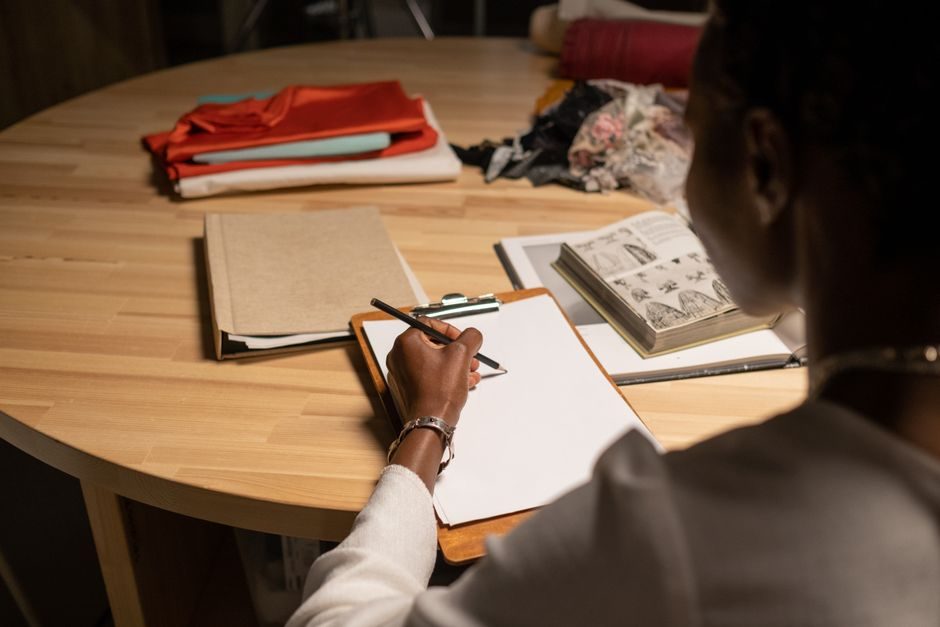
Building a durable calendar
Treat your event as part of a recurring season rather than a one-off. A predictable rhythm helps followers anticipate new work and plan their visits. Map a year of themes, exhibitions, and dates early.
Use the current event as a testing ground for ideas that can scale later. Note what drew more attention, what felt stagnant, and which partnerships clicked. Document insights for the next edition.
Lay out a practical checklist that covers venue coordination, accessibility, materials, and budget guardrails. A clear process reduces last-minute stress and ensures consistency across editions.
- Seasonal scheduling
- Post-event analysis
- Practical checklists
Frequently asked questions
How soon should I start promoting an art event?Begin with a basic announcement four to six weeks before the event, then add details as they are confirmed. This gives potential attendees a clear path to learn, plan, and share, while keeping the message manageable.
What channels should I prioritize for art audiences?Local cultural calendars, social platforms aligned with your audience, and partner venues typically perform well. Focus on channels that reflect the work’s tone and highlight accessibility for a broad audience.
How can I measure success without exact numbers?Look for qualitative signals: new followers, questions about the event, and feedback from visitors. These indicators show growing interest even when precise attendance isn’t available.
What common mistakes should I avoid?Avoid cluttered messages that mix too many ideas. Keep one clear action for readers, and ensure every touchpoint reinforces the same story about the work.
Conclusion
A well-crafted promotion respects the artwork and invites curiosity without shouting. Build a simple, repeatable process that supports artists and audiences alike, then apply it consistently across events.
The path forward is to treat each show as a chapter in a longer conversation with your community, using steady invites, previews, and follow-ups to deepen engagement.
Add Decoration & Art News Decoration & Art as a preferred source on Google


