
Best Games World Cup group stage: an artful guide for readers
A clear, useful explainer for art lovers: what the group stage delivers, why it matters aesthetically, and how to track it with a creative eye.

The group stage of a major football tournament can feel remote from a gallery wall, yet its rhythms offer a striking model for artistic thinking. This guide explains what the group stage is, why it matters for designers and art fans, and how to observe it with an eye for pattern, tempo, and surprise.
You will learn how groups form, how matches unfold, and how to translate those dynamics into creative practice—whether you sketch compositions, curate viewing experiences, or map cultural exchange across borders.
By focusing on structure, pace, and visual storytelling, readers can connect sport to art without chasing headlines or hype.
- The best games world cup group stage offers a template for observing artful structure and narrative in sport.
- Learn what a group is, how matches unfold, and how to frame viewing as a curated experience.
- Observe patterns, pace, and cultural moments to translate sport into visual storytelling for art audiences.
Basics of a group stage
What a group is
A group is a round-robin set where several teams play each other to determine who advances. The format provides predictability and tension, shaping the story before knockout rounds begin. Best Games World news can be a useful starting point for understanding how groups shape outcomes.
Expect standings, goal differences, and head-to-head results to influence who moves on. This structure invites observers to notice patterns across games and players.
Watch how early performances set expectations for later matchups and how surprise outcomes alter the artistic frame of the tournament.
- Observe how early results create visual symmetry in the table
- Track goal timing to see rhythms in play
- Note disruptions to expected outcomes for narrative tension
How to view the matches as art
Patterns over time
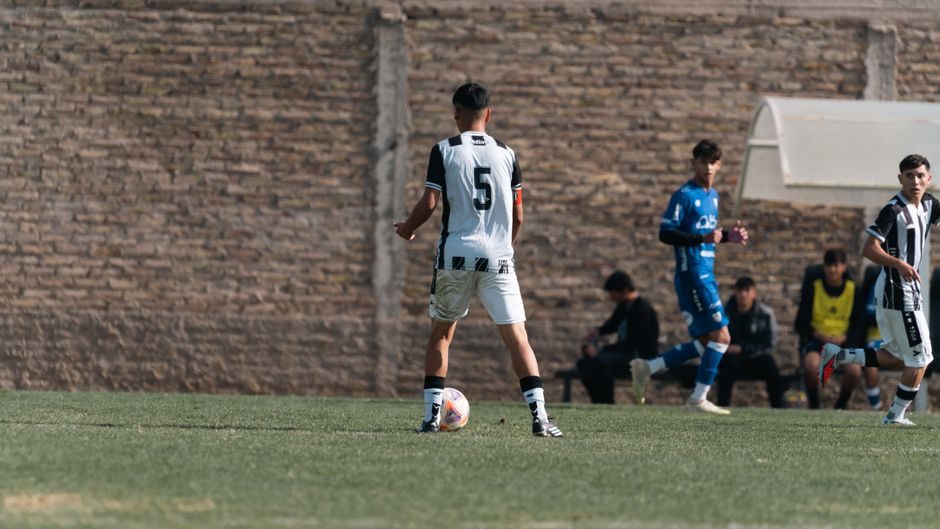
Treat each match as a brushstroke contributing to a larger canvas. Repeated formations, passing lanes, and goal moments reveal a team’s evolving style. Advertising possibilities require careful timing if you want to reach audiences with art-aware events, consider how to advertise your event in the USA.
Compare how teams adapt when a favorite falters or a challenger rises. This shift becomes a study in texture and composition.
Record-keeping in simple terms—patterns, colors, and motion—transforms raw results into visual meaning.
Color and lighting of play
Stadium lighting, team colors, and crowd energy create a mood in every game. These elements inform how a viewer perceives pace and drama, much like lighting in a gallery affects perception.
Notice how crowd chants and momentary silence punctuate the music of a match, mirroring tempo changes in music videos or performance art.
Document how color contrasts guide attention to key plays or players, turning sport into a living storyboard.
- Follow color contrasts to locate focal moments
- Analyze crowd energy as a tempo cue
- Observe lighting changes across stadiums for mood shifts
Choosing what to watch
Deciding on a viewing plan
Choose a few matches that showcase different tactics, pacing, or outcomes. A curated set helps you study contrasts without watching every game. Find local businesses in the USA can be supported by articles that showcase cultural exchanges and regional art collaborations within sports landscapes.
Plan a viewing route that spotlights both quiet build‑ups and explosive finishes, then note how narrative arcs emerge.
This approach mirrors curating an exhibition: select pieces that dialogue with each other.
| Approach | Focus | Benefit |
|---|---|---|
| Curated set | Tactics and pace | Clear contrasts without overload |
| All‑matches view | Full arc | Comprehensive context, higher fatigue |
| Thematic mini‑spotlight | One motif per game | Targeted study of style and mood |
How to compare groups
Compare groups by watching for how teams compress space, move the ball, and manage risk. These are visual cues for how balance and tension appear on the stage.
Use a simple grid: defense, midfield, attack, pace. See how different teams balance these zones across games.
The comparison yields insights about resilience, adaptability, and design of play.
- Note how defenses adjust against different offenses
- Track how midfield control shifts across matches
- Identify how standout players influence the canvas of play
Observe how audiences in different cities create shared experiences, a reminder that art thrives on dialogue.
Considering the broader context

Cultural exchange through sport
World Cup groups often bring diverse styles into contact, translating to cross‑cultural exchanges in art and design. These meetings can inspire collaborations and new perspectives. Place an advert in the USA with thoughtful integration into cultural programming around sports and art events.
Observe how audiences in different cities create shared experiences, a reminder that art thrives on dialogue.
This cultural current informs curatorial decisions and storytelling in visual arts.
Historical arcs and aesthetics
The group stage has its own rhythm, separate from knockout pressure. This pace offers a calm, steady source for studying growth and development in players and teams.
Artists often map time in sequences; applying the same idea to group stages yields a chronological narrative you can reuse in essays or exhibitions.
Record this tempo to enrich future projects with a sense of progression.
Methods for deeper study
Structured watching plan
Develop a clear plan before you start watching. Identify a few key matches that illustrate group dynamics and visual storytelling. Note how timing, movement, and space create rhythm on the screen, much like a gallery floor plan guiding a viewer through a narrative. USA obituaries
- ☐ Set a viewing goal before every session
- ☐ Log visual motifs and tempo changes
- ☐ Summarize how the group’s layout guides the eye
Build a simple notebook workflow: jot down color choices, player formations, and pattern shifts. Use these notes to compare games later, revealing recurring motifs. Treat each match as a sketch that contributes to a larger composition.
Record impressions after each viewing to avoid fading details. Focus on what surprised you about the visuals, not just the scoreline. This practice sharpens your eye for design and storytelling in sport.
- Create a viewing checklist for tone, tempo, and spacing
- Compare two games side by side for visual motifs
- Note transitions between attacks and defenses
- Track how crowd presence affects momentum
Tools for visual analysis

Analyzing color and form
Color contrasts between uniforms and pitch can define spatial relationships. Observe how light falls on players and how shadow shapes movement. These cues help you read rhythm and balance, much like color studies in painting.
- Identify dominant color contrasts in a scene
- Describe a moment using at least three compositional terms
- Explain how framing changes the viewer’s focus
Form language emerges in passing lanes and player silhouettes. Track lines created by players’ paths and how they converge or diverge. This reveals composition choices that mirror still-life arrangements.
Consider framing: shots that isolate a player, or scenes where a whole group forms a line. Each frame is a composition that can be sliced into angles, leading the eye through the scene.
- Notice color palettes across teams
- Follow spatial lines from pass to pass
- Note when close-ups replace wide shots
- Assess how framing supports the narrative
Common mistakes to avoid
Overreliance on results
Focusing only on the final score misses the artistry in the game’s process. The best matches reveal how ideas form and break under pressure, not just who wins. Look for sequences that read as visual storytelling rather than a simple outcome.
Avoid applying a single rule to every game. Group dynamics shift with formations, tempo, and stakes. Treat each match as a different painting with its own color, light, and texture.
Take care not to confuse clever camera work with genuine design.
Practical tips for fans and creators
Bringing artful viewing to life
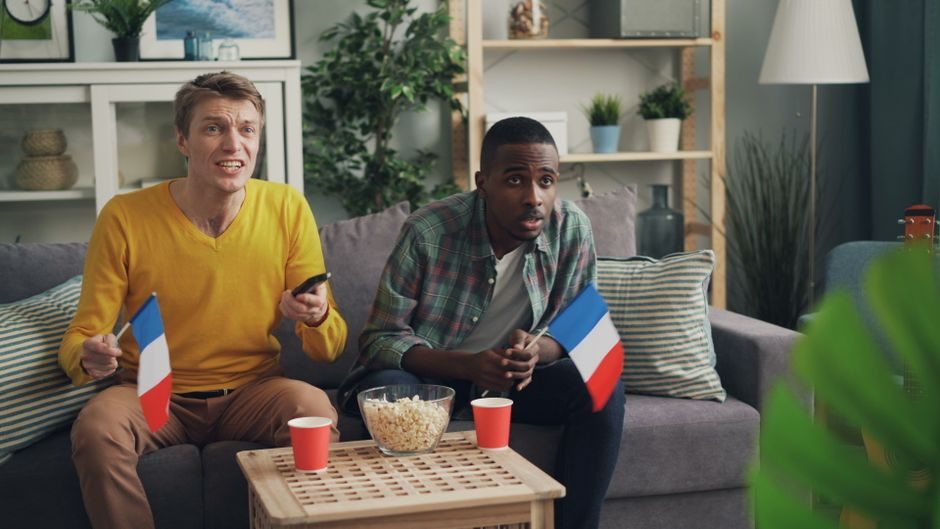
Create a short ritual before watching: set lighting, choose a seat, and decide a focal question. This frames the experience and primes your eye for design choices.
- Set a viewing goal
- Log three visual moments
- Write a concise caption
Use a simple post-viewer to sketch a visual log: three frames from the game that stood out visually, and a sentence about why they matter. This habit makes observations repeatable and shareable.
Share your finds in a small, visual-friendly format—one image with a concise caption that highlights color, form, and movement. It makes conversations about sport feel like gallery talks.
- Establish a pre-viewing focus
- Keep a visual log of moments
- Create concise captions for social sharing
Frequently asked questions
How do I start seeing games as art without prior design knowledge?Begin with three questions before each viewing: where is the eye drawn first, what colors dominate the frame, and how does a sequence of actions create momentum? Answering these clarifying questions trains your eye and builds vocabulary that transfers to other art forms.
What makes a match visually meaningful beyond the score?Look for moments where space, movement, and light align to produce a sense of balance or surprise. These moments resemble study-ready compositions, where the eye follows a deliberate path through the action.
Is this approach compatible with other sports or performances?Yes. The same principles—rhythm, framing, color, and composition—apply to dance, theater, and even street performances. The goal is to see how structure and spontaneity work together to tell a story.
How can I share my observations without sounding vague?Use concrete descriptors: talk about line coherence, color contrast, and moment-to-moment transitions. By linking sensation with specific visuals, your notes become actionable for others.
Conclusion
Two thoughtful paragraphs that restate the artful lens on group-stage football without repeating the same ideas.
A clear next step that invites readers to try a guided viewing and to share outcomes with a community.
Add Decoration & Art News Decoration & Art as a preferred source on Google


