
Artful guide to Birmingham news for readers and creators
A practical buyer's guide blending DecoArt’s design lens with Birmingham Daily latest news context to help artists assess local media resources.

If you want fresh, trustworthy local context for your art practice, this guide explains how Birmingham news can shape your next project. It translates daily headlines into practical ideas for exhibitions, commissions, and audience reach. You’ll find a clear way to compare sources and pick what matters most to your work.
Local reporting matters for artists who draw on place, culture, and community. This piece shows how to evaluate what you read, avoid noise, and apply relevant updates to your studio or curatorial plans. Expect concrete steps, not abstract judgments.
Across the four sections you’ll discover how to assess tone, verify relevance, and translate news into creative decisions. The aim is to help you keep your practice informed without letting current events overwhelm your process.
- This guide helps artists judge Birmingham news for relevance to art projects and local opportunities.
- It shows how to compare sources, translate headlines into concrete steps, and avoid common traps.
- Use the outlined steps to build a practical, project-focused media literacy habit.
- The table provides a quick way to compare three approaches to interpreting local coverage.
Basics to expect from local media
What counts as reliable coverage
Reliable coverage reduces hype and sticks to verifiable facts. Look for multiple sources confirming a story and read beyond headlines to understand context. When sources disagree, note the bias and compare what each piece highlights. Birmingham Daily latest news helps you stay aware of city-level developments that could influence your next installation or collaboration.
- Relying on a single outlet; seek multiple perspectives
- Accepting headlines as full stories; skim for context
- Ignoring dates or updates; ensure current relevance
In practice, gauge whether reporting links to original documents, official statements, or primary data. See if the writer distinguishes between rumor and fact, and whether claims are dated or updated.
Artists benefit from stable timelines and clear sourcing, especially for public art commissions or gallery partnerships. If coverage feels heated or vague, seek a second, more grounded take.
- Look for corroboration across outlets
- Check dates and updates
- Identify stated source material
- Notice any sensational language
- Compare with official records
How arts readers can use news
Turn a news item into a 90-second briefing you can share with collaborators. Note potential impacts on deadlines, budgets, and space use. Translate a story into a question you can pose to peers or curators.
Apply a local angle: how does a Birmingham piece affect site-specific work or gallery programming? Record concrete ideas, such as a new venue, a commission opportunity, or a community collaboration.
A practical habit is to annotate articles with potential artworks, exhibition themes, or audience experiences. This keeps information actionable rather than decorative.
- Annotate with project ideas
- Record deadlines and spaces
- Draft quick concepts for shows
- Note community angles
- Share briefs with collaborators
How to compare sources for art needs
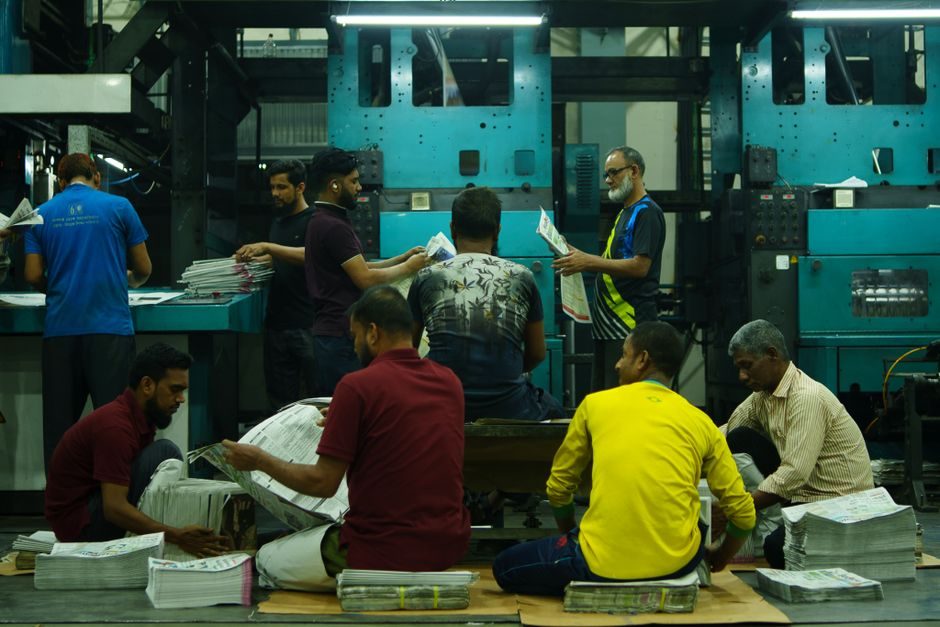
Matching content to your project
Your project dictates what counts as useful information. If you’re planning a local exhibition, look for background on venues, permissions, and community voices. Local news can reveal timing and access details you won’t find in national outlets. Promote your event in Birmingham when you’re ready to reach a local audience with a well-timed press release and clear call to action.
For education or outreach, prioritize pieces that discuss audience engagement, cultural impact, and partner organizations. Distill these into practical steps for your outreach plan.
Always map a source to a concrete decision: a grant deadline, a venue booking, or a public program. This keeps the news anchored to your creative calendar.
- Identify venue info
- Highlight community voices
- Track deadlines
- Extract engagement strategies
- Cross-check with calendars
Sourcing for a project timeline
Build a timeline by aligning news items with project milestones. If a story mentions a policy change or funding program, note its opening dates and required steps. This helps you plan submissions, commissions, or festival entries.
Use a simple grid to mark relevance: high relevance vs. contextual background. Focus on items that directly affect your production or audience activities.
Keep a running list of potential partners you encounter in articles, so you can reach out while the topic is current.
- Create a relevance score
- Mark critical dates
- Record partner possibilities
- Update weekly review
- Capture inspiration blocks
Options for using local news in art practice
Projects and commissions from headlines
Turn a news item into a commissioned artwork or community project. Use a headline as a prompt, then outline a concept, materials, and a public-facing goal. This bridges current events and creative practice. Find local businesses in Birmingham to partner with artists for venues, framing, or community projects through practical outreach and joint programming.
- Identify an article
- Draft a concept sketch
- Reach out to partners
- Execute and evaluate
Consider partnerships with local organizations mentioned in stories. Reach out with a concrete proposal that aligns with their stated aims.
Document the development from idea to public output, noting audience reactions and logistical notes for future reference.
- Prompt-driven commissions
- Partnership outreach
- Documentation and reflection
| Format | Access | Practicality |
|---|---|---|
| News briefs | Daily or weekly | Fast, concise prompts for small decisions |
| In-depth reports | Monthly or quarterly | Deeper context for budgeting and planning |
| Community bulletins | Occasional | Direct connections to venues and partners |
Pitching to venues and funders
News context can support grant narratives or venue pitches by showing local relevance and audience interest. Cite dates, community impact, and accessible formats to strengthen the proposal.
Tailor the tone to funders’ priorities—impact, accessibility, and sustainability—while staying true to your work’s integrity.
Keep a concise appendix with links to articles and a short summary of what the audience learned or experienced.
- Highlight local relevance
- Provide impact statements
- Include article links and summaries
Always check for corrections or updates before acting on a story that affects budgets or timelines.
Pitfalls to avoid when using press

Overreliance on a single source
Relying on one outlet risks missing perspectives or updates. If a story evolves, the initial angle may mislead you about timelines or opportunities. Place an advert in Birmingham to test audience response to a new concept or to support a community-facing work in progress.
Diversify by consulting at least two independent sources and official channels. This guards against bias and incomplete information.
Always check for corrections or updates before acting on a story that affects budgets or timelines.
- Diversify sources
- Watch for corrections
- Note biases
- Validate with primary documents
Misreading the local market
Local media reflect a specific ecosystem. A promising opportunity in one neighborhood may not translate to another. Always assess geographic fit for your audience and logistics.
Ask questions about access, audience, and long-term viability before committing resources. If the fit is uncertain, pilot on a smaller scale first.
Keep your project’s core goals intact even when external opportunities shift.
- Assess geographic fit
- Test on a small scale
- Preserve core goals
Comparing formats and access
Print vs online archives
Start by mapping what you actually need: quick updates, in-depth features, or archival material. Print formats serve steady, periodic reads, while online archives offer searchability and filters. For artists, access to high-resolution images and long-form pieces can influence project research and color decisions. place an obituary in Birmingham has the potential to spark memorial-inspired pieces or community storytelling projects that fit a neighbourhood-themed exhibition.
Compare paywalls, library access, and subscription models to understand what fits your budget and workflow. Look for free trial periods or institution access that might unlock more content without adding cost.
Consider how often you’ll need updates. A weekly digest helps with broad context, whereas real-time feeds suit ongoing projects or commissions. The goal is to match format to your working rhythm and creative schedule.
- Use filters to narrow local topics relevant to art
- Check image licensing terms for reuse
- Note the publication date to track timeliness
Ethics and reliability in reporting
Trustworthy sourcing
Reliability starts with sourcing. Look for reports that name multiple independent sources and avoid single anonymous claims. For art readers, verified statements about gallery openings or funding influence can guide timely responses to exhibitions.
Evaluate how outlets handle corrections and updates. Transparent corrections build long-term trust, and clear attribution helps you assess potential biases in a piece.
Consider the outlet’s editorial standards and any stated code of conduct. When a site explains its verification steps, you have a clearer basis for using its content in your practice.
- Look for named sources
- Check attribution of quotes
- Note whether updates are timestamped
- Seek outlets with visible corrections policy
Bias and framing in local coverage
Local coverage can color artistic decisions, from the portrayal of neighborhoods to the framing of cultural events. Recognize who benefits from certain angles and how that shapes recommended actions for artists.
Compare multiple outlets to spot framing differences. If one source emphasizes controversy, another may highlight community impact or historical context, giving you a fuller picture.
Use critical questions when consuming stories: who is quoted, what evidence is presented, and what is omitted? This helps you interpret coverage without accepting a single narrative.
- Identify the main stakeholders quoted
- Note the context provided for events
- Check for conflicting viewpoints
- Assess the usefulness for your project
Digital tools for staying current
Alerts and newsletters
Set up targeted alerts for art districts, galleries, and local culture events to stay informed without being overwhelmed. Curate feeds by topic to ensure updates are directly useful for your practice.
Leverage newsletters that summarize weeklies and special reports. A well-designed digest can save time and highlight opportunities for exhibitions, residencies, or commissions.
Remember to review archived digests occasionally; they can reveal recurring themes or long-running programs relevant to ongoing projects.
- Create topic lists (e.g., graffiti, sculpture, public art)
- Schedule weekly review time
- Save important stories with your own notes
- Respect privacy and consent when sharing information
Plans and calendars for artists
Project calendars for studios
A dedicated project calendar keeps deadlines visible and helps coordinate with collaborators. Use color coding for grants, show dates, and delivery windows to avoid last-minute rushes.
Plan ahead by cross-referencing Birmingham-based art events with your production cycle. If a major opening coincides with a critical build phase, adjust schedules accordingly.
Keep a rolling list of local opportunities discovered in news feeds and newsletters; revisit monthly to decide which to pursue.
- Color-code by priority
- Block time for studio work
- Note submission deadlines
- Track opportunities and requirements
Frequently asked questions
How do I assess the reliability of a Birmingham news item for use in art projects?Start by checking multiple sources for corroboration, noting the presence of named sources, and looking for clear dates and attributions. If a story lacks these, treat it as a starting point rather than a definitive reference. Cross-check with institutional announcements or gallery calendars before planning work.
What’s the best way to organize local news for creative use?Create a simple system: tag stories by theme (exhibitions, funding, community events), store PDFs or links in a searchable folder, and add brief notes on how each item informs your work. Review weekly to spot patterns and opportunities.
How can I use Birmingham news without compromising privacy or ethics?Avoid publishing or reproducing personal details without consent. Seek official statements, respect memorial contexts, and limit use of sensitive information to what is necessary for your artistic concept and public presentation.
What counts as a useful local tip for an upcoming show?A useful tip points to a concrete opportunity: an opportunity deadline, a venue’s submission window, or a community partner looking for collaboration. Record how you discovered it and what action you took, so you can replicate the process next time.
Conclusion
Local Birmingham news can inform your art practice without dictating it. The key is selective reading that aligns with your medium, timeline, and audience. Use it to anticipate openings, funding opportunities, and cultural conversations that intersect with your work.
Develop a habit of cross-referencing stories with your own records and sketches. This keeps your practice grounded in current events while preserving your creative direction.
Add Decoration & Art News Decoration & Art as a preferred source on Google


