
Artful guidance: finding local classifieds for artists in the USA
A practical how-to for artists using local classifieds in the USA, with steps, pitfalls to avoid, and pro tips for finding studio space, materials, and exhibiti

Artists often need affordable spaces, supplies, and opportunities close to home. This guide helps you use local classifieds in the USA with clear steps and practical checks, so you can find what you need without wasting time. You’ll learn how to filter listings, verify details, and pick options that boost your studio practice and creative projects.
From there, we’ll map reliable paths through common listings: spaces, residencies, materials, and events. Each tip is framed as a concrete action you can take today, with examples that apply to visual arts, design, and culture. The goal is to make procurement and discovery feel effortless, not overwhelming.
Use this checklist to turn scattered postings into organized opportunities for your art practice, whether you’re hunting a studio, a show, or supplies.
- This guide shows how to use local classifieds in the USA to find studio space, materials, and art events. Each step emphasizes practical, verifiable actions. You’ll learn to filter, contact, and compare listings with confidence.
- You’ll avoid common missteps by using consistent questions, visit plans, and a simple scoring method. The approach keeps your art practice moving without overspending or taking unnecessary risks. The result is a reliable rhythm for sourcing what you need.
- The process respects readers who want clear criteria, concrete examples, and tangible outcomes. It treats listings as maps rather than noise, guiding you from initial search to confirmed opportunity.
Essential basics for artists
Understanding your needs
Start by listing your needs in order of priority: space type, location, budget, and time frame. Compare listings against a simple grid so you can see which postings truly fit. This foundation prevents wasted time on unsuitable offers. local classifieds in the USA
- Define your must-haves first
- Note flexibility in dates
- Record contact details clearly
Assessing safety and legitimacy
Always verify safety standards and legitimacy before committing. Visit in person when possible and bring a checklist to compare amenities and contract terms. Trust your instincts if a listing feels vague or the owner hesitant.
Choosing spaces and resources
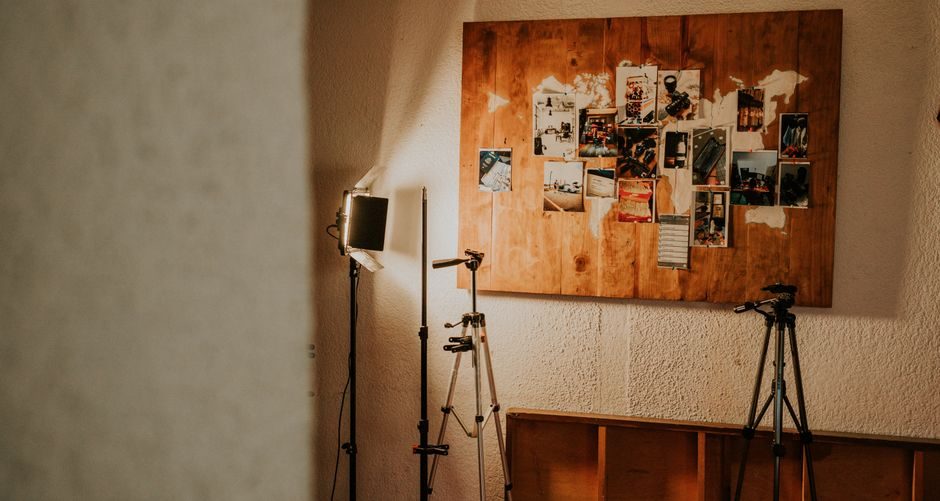
Studio vs. project space
Different listings suit different needs. A studio offers ongoing access and a dedicated area, while a project space might be cheaper but time-limited. Assess your workflow and how often you need to work on pieces. Defense News US
- Know your usage frequency
- Balance cost and access
- Test equipment before committing
- Studio access can stabilize a practice
- Project spaces can be budget-friendly
- Consider proximity to transportation
- Check equipment availability
Material and equipment listings
Local classifieds often list surplus materials, tools, and studio gear. Compare prices, condition, and return policies, and ask for recent photos. If possible, negotiate a small, practical trial to test performance.
- Ask about wear and tear
- Request functioning demos
- Confirm pickup logistics
- Check resale value and repair options
Events and opportunities
Finding shows and pop-ups
Search for pop-up galleries, open studios, and community shows that accept submissions. Local classifieds can surface opportunities not found through big platforms. Build a small contact list of event organizers and note submission windows. submit an event in the USA
- Follow local arts calendars
- Ask about entry fees
- Track submission deadlines
- Save direct organizer contact
| Option | Pros | Cons |
|---|---|---|
| Studio space | Stable access, dedicated area | Higher cost and commitment |
| Project space | Lower cost, flexible | Limited hours, shared space constraints |
| Material swap | Access to cheap supplies | Varied quality and availability |
Community and collaboration
Classifieds can connect you with collaborators, mentors, and space sharers. Look for postings about collaborative projects or shared studios. Reach out with a concise pitch that highlights your work and what you offer to partners.
- Craft a short portfolio note
- Offer a clear collaboration idea
- Suggest a meeting time
- Respect response timelines
Compare the post to nearby listings to spot outliers in pricing or description.
How to verify listings

Spot check authenticity of postings
Start by assessing the listing details for consistency and specificity. Look for clear photos, dates, and contact information. If something feels vague or rushed, treat it as a warning sign and proceed with caution. local business directory in the USA
Compare the post to nearby listings to spot outliers in pricing or description. Track the seller’s activity—recently posted items or multiple listings can indicate legitimacy. When in doubt, ask direct questions and request additional images before engaging further.
Verify the platform’s safety features, such as дело verification or buyer protections, and use them as a baseline for trust. Report suspicious activity to the site and, if needed, move conversations to a separate channel.
- Ask for more photos or setup details
- Check for consistent contact methods
- Look for a recent posting timestamp
- Notice discrepancies in item condition
Cross-check with local venues
Visit or call nearby galleries, studios, and maker spaces to see if the listing aligns with current events or inventory. Local networks often validate what online posts claim. This reduces the risk of scams and mismatched expectations.
Document conversations and exchanges, saving screenshots or notes in case the deal needs follow-up. A paper trail helps resolve later disputes and clarifies shipping or pickup terms.
If a listing echoes known community patterns—like recurring studio shares or collaborative projects—use that as a baseline to judge legitimacy. When something doesn’t fit the local scene, slow down the process.
- Call the venue to confirm contact
- Match posted items with regional inventory
- Ask for public references or showcase spaces
- Be wary of overly generic descriptions
Legal basics for classifieds
Understand ownership and rights
Clarify who owns the item and who can transfer ownership. For artwork, confirm whether a piece is sold with a license or full title. This prevents disputes about rights after the sale. If you’re curious about a specific listing and want broader context, place a death notice in the USA to see how the community responds and what terms emerge as norms.
- Ownership terms should be explicit
- Provenance matters for value
- Define license scope if applicable
Ask for receipts, certificates of authenticity, or provenance when available. These documents don’t guarantee value, but they provide a clear history that informs price and re-sale potential.
Be prepared to discuss terms of sale, including commissions, consignment, and transfer of physical or digital rights. Clear terms protect both artist and buyer from future misunderstandings.
- Request provenance documents
- Clarify whether rights are transferred
- Define whether shipping or pickup is included
- Note any resale restrictions
Contracts and safe payments
Treat classifieds like any small sale: confirm total price, delivery method, and timelines in writing. A simple contract reduces miscommunications and sets expectations. Always document changes to the agreement.
Use traceable payment methods and avoid wire transfers to strangers. Email confirmations, receipts, and payment references create a reliable record of the transaction.
When in doubt, pause the deal and seek local advice from a mentor or a trusted guild. Having a small, formal agreement can save time and money later.
- Use written terms
- Prefer traceable payments
- Keep a transaction record
- Ask for delivery or pickup milestones
Digital equivalents and offline balance
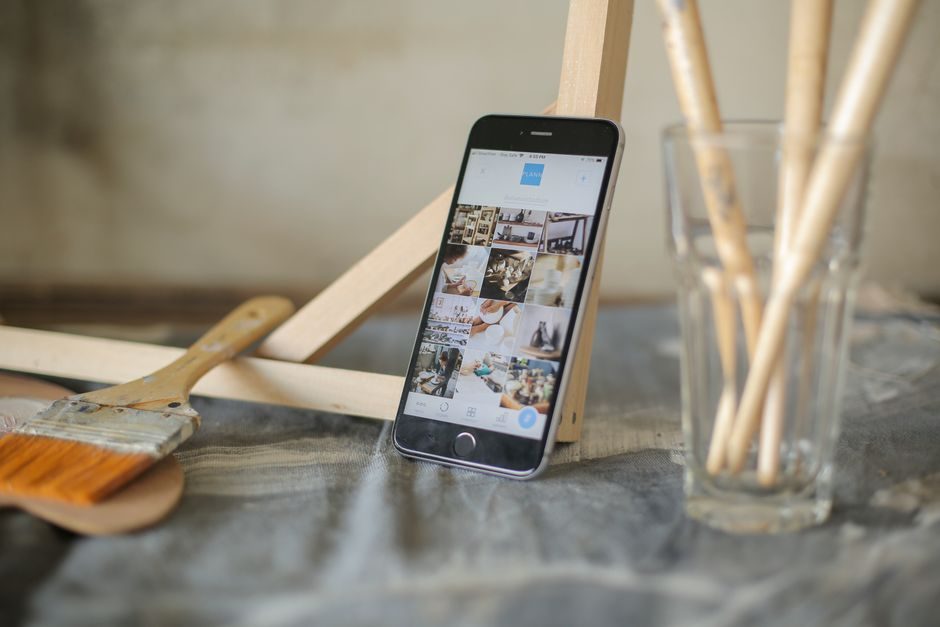
Where online meets gallery closes
Online classifieds complement physical spaces by widening access to local artists. Use both to compare availability, but prioritize in-person visits for firsthand assessment of work, scale, and material quality. This balance helps avoid misrepresentation in listings.
Plan a short visit to a studio or pop-up where possible. Seeing the work in person provides a more accurate sense of color, texture, and finish than photos alone.
Record impressions while you’re there: note lighting, scale, and handling conditions. These observations guide whether to proceed or pass.
- Schedule in-person viewings
- Compare online photos with real works
- Assess material quality onsite
- Trust direct experience over description
Pricing and condition cues online
Learn how condition is described in listings and what that means for price. Terms like ‘excellent’ or ‘minor flaws’ can vary between sellers. Ask for a condition report or close-up shots of areas of concern.
Understand how shipping affects total cost. Some pieces may require special handling, insurance, or framing that adds to the final price.
If the listing includes a studio sample or setup image, compare it to the real object’s scale and wear. It helps you gauge value and authenticity.
- Ask for multiple angles
- Request a condition report
- Factor in shipping and framing
- Compare scale in photos versus real object
Ethics and etiquette in local postings
Respectful communication
Begin with a polite inquiry that states intent and boundaries. Short, precise questions save time and establish tone. Maintain professional language even when negotiating price or terms.
- ☐ Start with a clear purpose
- ☐ Maintain professional tone
- ☐ Keep a written trail
Avoid pressuring a seller or demanding discounts. Respect their evaluation of the work and timeline. Building trust early prevents friction later in the deal.
Keep records of all communications to avoid memory gaps. A clear thread helps reference details if the transaction becomes complex.
- Start with a courteous intro
- Be patient with responses
- Document key agreements
- Respect seller timelines
Respect for the work and the maker
Acknowledge the artist’s process and the care behind each piece. Asking thoughtful questions about materials, scale, and handling shows genuine interest and fairness. Respect for process reduces the risk of damaged trust if revisions occur.
Avoid bargaining tactics that seem exploitative, especially for limited editions or one-of-a-kind works. If you’re unsure, defer to the artist’s listed terms or offer a fair counterproposal.
When photos show fragile or unique elements, request additional details about handling, display, or installation considerations. Protecting the work protects the artist’s livelihood.
- Ask about materials and care
- Avoid aggressive haggling
- Request handling information
- Honor the artist’s terms
Frequently asked questions
What counts as a legitimate listingLegitimate listings present clear terms, verifiable contact information, and enough detail to assess the work. Look for consistent visuals and a credible posting history. If key details are missing, treat the listing with caution and ask for specifics.
How to avoid scams in local classifiedsScams often rely on vague descriptions, high-pressure tactics, or unusual payment methods. Stay skeptical of offers that seem too good to be true and use official platform channels for messaging and payments.
What to prepare before meeting a sellerBring measurements, photos, and provenance where available. Prepare questions about materials, care, and authorship to guide the conversation, and meet in a safe, public place.
Handling issues after a saleKeep receipts and contracts organized. If problems arise, refer to the written terms to resolve them, and document any agreed remedies for future reference.
Conclusion: next steps for artists
A practical approach to local classifieds turns scattered postings into a reliable part of an artist’s workflow. Use it to find studio space, exchange materials, or connect with collaborators, but treat each lead as a potential thread rather than a guarantee.
Build a routine that combines verification, comparison, and documented decision making. Regular checks reduce surprises and sharpen your judgment over time, especially for delicate works and limited editions.
Add Decoration & Art News Decoration & Art as a preferred source on Google


