
Advertise a Job Vacancy in the USA for Artists and Designers
A practical guide for decoart.net readers on posting a job vacancy in the USA, with clear steps, examples, and pitfalls to avoid in the art world.

A job posting in the USA can matter to artists and designers who want to join studios, galleries, or cultural nonprofits. This guide explains practical steps and smart choices that align with creative work, values, and timelines. You’ll learn how to craft a clear posting, pick the right platforms, and avoid common missteps that slow the process.
Think of this as a checklist you can adapt to your studio or institution. We focus on clarity over hype, and on concrete outcomes: attracting candidates who fit your culture, not just your budget. The aim is to help you move from a vague vacancy to a well-targeted call that invites qualified applicants to respond promptly.
This half of the guide covers basics and the first practical options. You’ll see real-world examples and neutral guidance that respect both artists and recruiters, with a focus on the specifics of the US hiring landscape. The emphasis remains on usefulness and artistry, not buzzwords.
- Find the right audience for your vacancy through targeted platforms.
- Write a clear, project-focused ad that reflects your studio culture.
- Choose posting formats that balance reach with relevance and time.
- Anticipate common hiring missteps and plan a smooth application flow.
Basics of posting a vacancy
Understanding the audience
Start with who you need: a role, a set of tasks, and the level of experience expected. Be concrete about hours, location, and collaboration style to avoid miscommunications. Mention any visa or eligibility requirements early to prevent late rejections. advertise a job vacancy in the USA
Choosing where to post
Choose platforms that artists actually use, not just big job boards. Local arts organizations, MFA programs, and regional galleries often deliver better applicants. Consider combining a general site with a niche arts network for balance.
- Use specialized art and design boards alongside mainstream job sites
- Publish a short, vibrant description of your project to attract curious applicants
- Provide a deadline and a simple application process
How to write the job ad

Clear requirements
List essential qualifications first and separate nice-to-haves. Use action verbs and specific tools or software where required. This clarity helps applicants self-filter before submitting materials. A useful resource on this topic: business news.
Show the project and culture
Describe the project’s aims and how the role contributes to the larger body of work. Include studio values, collaboration style, and the rhythm of reviews. A candid tone helps the right candidates imagine daily life in your team.
- Give a real example of a typical week
- Mention opportunities for growth and learning
- Clarify decision-making and feedback processes
Options for posting and visibility
Paid vs free postings
Paid postings can reach a broader audience and offer more controls (featured placement, targeted visibility). Free postings often yield thoughtful applications from active applicants who are paying attention to craft. Weigh the balance against your budget and timeline. A useful resource on this topic: post your event in the USA.
- Budget for a few targeted boosts if possible
- Use a concise, relevant job title to improve searchability
- Track where applicants come from to inform future posts
| Platform type | Pros and cons | Best use case |
|---|---|---|
| Paid listings | Broader reach, targeting; may increase cost | When you need speed and specificity to your field |
| Free postings | Low cost; slower response | Early-stage projects or small budgets |
| Niche arts networks | Better relevance; moderate reach | Projects requiring specialized skills |
Timing and cadence
Post when your studio can review applications promptly. Avoid weekends if you expect a fast turnover, and announce a clear deadline. After the deadline, plan a quick shortlist and first-round interviews to keep momentum.
- Set a mid-point reminder if the posting runs long
- Schedule interview slots within a week of the deadline
- Communicate next steps clearly to all applicants
Provide a single, clear path to apply and respond to inquiries within a few days.
Pitfalls to avoid

Overly broad criteria
Broad criteria invite too many unfocused responses. Narrow essential skills and limit the list of nice-to-haves. This helps your shortlist stay manageable and your process fair. A useful resource on this topic: list your business in the USA.
- Avoid listing dozens of tools unless essential
- Don’t imply impossible timelines or requirements
- Be honest about compensation and expectations
Poor applicant experience
A clunky application process or vague deadlines frustrates good candidates. Provide a single, clear path to apply and respond to inquiries within a few days. A smooth process preserves your studio’s reputation as a thoughtful employer.
- Offer a simple portfolio submission format
- Provide a contact for questions
- Confirm receipt of every application
Terms and contracts
Job offer terms and expectations
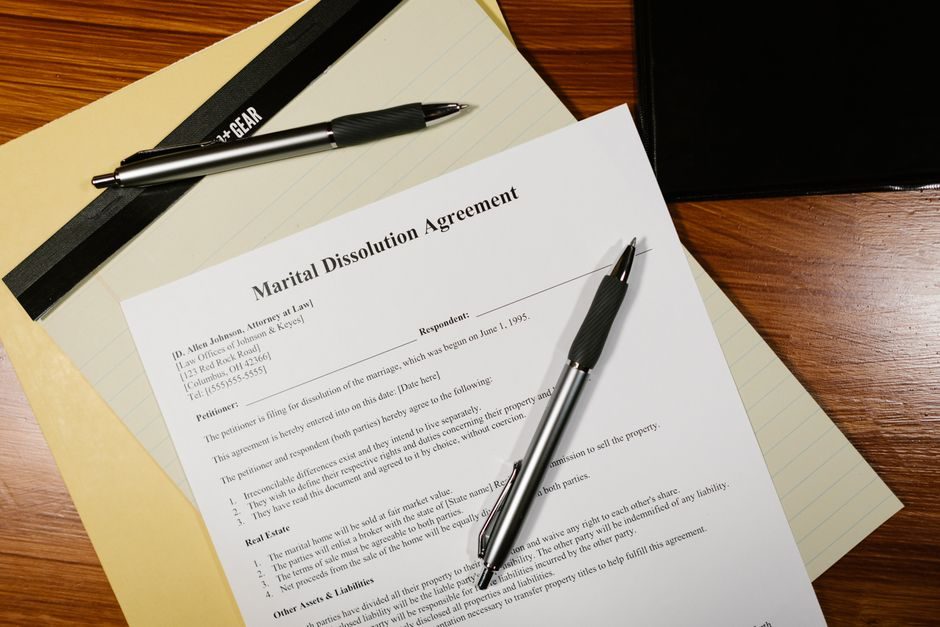
Outline the essential terms clearly to prevent miscommunication later. Include start date, compensation range, and reporting structure with a brief note on review periods. This clarity saves time for both artist and employer and reduces negotiation friction. submit an obituary in the USA
- Define scope of work in measurable terms to avoid scope creep
- State payment cadence and invoicing expectations
- Describe ownership of created assets and rights retention
Provide examples of typical arrangements such as freelance, contract, or remote roles, and specify any licensure or rights considerations up front. Mention project scope, deliverables, and rates to help applicants gauge fit. A concrete description helps artists assess whether the position aligns with their practice.
Specify termination and renewal options in plain language. Include notice periods and any probationary terms that may apply. Being specific here protects both sides and keeps the focus on creative collaboration.
- Clarify start date
- Define compensation
- Describe deliverables
- Explain rights and usage
- State termination terms
Legal and compliance
Work authorization and rights
Ensure the job posting and contract comply with local and federal rules. Verify that the candidate has the right to work in the USA if required by the position. This reduces legal risk for both sides.
Include a simple consent about background checks or reference verifications if applicable, and explain what will be checked and why. Respect privacy by limiting data collection to what is necessary for the hiring process.
Detail any nondisclosure agreements or confidentiality expectations. Present these terms in plain language to avoid creating unnecessary anxiety for applicants.
- Right to work verification
- Background check disclosures (if any)
- Confidentiality expectations
- Contract governing law
Diversity and accessibility
Inclusive posting and language
Use gender-neutral language and avoid restricted terms that may exclude qualified applicants. This makes the field more welcoming to a wider range of ideas and styles. A simple adjustment in the job summary can expand your applicant pool.
- ☐ Avoid biased phrasing in the ad
- ☐ Ensure accessibility in application steps
- ☐ Offer alternative formats for submissions
Describe the workplace culture in terms of collaboration and mentorship rather than traditional hierarchy. Highlight flexible work options if available to accommodate different schedules or caregivers.
Proactively invite applicants from underrepresented groups without making assumptions about what they can or cannot do. A diverse pool often leads to more inventive outcomes.
- Use inclusive terms
- Mention flexible options
- Invite diverse applicants
- Avoid jargon and clichés
Evaluation and onboarding
Screening and trial work
Develop a fair screening process that respects time and expertise. Use a small paid test or portfolio review to assess core skills without demanding excessive hours. Consider a short paid assignment to gauge fit.
Provide clear criteria for evaluation and share them with applicants upfront. This transparency helps maintain trust and reduces later disputes.
Plan a phased onboarding: introduce the project, assign a mentor, and set milestones with check-ins. A structured start keeps momentum and clarifies expectations.
- Define evaluation criteria
- Offer a paid sample task
- Set clear milestones
- Assign a mentor or point person
Frequently asked questions
How long should a vacancy remain open?Most listings set a deadline of two to four weeks to balance visibility with a timely decision. If responses lag, consider a short follow-up extension and adjust the posting language to reflect any clarified needs. This helps avoid rushing or overextending the search.
Should I require a cover letter?Cover letters can reveal motivation and approach, but they also add friction. If you keep questions focused on the portfolio and brief project description, you’ll gather relevant insights without deterring strong candidates.
What rights do I need to specify for artwork created during the project?Clarify ownership, usage rights, and any royalties or post-project permissions. A simple, explicit note about who retains rights to the final artwork and how it can be used prevents misunderstandings later.
How do I make the process more inclusive?Describe the posting in inclusive terms, provide accessible submission options, and offer alternative formats for portfolios. A welcoming process helps attract a wider range of talent and results in more varied work.
Conclusion
The right job vacancy for artists and designers clarifies value on both sides. It sets expectations, protects creative freedoms, and helps teams start with trust. Start with precise terms and a clean onboarding plan to smooth the path from posting to collaboration.
A well-crafted process invites a broader, bolder range of applicants and elevates the work you commission. Use the lessons here to refine future postings, track what resonates, and keep your studio open to fresh voices.
Add Decoration & Art News Decoration & Art as a preferred source on Google


