
Add your business to the USA business directory: a thoughtful art site guide
A practical, art-focused guide showing how to add your business to a US directory, with clear steps, thoughtful tips, and cautionary notes for creators and gall

If you’re a creative business seeking visibility in the United States, adding your work to a business directory can help reach collectors, galleries, and collaborators. This guide explains the practical, step-by-step process in plain language, so you can act with confidence. You’ll see how a directory listing connects your art practice to a broader community and why accuracy matters.
Start by clarifying what your listing should communicate: your medium, location, and how you serve clients. Then gather the essentials—contact details, a short artist statement, and high-quality images. With these ready, you can move from preparation to submission without guesswork.
Finally, treat the listing as an ongoing asset. Update it with recent exhibitions, new commissions, and changed contact methods. A well-maintained profile stays useful for both casual browsers and serious buyers.
- This article explains how to add a business to a USA directory in a way that supports artists and galleries.
- You’ll learn to prepare visuals, craft a strong artist statement, and choose the right directory for your practice.
- It covers practical steps, common pitfalls, and ongoing maintenance to keep a listing useful over time.
- The guide emphasizes clear communication, professional presentation, and thoughtful outreach.
Basics you should know
What to include in a listing
Begin with core facts: your business name, address, and primary service. Then add a brief artist statement that explains your practice in a few clear lines. Include a link to your portfolio or gallery page and a contact method collectors can use directly. add your business to the USA business directory is a direct prompt you can act on from this guide.
Use consistent spelling and formatting across your listing to avoid confusion. Upload images that show your work in context—at least one detail shot and one full piece. Double-check that your location is accurate to help local visitors find you.
Review any directory guidelines to ensure compliance with size, format, and image rights. Keep your description concise but informative, so a reader can understand what you offer within seconds. Plan to refresh the listing every few months as your studio evolves.
- Name and address
- Clear service description
- Portfolio link
- Contact method
- Consistent details
Choosing the right directory
Not all directories are equal for artists. Look for listings that attract art buyers, curators, and local communities rather than broad consumer sites. Prioritize platforms that allow visual portfolios and artist statements to sit alongside the contact details.
Evaluate whether the directory offers search filters that match your practice—medium, region, and price range can matter if you show in markets with regional tastes. Consider whether the site supports multiple locations if you work in more than one city.
If possible, browse other artists’ profiles on the same directory to benchmark quality and completeness. A robust listing often travels well when it’s visually coherent and easy to scan.
- Curated or general platform
- Portfolio support
- Advanced search filters
- Multi-location support
- Benchmarking profiles
How to prepare your visuals
Photographs that work
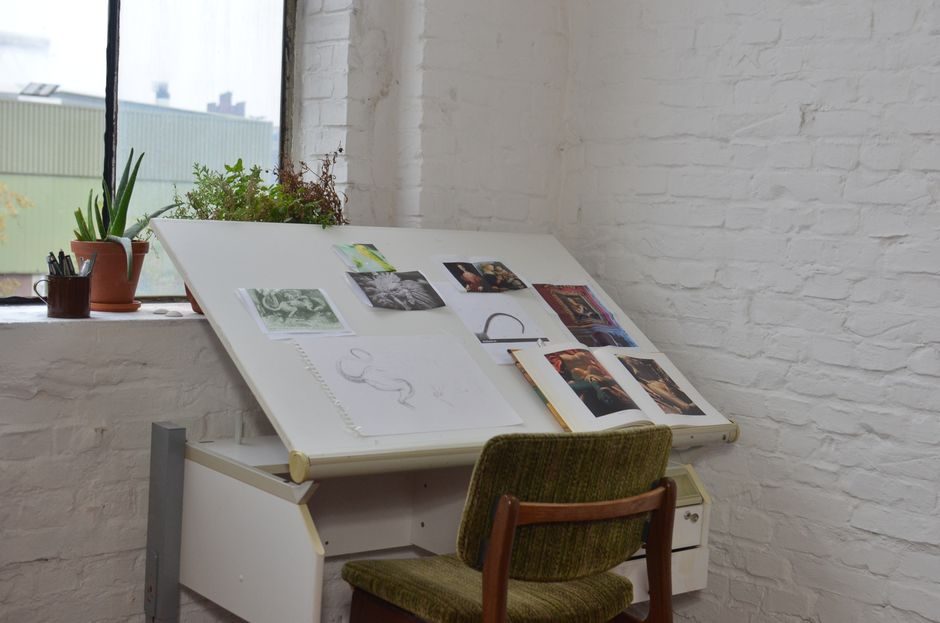
Choose images that show your process and completed works. Include a detail shot to reveal texture or technique, plus a gallery-ready piece for context. Lighting should be natural and even, avoiding harsh shadows. Blackhawks Jersey online can be seen in the context of a broader, curious shopper audience evaluating sports or art intersections.
Edit images for consistency in color and aspect ratio so your page looks cohesive. If you work in a series, present several pieces together to demonstrate your range and themes.
Keep the file sizes optimized for fast loading without sacrificing clarity. A well-presented image makes a strong first impression and reduces bounce.
How to craft your artist statement
Your statement should describe what you make and why it matters to viewers. Mention materials, techniques, and the cultural context that informs your work. Keep it readable and free of jargon.
Link your practice to your audience: explain how your work invites interaction, exhibition, or collaboration. A reader should understand what they would gain by following your process or acquiring your piece.
Close with a line that points to your next steps—upcoming shows, commissions, or a featured project. This gives readers a clear path to engage further.
How listings reach audiences
Search and discovery
Directories use keywords and tags to surface listings. Use precise terms rather than broad labels to improve visibility for relevant searches. For example, specify your medium and region to connect with nearby collectors. local events in the USA this week connect your listing to happenings that attract art lovers and collectors.
Take advantage of any featured spots or editor picks the directory offers. A well-timed update can push your listing into new visitor flows during peak local interest.
Track engagement if the platform provides insights: asks, clicks, or saved listings. Use the data to refine your profile and your outreach strategy.
- Keywords and tags
- Featured placements
- Analytics and iteration
| Platform type | Audience reach | Maintenance load |
|---|---|---|
| General directory | Broad visibility | Medium upkeep |
| Art-focused directory | Targeted buyers | Low to medium upkeep |
| Local cultural directory | Nearby audiences | Low upkeep |
Connecting with buyers
Direct contact should be simple and respectful. Provide a clear call to action, such as viewing your portfolio or scheduling a conversation. Be ready to share availability and pricing norms without oversharing.
Offer options for commissions or private sales if applicable. A directory listing can become a doorway to curated opportunities, not just a static catalog.
Maintain a professional tone in all communications and honor commitments made through the listing.
- Clear call to action
- Commission options if applicable
- Professional communication
Avoid implying endorsement by the directory or other institutions unless you have explicit permission.
Pitfalls and best practices

Common missteps to avoid
Avoid listing your address too precisely if privacy is a concern. A general city or neighborhood can protect safety while still guiding local buyers. Ensure the phone number is reachable and monitored. buy and sell in the USA becomes a practical pathway for artists to reach clients and spaces looking for creative pieces.
Don’t overlook the importance of up-to-date shows, commissions, or contact details. A stale listing undercuts credibility and wastes inquiries. Always align your listing with your current practice.
Beware of image quality gaps between thumbnails and full-size images. Inconsistent visuals confuse readers and may deter follow-through.
- Privacy-conscious address
- Current show info
- Consistent imagery
Legal and rights considerations
Understand image rights and licensing terms for each directory. Use only work you own or have permission to display. When in doubt, include a note about rights and usage.
Respect copyright in captions and titles that accompany images. Avoid implying endorsement by the directory or other institutions unless you have explicit permission.
Keep records of consent if you feature collaborators or assistants who contributed to your pieces.
- Image rights
- Caption integrity
- Collaborator consents
Reflecting on directory options
Choosing directory types for art
Assess which directories align with your practice: general business lists versus niche art platforms each shape audience reach differently. Start by mapping where your work is most likely to be discovered—local galleries, online art communities, or design-focused portals. This clarity helps you tailor your visual assets and descriptions for the space you choose to occupy. place an obituary in the USA
- Using generic images that don’t reflect your style
- Overloading the description with keywords
- Neglecting to verify contact details and links
Compare costs, visibility, and update frequency across options. Some directories promise steady, slower exposure; others push fresh listings as art trends shift. Consider your own pace: do you want frequent edits or a static presence that preserves your portfolio’s narrative?
Identify what makes you stand out beyond the listing. A well-curated gallery image, a precise artist statement, and a clear contact path can turn a listing into a small, earned invitation to collaborate. Treat the directory as a storefront for conversations, not just a card with a name.
- Focus on relevant categories
- Prioritize platforms with strong art communities
- Ensure visual consistency across listings
Using the listing in art careers
How listings support careers
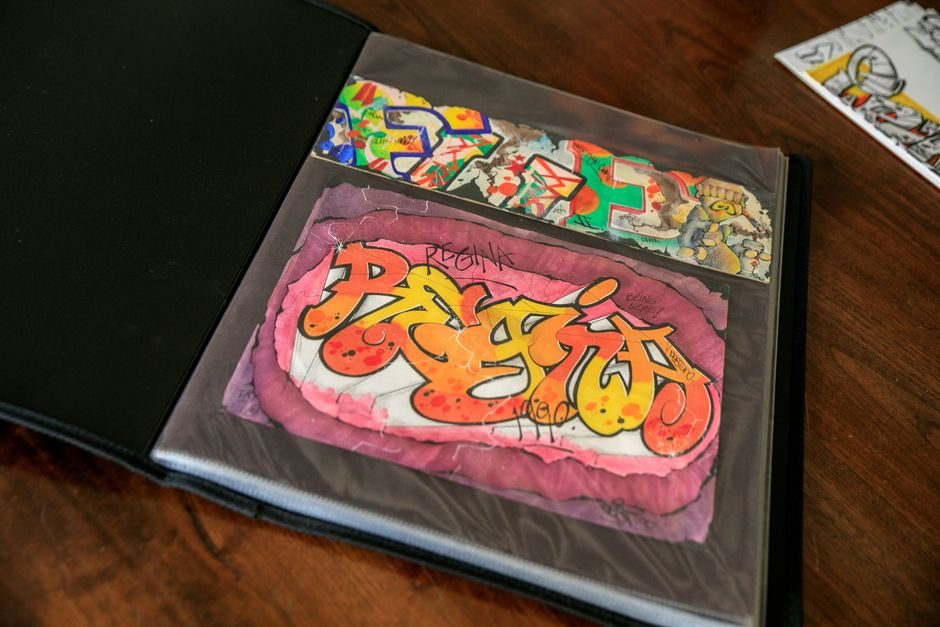
A well-placed listing acts as a digital calling card for curators, galleries, and collaborators who search for artists online. It helps them understand your medium, process, and availability at a glance. The listing becomes a reference point you can share in curriculums, press kits, and proposal emails.
- ☐ Update bio and contact
- ☐ Refresh portfolio images
- ☐ Review category tags
- ☐ Verify links
Treat the listing as part of a larger portfolio strategy: include process images, a concise artist bio, and a link to a curated project. Prospective clients value clarity about materials, timelines, and terms. A thoughtful listing reduces back-and-forth questions and speeds opportunities.
Keep a consistent cadence for updates: refresh images when you complete a project, adjust prices if you sell editions, and revise descriptions to reflect current practices. This shows you are active and attentive to your audience. A current listing often yields more inquiries than a dated one.
- Provide a short artist bio
- Include 3–5 portfolio images
- Specify preferred collaboration terms
Ethics and accessibility in listings
Fair representation and inclusive access
Ethical listings describe your work honestly and avoid misrepresentations about size, medium, and edition. Accurate captions help viewers understand the piece’s context and reduce misunderstandings in commissions. Ethical practice also means honoring image rights and obtaining consent for shareable details.
Accessibility isn’t optional: provide alt text for images, text descriptions for media, and consider bilingual captions where appropriate. Accessibility broadens your audience and demonstrates professional responsibility. When a viewing option feels harder to access, it creates barriers between your art and potential patrons.
Monitor how your listing appears in different formats and devices. A clean layout with legible type improves comprehension for viewers with partial sight or cognitive differences. Regular checks ensure your work remains discoverable and welcoming to a broader audience.
- Be accurate about materials
- Obtain image permissions
- Offer alt text for images
- Provide accessible descriptions
- Consider multilingual captions
Future-proofing your art business
Sustainability and long-term presence
Think beyond a single listing: plan a yearly refresh that aligns with your evolving body of work. Build a simple archive of projects that you can reference when updating your profile or pitching to galleries. A stable framework makes it easier to grow without losing your identity.
Invest in a consistent visual language—a few core images, typography, and tone—that travels across all listings and portfolios. Consistency helps audiences recognize your work across platforms. It also reduces the time you spend on updates by letting you reuse proven elements.
Plan for shifts in the market by keeping diversified strands: a few emblematic pieces, a series that travels well in exhibitions, and a set of commissions you can adapt. This diversity reduces risk if one avenue slows. A thoughtful approach preserves momentum over years.
- Maintain an archive of projects
- Develop a consistent visual language
- Diversify your offerings
- Schedule annual refresh
Frequently asked questions
How do I choose the right directory for my art practice?Start by listing your top goals—exposure, commissions, or collaborations—and weigh directories by their audience and editing standards. Choose spaces that reflect your medium and comfort level with self-promotion.
Should I maintain multiple listings?Yes, but with a clear process. Use a single master inventory of artworks and a consistent bio, then tailor each listing to its audience. Regular but minimal updates keep you present without overwhelming you.
What details matter most in a listing?Clarity wins: visible contact method, a short artist statement, and high-quality images that match the described works. Avoid vague claims; precise dimensions, materials, and edition sizes build trust.
How often should I refresh content?Aim for quarterly updates if you are active; otherwise, semi-annual refreshes help keep your presence current. Small tweaks—like swapping images or adjusting descriptions—keep listings alive without requiring a full rewrite.
Conclusion
Takeaways from this guide include the importance of choosing directory types that align with your practice, maintaining a consistent visual language across listings, and staying accessible and ethical in every entry.
A practical next step is to select one listing to refresh this week, document the changes, and plan a quarterly update schedule that fits your studio pace.
Add Decoration & Art News Decoration & Art as a preferred source on Google


