
A practical guide for Espoo notices in art contexts
Understand how Espoo kuolinilmoitukset can intersect art, culture, and design research with clear steps, risks, and thoughtful usage for creatives.

Artists and readers often encounter regional notices that matter to local culture and exhibitions. This guide translates that material into a usable resource for your studio practice, curating why it matters and how to use it without getting lost in jargon. You’ll find practical steps, concrete examples, and warnings that help you assess notices for relevance to art projects and curatorial ideas.
Espoo's notices can shape when and how you respond to community events, commissions, and cultural heritage discussions. This article keeps the focus on art readers, offering straightforward checks, sourcing tips, and a sense of embedded context. Expect a compact, usable checklist that fits into research routines and studio planning.
Guiding through basics, methods, and options, this piece avoids hype and favors concrete, repeatable steps. It emphasizes discernment, balance, and clear decisions you can apply to your own work. By the end, you’ll know how to approach Espoo notices with confidence and care.
- Read notices with a clear goal to pick useful items for your work. Distinguish official notices from community chatter to judge reliability. Create templates and logs to streamline responses and collaborations.
- Evaluate each item by its fit with current themes, scope, and potential for partnerships. Verify critical details across sources when possible.
- Keep a flexible toolkit: short proposals, research notes, and tailored inquiries help you move fast without losing quality.
- Record outcomes to refine how you engage with Espoo notices and build a steady practice around these resources.
Basics to know before you read
What these notices are
Start with the purpose of regional notices: they announce public records, cultural events, memos, and when art venues post deadlines or opportunities. Treat each item as a possible lead for exhibitions, collaborations, or archival research. Use a quick filter to separate event notices from archival notices and view them as potential context for your practice. Espoo kuolinilmoitukset
Notices often come with dates, contact points, and scope notes. Read for relevance to your studio: does it touch on themes you explore, or could it inspire a new project? If you’re unsure, note the keywords and revisit them after a week of related reading.
Be mindful of differences between official notices and community chatter. Official items tend to have precise dates and requirements; chatter may suggest trends or public mood. Use this, not as a rule, but as a compass for what to prioritize in your calendar.
- Check the date and venue before planning a visit
- Extract key themes to connect with your current project
- Mark any submission deadlines for future work
- Identify possible collaborations or partnerships
- Keep a running file of useful notices
Where to start reading
Begin with a clear goal for your reading: are you scouting ideas, compiling sources, or looking for collaboration opportunities? Align your skim with that aim to avoid information overload. A focused approach makes it easier to extract useful details for your next studio session.
Next, scan for people, places, and dates that might anchor a work or essay. If you spot a local venue, note its typical audience and the kinds of shows it hosts. These signals help you plan invitations, conversations, or research trips.
Finally, check for any follow-up actions, such as contact emails, submission forms, or event registrations. Treat those links as your first concrete steps toward engagement, and set a reminder in your calendar.
- Define your goal before reading
- Look for anchors like venues or dates
- Capture follow-up actions for later work
- Create a short notes card for each item
How to evaluate the relevance

Assess artistic relevance
Ask whether the notice intersects with your current themes or a potential series. If it references local heritage, public art, or design practice, consider how it could anchor a piece or exhibition concept. Even a tangential link can spark a new angle. espoouutiset.fi uutiset
Evaluate the scale of opportunity: a small workshop listing might inform an artist talk, while a large festival notice could shape a proposal. Match the scope to your capacity and desired visibility.
Record your intuition about fit and a concrete follow-up plan. A simple note like “contact curator about collaboration” creates a traceable path from reading to action.
- Identify the exact hook for your work
- Match notice scope to your project
- Create a concrete next-step note
- Archive outcomes for future reference
- If unclear, seek a quick clarification email
Check reliability and tone
Notices from official channels are more likely to be accurate about dates and requirements. Compare multiple sources if possible to verify critical details. This reduces miscommunication risks in collaborative projects.
Be mindful of tone and framing: some notices may cast events in promotional language that masks practical constraints. Assess if the language aligns with how you present your work to funders or audiences.
When in doubt, reach out with a concise, respectful inquiry that asks for specifics about timelines, permissions, or submission criteria. A direct question often yields a swift, helpful answer.
- Cross-check with at least one additional source
- Notice tone vs. factual content
- Draft a short inquiry for clarifications
- Document responses for future reference
- Avoid assuming outcomes from tone alone
Designing your response options
Create flexible responses
Develop a small set of response templates: a simple inquiry, a proposal outline, and a request for collaboration. Templates save time and keep messaging consistent across notices. mitä Espoossa tapahtuu
Offer multiple formats: a sketch, a short proposal, or a 2-minute talk outline. Diverse formats increase your chances of fitting different venue needs.
Keep your files organized with dates and outcomes. A quick log helps you track what worked and what didn’t for future notices.
- Template: inquiry email
- Template: project outline
- Template: talk pitch
- Track outcomes log
- Review quarterly for updates
| Format | Impact | Effort |
|---|---|---|
| Sketch proposal | Medium | Low to moderate |
| Formal proposal | High | High |
| Talk outline | Low to medium | Low |
| Catalog essay | High | High |
Identify possible collaborations
Look for complementary practices—artists, designers, curators, researchers—whose work intersects with yours. When you see alignment, propose a joint project or shared residency. Collaboration often expands resources and reach.
Draft a short collaboration idea that leverages local context, such as a joint exhibition or co-authored catalog. Ground it in specific Espoo venues or publics to increase relevance.
Set practical expectations: roles, timelines, and budgets. Clear early agreements reduce friction later in the process.
- Seek complementary practices
- Propose a concrete joint idea
- Ground collaboration in local context
- Define roles and timelines
- Prepare a simple budget outline
If you’re displaying archival materials or memorial items, provide context and avoid sensationalism.
Ethical and cultural considerations
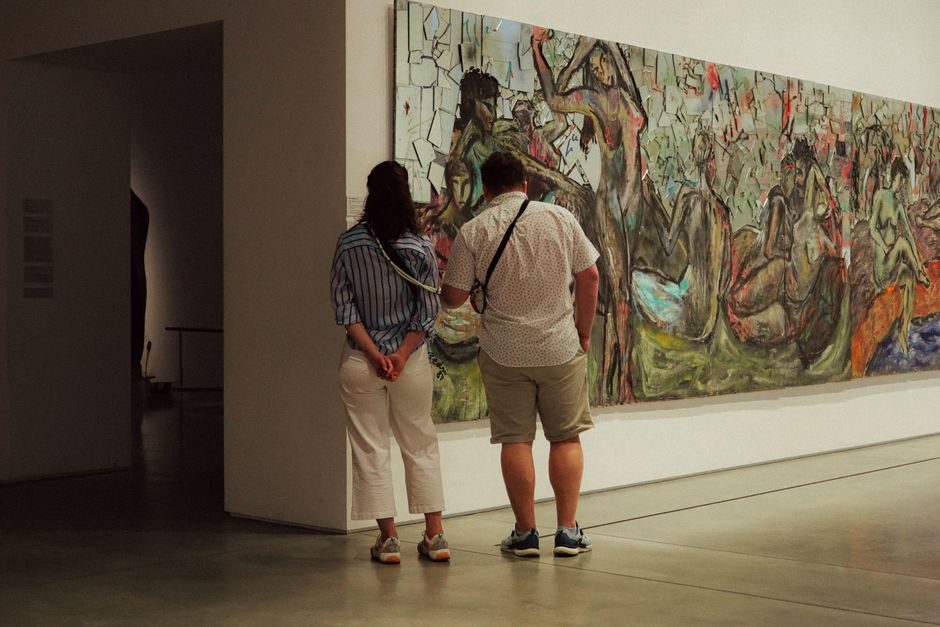
Respect for communities and histories
Approach ESPOO notices with sensitivity to local histories and cultural contexts. When possible, acknowledge the communities connected to events described in notices and consider how your art practice intersects with those stories. This awareness helps prevent misrepresentation and fosters thoughtful engagement. Espoo yrityshakemisto
- Identify at least two local perspectives related to the notice topic.
- Explain how you will present sensitive material with context.
- Outline a plan for ongoing audience education and feedback.
In practice, examine how the notice might affect residents or audiences. If you’re displaying archival materials or memorial items, provide context and avoid sensationalism. Invite feedback from local curators or cultural historians to refine your approach.
When uncertain, pause to consult a diverse group of stakeholders and document decisions. Ethical sometimes means choosing to delay publication until you can present a more accurate, inclusive perspective.
- Consult local archives for context
- Seek diverse perspectives
- Avoid sensational phrasing
- Provide clear attribution
- Respect privacy when needed
Digital tools and archival access
Accessing Espoo archive resources
Archival access often requires understanding catalogue terms and jurisdiction boundaries. Start with the city’s official archives and local museum portals to locate notices and related materials. Cross-check dates, translations, and provenance to ensure accuracy. vuokrattavat huoneet Espoossa
- Define a clear search strategy for Espoo notices.
- Record source metadata and rights status.
- Store a reproducible citation trail.
Digital records may have gaps; plan to corroborate with physical holdings when possible. Note any access restrictions or usage rights before incorporating items into a project.
Create a simple workflow for sourcing notices: search, verify, contextualize, and cite. This keeps your project reproducible and trustworthy.
- Search city archives
- Verify provenance
- Record usage rights
- Cite sources
- Cross-check translations
Rethinking space and audience
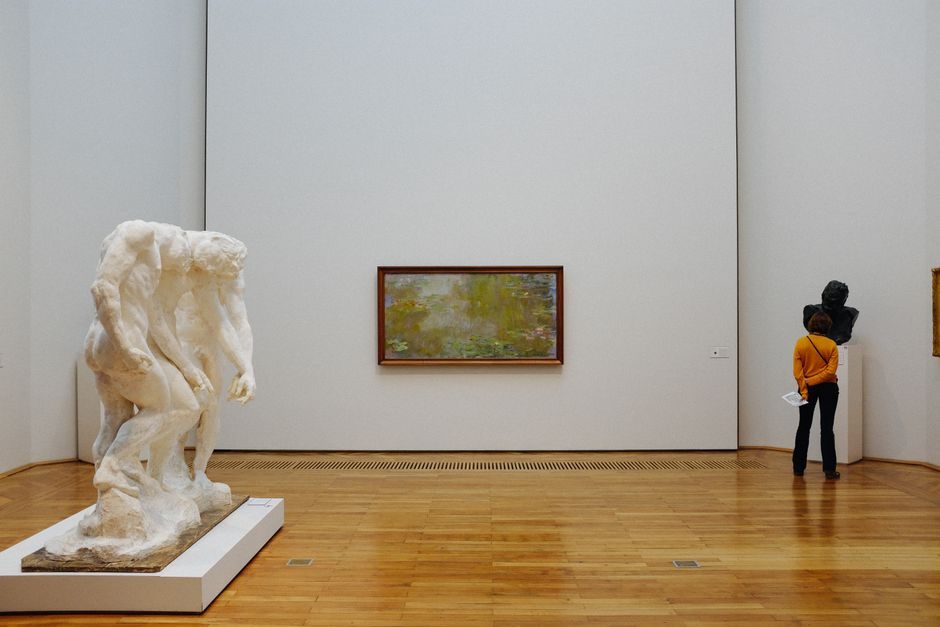
Adaptive display concepts
Design display ideas that scale for different venues, from small studios to public galleries. Consider lighting, text size, and accessibility so notices read clearly to diverse visitors. A flexible setup makes space for both quiet study and lively discussion.
Test displays with a sample audience and collect feedback on legibility and tone. Use modular panels that can be rearranged as the exhibit evolves. Be prepared to adjust based on real-world interaction.
Document how people engage with the notices and what resonates. This record informs future installations and helps you tailor content for varied audiences.
- Use modular panels
- Prioritize accessibility
- Gather audience feedback
- Document engagement patterns
- Iterate based on responses
Long-term engagement strategies
Sustained conversations with audiences
Move beyond a single display by creating ongoing programs around Espoo notices. Host conversations, workshops, or artist talks that unpack the material in depth. A steady schedule gives audiences reasons to return.
- ☐ Set a quarterly program calendar.
- ☐ Add new notices with context updates.
- ☐ Encourage community contributions and responses.
Develop a resource hub with reading lists, glossaries, and contextual essays so readers can explore at their own pace. Update it as new notices emerge to keep the content fresh.
Track impact over time by noting recurring questions, interests, and contributions from the community. This helps you refine future installments and fosters a living dialogue.
- Plan recurring events
- Create an online resource hub
- Monitor audience questions
- Adjust programs over time
- Invite community contributors
Frequently asked questions
What is the scope of Espoo notices relevant to art projects?Espoo notices can include public proclamations, memorials, and event notices that relate to cultural life. When integrating them into art projects, focus on context, accessibility, and respectful presentation. If a notice involves private individuals or sensitive topics, align with venue policies and local guidelines.
How do I gain permission to reuse notice materials?Begin with the hosting venue or city archives to understand usage rights. Document permissions, specify intended uses, and credit sources clearly. When in doubt, seek written confirmation and avoid using restricted items in commercial contexts.
What if the notice contains sensitive or traumatic topics?Provide contextual notes and offer opt-out options for visitors. Include resources for support if needed and frame materials to encourage reflective, not sensational, engagement. Consult community representatives during planning.
How can I measure audience engagement over time?Track attendance at programs, collect brief feedback, and note which aspects spark dialogue. Compare early responses with later iterations to see what resonates. Use these insights to adjust future displays and reading materials.
Conclusion
The guide emphasizes responsible sourcing, audience-centered design, and ongoing dialogue around Espoo notices in art contexts. Start by mapping available resources, then build adaptable displays that invite critical thinking and participation.
Next steps involve establishing a local advisory group, documenting decisions, and launching a small pilot show to test concepts in a real setting. Keep a running log of audience feedback and update accompanying materials to reflect evolving understandings of the notices.
Add Decoration & Art News Decoration & Art as a preferred source on Google


